When choosing a vent for a van roof, the goal is reliable airflow, weather resistance, and easy installation. The top picks below cover manual and powered options, including rain sensors and remote controls. They’re suited for camper vans, small RVs, and cargo vans where compact, efficient ventilation matters. Each product is evaluated for who it’s best for, why it’s selected, and a practical limitation to consider. Use this guide to compare 14″ x 14″ roof vents that fit common openings and keep interiors comfortable during hot days or damp nights.
Buyer’s quick-reference table
| Product | Best For | Key Point |
|---|---|---|
| Livpow RV or Trailer Roof Vent | Budget-friendly, straightforward replacement | Leak-resistant, 14″ x 14″ opening |
| RVLOVENT 14×14 Roof Vent Fan | Remote control lovers, rain-sensor users | 1000 CFM, remote and rain sensor |
| GDDGHS 14″ RV Roof Vent | Universal fit, solid airflow | 12V motor, 6-blade design |
| caqeg 14″ RV Roof Vent | All-around replacement with garnish options | 1/4″ to 2-1/4″ thickness compatibility |
| OUTPRIZE 12V RV Roof Vent | Velvet-simple manual operation | 3-speed, fits up to 14-1/2″ openings |
Livpow RV Or Trailer Roof Vent — Manual 14″ x 14″

Features: Replaces Ventline, Jensen, and Elixir vents; fits standard 14″ x 14″ openings; thick roof compatibility from 1-1/4″ to 2-1/4″; one-piece seamless frame is leak resistant and weather tight; translucent white lid lets some light through.
Best for: Van owners seeking a cost-effective, straightforward vent replacement with proven compatibility for common 14×14 openings. Good for DIY installations where a simple, leak-resistant frame matters most.
Why selected: The Livpow vent emphasizes compatibility with standard openings and a weather-tight design, reducing installation complexity for budget-minded travelers.
Caution: It’s a manual vent; lacks built-in rain sensing or remote control, so use in predictable climates or plan for manual operation during rain.
RVLOVENT 14×14 Roof Vent Fan — 10-Speed With Remote & Rain Sensor
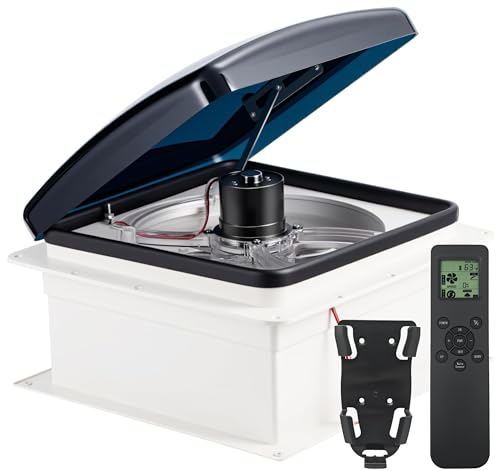
Features: Includes an extra frame for replacement; 10-speed remote control and smart rain sensor; UV-resistant PC cover; 1000 CFM max airflow.
Best for: Van dwellers who want maximum airflow with convenient control, rain protection, and quick replacement options. Ideal for vans used in hot climates or high humidity where rapid air exchange matters.
Why selected: The high CFM and rain-sensor capability balance strong performance with interior protection, making it a versatile choice for frequent travelers.
Caution: Higher airflow can increase noise; pairing with sound-dampening considerations may help on longer drives.
GDDGHS 14 Inch RV Vent Fan — 12V With 6-Blades

Features: Universal 14″ x 14″ fit; 12V motor; designed for efficient ventilation in bathrooms and campers; 6-blade configuration for improved airflow.
Best for: Vans needing a dependable, universal-fit vent with solid airflow and no bundled electronics complexity. A practical choice when a simple replacement with good airflow is required.
Why selected: A straightforward, robust design focusing on steady airflow without advanced electronics, aiding long-term reliability.
Caution: Lacks built-in rain sensor or remote; may require manual operation during rain or weather events.
caqeg 14″ RV Roof Vent — White Lid, 12V, 6″ Blades
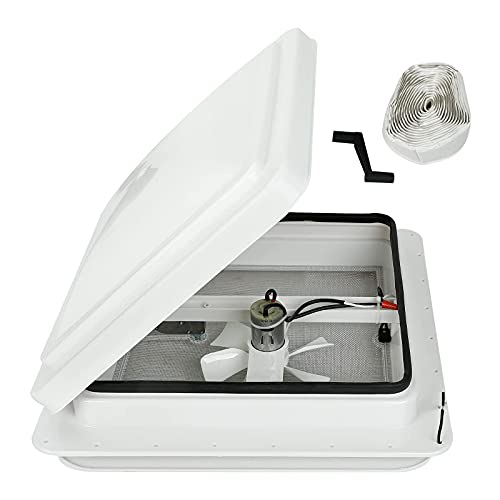
Features: 14″ x 14″ size; fits roofs 1-1/4″ to 2-1/4″ thick; manual operation; includes garnishing options; all-weather design with reversible fan support.
Best for: Vans where the install involves varying roof thickness or when garnish customization is desired. Suitable for DIY installations that require precise rough openings.
Why selected: Its thickness compatibility and garnish options help tailor fitment to non-standard van roof builds, reducing the need for extra trim work.
Caution: Manual crank-only design means less convenience in remote or hard-to-reach installations.
OUTPRIZE RV Roof Vent Fan — 12V, 3-Speed, Manual
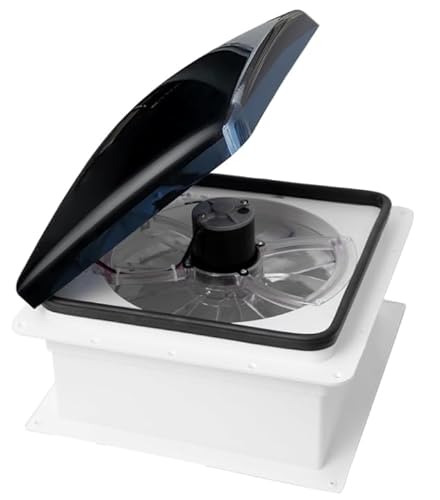
Features: 14×14″ standard size; fits 14″ openings and up to 14-1/2″ with trimming; 1.9–7″ thick roofs (garnish may need trimming); manual control with two extra fuses; 3 speeds for air in/out.
Best for: Vans where a trusted, budget-conscious manual vent is sufficient, and retrofit flexibility is needed for thicker roofs. Good for temporary setups or where power control isn’t a priority.
Why selected: The manual design and adjustable thickness support provide a practical, cost-effective option for varied van builds.
Caution: Trim work may be required on thicker roofs, and manual operation isn’t ideal for all layouts or remote accessibility.
Buying Guide: Key Considerations For Van Roof Vents
What size should I choose? Most van roof openings use 14″ x 14″ vents. Verify your rough opening and garnish thickness to ensure a proper seal. If your roof thickness falls outside typical ranges, look for models that advertise wider thickness compatibility.
Manual vs. powered ventilation: Manual vents are simple, affordable, and dependable if you can reach the vent. Powered vents with remotes or rain sensors offer hands-off operation and faster relief from heat or humidity, at the cost of complexity and, often, higher price.
Airflow (CFM) and noise: A higher CFM moves air faster, which is beneficial in hot climates but can increase noise. For bedroom or bathroom areas in vans, balance airflow with noise considerations. Look for models with efficient motors and, if possible, noise-reduction features.
Rain protection: Rain sensors or rain-tight lids help prevent interior leaks when unexpected showers occur. If you frequently drive through variable weather, these features can be valuable.
Durability and installability: UV-resistant housings and durable PC covers resist sun exposure. Ensure mounting hardware and wiring are appropriate for 12V DC operation and that there is a straightforward method for enclosure sealing to prevent leaks.
Replacement and maintenance: Some products include extra frames or replacement parts, which can simplify maintenance and reduce downtime after damage or heavy use. Consider kits that support easy field servicing.
What to avoid or watch for
- Avoid models with incompatible thickness or nonstandard openings unless you plan to trim or customize significantly.
- Be mindful of wind noise and fan speed in confined van spaces; pick a balance that fits your comfort level.
- Check whether the vent requires any electrical work beyond basic 12V wiring; simpler installations save time on the road.
FAQ
- Q: Do I need a rain sensor for a van roof vent?
A: It’s helpful if you frequently encounter sudden rain. A rain sensor automatically closes the vent to protect interiors, reducing the risk of leaks. - Q: Is 1000 CFM necessary for a small van?
A: It depends on space and climate. For compact vans, 600–1000 CFM provides strong ventilation without excessive noise in many scenarios. - Q: Are manual vents cheaper to install?
A: Yes. Manual vents typically have simpler wiring and no remote or sensor components, making installation faster and cheaper. - Q: Will these vents fit non-standard openings?
A: Some vents advertise universal or adjustable thickness compatibility. Confirm opening dimensions and thickness range before buying. - Q: Should I buy a vent with a remote?
A: If you want convenient operation while cooking or sleeping, a remote or smart control is beneficial. Otherwise, a manual vent may suffice. - Q: How important is the garnish or trim for installation?
A: Garnish and trim affect final fit and weather sealing. Choose a model with garnish options if your roof isn’t a perfect match.