Finding the right switch-to-starter battery cables ensures reliable starting and clean power transfer for automotive, marine, and RV needs. This guide highlights five top options, explaining who each is best for and why. Whether you’re upgrading an old system, building a starter-switch path, or replacing worn cables, these picks offer solid conductivity, durable insulation, and corrosion resistance. Ideal buyers include car enthusiasts, DIY mechanics, boaters, and truck owners who value longevity and performance in demanding environments.
| Product | |||
|---|---|---|---|
| TOPDC 4 AWG Battery Cable | 4 AWG, 24 Inches | Car, Truck, RV | Pure copper, durable insulation, heat shrink ends for moisture and abrasion resistance. |
| Letivay 1FT 4 AWG Battery Cables | 4 AWG, 1 ft | Short runs, tight spaces | Tinned-copper lugs resist corrosion; good conductivity in compact layouts. |
| Nilight 6 AWG 20 Inch Cables | 6 AWG, 20 Inches each | Dual cable pairs for inverters | Tin-plated terminals, flexible PVC insulation, rugged for vehicles and marine use. |
| CARTMAN 4AWG 24-Inch Cables | 4 AWG, 24 Inches | Large vehicles, solar setups | Zinc-plated copper lugs, robust stamping to reduce resistance. |
| Sherco-Auto 40″ 4 Gauge Cable | 4 AWG, 40 Inches | Engine-to-ground connections | Made in USA; long reach, compatible with up to 3/8″ studs. |
TOPDC 4 AWG Battery Cable – 24 Inch

Product overview: 4 AWG pure copper battery cables with 3/8″ ring terminals, 2 ft (24 inches) long. Engineered for automotive electrical paths including car batteries, starter motors for trucks, RVs, marine engines, ATVs, and motorcycles. Conductivity is a core benefit due to pure copper construction, reducing power loss and extending equipment life. The flexible PVC insulation jacket supports abrasion resistance, while heat shrink ends seal the cable to resist moisture, flame, and temperature fluctuations. Best for longer runs where high current is essential and space allows for standard 3/8″ lug terminals.
Who this is best for: DIY enthusiasts replacing starter and main power cables, truck owners upgrading starter paths, and RV owners seeking durable, high-conductivity connectors. It is a solid pick when you need a reliable, durable option for heavier electrical needs and harsh environments. Choose this if you value straightforward installation and a robust seal against moisture and abrasion. Limitation: 24 inches may be too short for some under-hood runs; measure your route before ordering.
Letivay 1FT 4 AWG Battery Cables

Product overview: 4 AWG copper wires with 3/8″ lugs, 1 ft length. Lugs are tinned-copper to resist corrosion and extend service life. The copper wires offer high conductivity and efficient power transfer, minimizing voltage drop and startup delays. Lugs are specifically designed to fit 3/8″ and M10 terminals, broad compatibility with standard automotive and marine setups. The shorter length is versatile for tight engine bays and space-constrained configurations.
Who this is best for: Home mechanics working in compact spaces, or owners who need shorter, precise cable runs with corrosion-resistant lugs. Best for typical under-hood connections where a 1-foot length suffices. Caution: 1 ft may not cover all routing paths; confirm your routing length before purchasing for a perfect fit.
Nilight 6 AWG 20 Inch Battery Cables
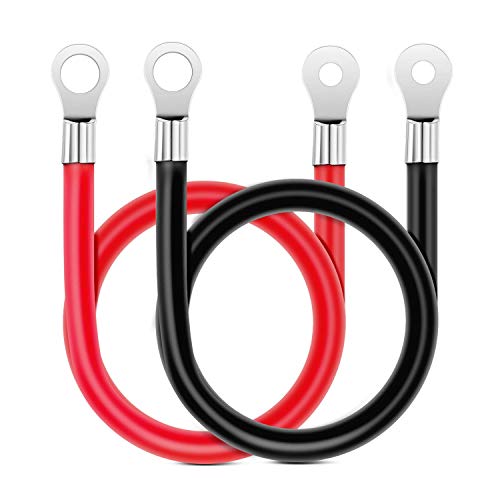
Product overview: A dual 20-inch set in red and black for positive and negative runs, both with 3/8″ lugs. This 6 AWG kit supports up to 59.9A operating current with tin-plated copper for enhanced oxidation resistance and longevity. The flexible PVC insulation provides abrasion resistance, moisture protection, flame retardancy, and heat insulation, making them suitable for automotive and marine environments. The parallel wire design supports organized dual-cable routing for inverter connections or dual-battery systems.
Who this is best for: Users implementing dual-battery or inverter setups who need a balanced, compact pair of cables. Better for smaller loads or shorter routes where 6 AWG offers adequate current capacity. Limitation: Slightly thicker insulation can make terminal fitment tighter in cramped engine bays; verify lug clearance before install.
CARTMAN 4AWG 24-Inch Cables
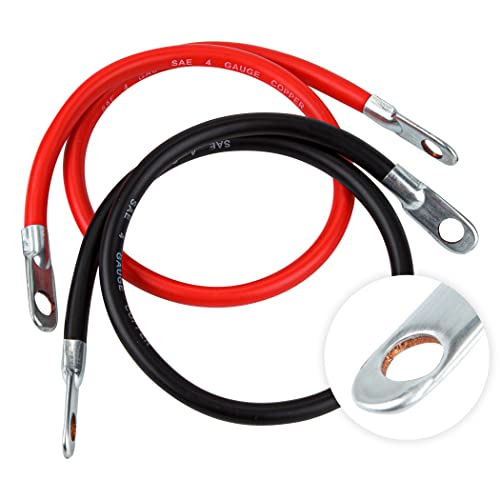
Product overview: 4 AWG copper wire with 24-inch length, designed for car, truck, RV, and solar applications. Features 3/8″ stamped copper lugs with zinc plating for corrosion resistance and durability, plus improved current handling due to a robust stamping process. The kit typically includes one positive and one negative cable, offering a straightforward upgrade path for starter and main power links. The emphasis is on better resistance management and long-term reliability in demanding environments.
Who this is best for: Users needing a reliable, medium-length cable pair for starter-to-battery connections in larger vehicles or solar rigs. Choose this if you want solid copper construction with corrosion-resistant lugs and a simple, plug-and-play option. Limitation: 24 inches may not cover extended routing; confirm path length before purchase.
Sherco-Auto USA Red 40″ 4 Gauge Cable
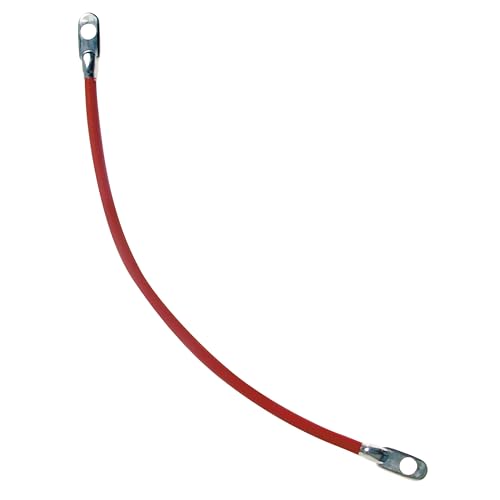
Product overview: Red 40-inch switch-to-starter battery cable designed for engine-to-ground connections. Made in the USA, enabling longer reach in engine compartments and compatibility with up to 3/8″ studs. The extended length helps route current from battery to starter or grounding points where space is more generous.
Who this is best for: Those who need an extended reach cable for large engine bays or boats where distance between battery and starter or ground points is significant. Better for longer runs; avoid if you need a compact, tight routing option. Limitation: 40 inches may be excessive for small cars or tight installations; verify routing before purchase.
Buying Guide: Choosing The Right Switch-To-Starter Cables
- What gauge do you need? Higher amperage demands may justify 4 AWG, while lighter loads can work with 6 AWG. Consider the longest run and potential voltage drop.
- Material quality matters. Pure copper generally offers lower resistance than copper-coated alternatives, supporting better conductivity and durability in harsh environments.
- Terminal hardware and corrosion resistance. Lugs should be tin-plated or zinc-coated and sized for standard 3/8″ studs. Heat-shrink insulation or PVC jackets add moisture and abrasion protection.
- Length and routing. Measure distance from battery to starter/ground points. Longer cables give flexibility but heavier cables can add weight and stiff routing.
- Environmental considerations. Marine and outdoor use benefit from moisture-proof, flame-retardant insulation. Consider UV exposure in exposed areas.
- Installation tips. Ensure clean contact surfaces, secure clamps, and correct polarity. Avoid routing near heat sources or moving parts where wear could occur.
Frequently Asked Questions
- What gauge should I choose for my starter cable? Answer: For most cars and light trucks, 4 AWG is common for starter-to-battery paths, while 6 AWG can be enough for shorter, lower-current runs. For longer routes or higher current demands, 2 or 1 AWG may be considered.
- Why are tin-plated lugs advantageous? Answer: Tin plating improves corrosion resistance and maintains conductivity over time in harsh environments.
- Do I need dual cables for an inverter? Answer: Yes, using a red positive and black negative pair simplifies routing and reduces the risk of cross-connection in inverter or dual-battery setups.
- Is length important? Answer: Yes. Too short cables can force awkward routing; too long cables add unnecessary weight and potential voltage drop. Always measure first.
- Can these cables be used outdoors? Answer: Many are designed with moisture resistance and flame retardancy, making them suitable for outdoor and marine environments when properly sealed.
- What should I avoid when installing? Answer: Avoid routing near vehicles’ heat sources, belts, or moving parts. Ensure clean lugs and proper tightening to prevent loosening under vibration.