If you’re stocking up on 3/8-inch fuel filters, you need options that reliably protect engines from dirt, rust, and metal shavings while fitting standard 3/8″ fuel lines. The following picks are best for common gasoline-powered equipment, including cars, tractors, motorcycles, and small industrial machines. This guide highlights clear advantages, ideal buyers, and practical cautions for each product.
| Product | Brand | Best For |
|---|---|---|
| Universal Replacement Gas Inline Fuel Filters (Pack of 4) | The Revenant | Best for bulk replacement and budget-friendly fuel line setups |
| WIX 33033 In-Line Fuel Filter | Wix | Best for reliable, gasket-integrated performance |
| FUEL FILTERS INDUSTRIAL HIGH PERFORMANCE (2 Pack) | Deflife | Best for heavy-use engines and mixed fleet inventories |
Universal Replacement Gas Inline Fuel Filters (Pack of 4)
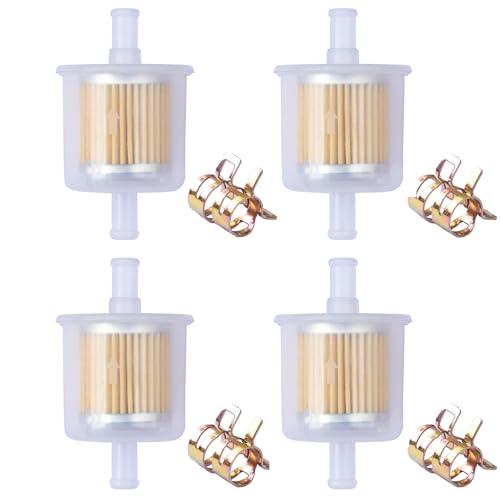
Best for: General use with 3/8″ ID fuel lines on small tractors, lawn mowers, snowmobiles, and generators. This pack is ideal for buyers who want a cost-effective, ready-to-install option with multiple filters for ongoing maintenance.
- 23
Why chosen: Thickened filter paper and a dense pleated design help reduce dust and moisture ingress. The 40-micron paper aims to capture metal particulates and protect engine internals, supporting stable operation. The design emphasizes a compact, simple inline fit for 3/8″ lines.
Caution: Some users may prefer filters with more explicit pressure ratings for high-performance or EFI systems. Ensure compatibility with your engine’s fuel system before use.
WIX 33033 Universal In-Line Fuel Filter

Best for: Everyday use in vehicles or equipment where reliability and gasket integrity matter. This filter is suitable for those who want a straightforward, dependable inline filter with integrated gaskets to minimize mis-installation.
Why chosen: Built-in gaskets help prevent gasket mis-installation and ensure a clean seal. The 60-PSI max pressure rating (as listed) aligns with typical non-FI applications, making this a solid choice for ordinary gasoline engines and older systems.
Caution: If your system operates above modest pressures or uses EFI components, verify pressure compatibility before selecting.
FUEL FILTERS INDUSTRIAL HIGH PERFORMANCE (2 Pack)

Best for: Heavy-use engines and fleets where durability and long-term filtration are priorities. Suitable for tractors, cars, trucks, motorcycles, and general gas-powered engines that demand robust filtration.
Why chosen: The product emphasizes high-quality materials and durable construction designed to withstand harsh conditions. It explicitly notes universal compatibility with a range of engines, making it a versatile option for mixed fleets.
Caution: This is a two-pack set; ensure you have adequate storage and rotation plans to maintain fuel cleanliness across multiple machines.
JAVOUKA 10 Pack 3/8″ Inline Fuel Filters

Best for: Buyers who need a large quantity of inline filters for commercial or fleet operations. The 10-pack is convenient for ongoing projects or environments where frequent filter changes are necessary.
Why chosen: The product advertises universal compatibility with 3/8″ fuel lines and multiple engine applications, including industrial tractors and RVs. The clear housing and orange inner filter help visualize filtration progress.
Caution: Some buyers may prefer a smaller pack for trial runs. Confirm the exact end fittings match your line hardware before purchasing in bulk.
K&N 81-0300 Replacement Fuel Filter
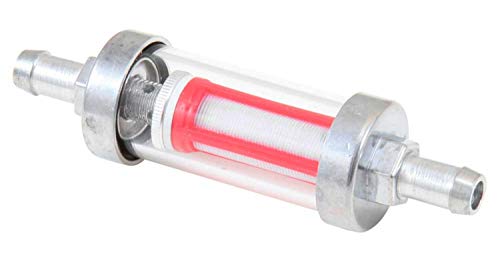
Best for: Non-FI applications where a replaceable inner element is advantageous and ease of installation is a priority. Suitable for owners who want a filter with replacement elements rather than a full unit.
Why chosen: The replaceable inner filter element design can lower long-term costs and facilitate easy maintenance for routine service cycles.
Caution: Verify compatibility with your specific engine’s fuel system. This filter is geared toward non-FI installations, so EFI setups may require different filtration solutions.
2 Pack 3/8″ Inline Gas Fuel Line Filters

Best for: Buyers seeking a compact, dual-pack option for multiple machines with 3/8″ lines. Good for small fleets or workshop sets where components are frequently swapped.
Why chosen: Clear housing and durable end caps emphasize visibility and secure connections for a straightforward install across various engines.
Caution: Ensure the 3/8″ fittings align with your hose adapters and clamps. Some users may need adaptors for nonstandard line diameters.
Buying Guide: 3/8-Inch Fuel Filter Considerations
- Filtration level: Look for micron rating consistent with your fuel quality and engine tolerance. Higher micron counts trap smaller particulates but may reduce flow in some systems.
- Construction and material: Aluminum or plastic housings offer corrosion resistance and visibility. Metal end caps can enhance durability for rugged environments.
- Compatibility: Verify that the filter’s barb size and fitment match your 3/8″ fuel lines and that it is suitable for gasoline-powered engines, including tractors, cars, motorcycles, and RVs.
- Pressure and flow: Most inline filters operate at modest pressures. Ensure the filter’s rated pressure aligns with your system’s operating conditions.
- Maintenance cadence: Packs and multi-filter offerings suit fleet or workshop scenarios. Consider replacement element availability if you prefer reusable elements.
- Installation notes: Some models include integrated gaskets or clear housings to facilitate correct installation and inspection.
- Visibility and diagnostics: Clear housings help detect sediment buildup early, making maintenance easier.
Frequently Asked Questions
- What does 3/8″ fuel filter mean? – It refers to the inner diameter of the fuel line the filter is designed to connect with, ensuring compatible sizing for inline installations.
- Are 3/8″ inline fuel filters universal? – Many are designed as universal inline filters for 3/8″ lines, but always verify inlet/outlet barb sizes and compatibility with your engine.
- Should I replace filters in bulk or individually? – Bulk packs are convenient for fleets or frequent maintenance; individual filters work well for single machines or small workshops.
- Will a filter with a higher micron filter out more contaminants? – Higher micron filtration captures finer particles, but it can affect flow rate; balance filtration needs with engine tolerance.
- Can I use a 3/8″ filter in EFI systems? – EFI systems often require specific filtration ratings and flow characteristics; confirm compatibility before use.
- How do I know if my fuel filter needs replacement? – Look for visible sediment in clear housings, reduced engine performance, or poor fuel flow. Regular maintenance schedules help prevent issues.