Answering your need to prime an engine’s oil system before startup, these primer pumps help establish oil pressure quickly and reduce wear during initial starts. They’re ideal for DIY backyard mechanics, rebuild projects, and professionals who prime engines before first start or after long storage. The top picks below are chosen for compatibility with common GM/Chevy engines, small- and big-block applications, and ease of use with standard drills or hand tools. Each option includes a clear purpose so you can choose based on your engine size, preferred power source, and setup needs.
Summary of chosen products:
| Product | Best For | Key Benefit |
|---|---|---|
| Allstar Performance Oil Pressure Primer Tank | Pro builds, professional garages | Integrated pressure gauge and safety cap |
| ReluxGo Oil Pump Primer Tool | Chevy small- and big-blocks | Drill-operated, wide compatibility |
| Melling Engine Oil Priming Tank | Complete priming setup | Solid tank with hoses/fittings |
| OEMTOOLS 27061 Hex Oil Pump Primer | Ford and other builds requiring hex drive | 4-in-1 drive compatibility with drills |
| DPTOOL Oil Pump Primer Tool | Versatile small-big block priming | Billet aluminum sleeve for reduced wobble |
Allstar Performance Oil Pressure Primer Tank ALL10535

The Allstar primer tank is a standalone priming system designed to pre-lubricate an engine’s oil passages before startup. Its features include a fill cap with a safety pressure release slot, a 90-inch steel braided hose for reach, and an integrated pressure gauge to monitor oil pressure during priming. This setup is best for installers who want a single, ready-to-use tank that provides a visible pressure readout and a safety mechanism. It’s well suited for professional shops or ambitious DIYers with larger engine builds where precise pressure monitoring matters.
Who it’s best for: This primer tank suits pro shops and serious enthusiasts who need a reliable, easy-to-monitor priming solution for high-capacity engines. It’s a good fit when you want to avoid guesswork and confirm oil pressure as you prime. The safety release feature helps minimize risk during pressurization.
Limitations to note: The unit relies on an external power source for priming (as a tank system) and may require a compatible mounting setup. Ensure you have adequate space and a drill-driven workflow for efficient use if you’re integrating it into a bench build.
ReluxGo Oil Pump Primer Tool

The ReluxGo primer tool is designed for Chevy small- and big-block engines, including popular V8 and V6 configurations. It uses a primer rod that is guided through the distributor shaft hole to seal the oil galley while the collar centers and covers the hole. The system is intended to be spun with a standard power drill to prime the oil pump, push oil through passages, and deliver lubricant to the camshaft, rockers, and valvetrain. It’s a practical choice for DIYers who want a drill-powered priming workflow with broad compatibility.
Who it’s best for: Choose this if you’re working on Chevy SB/BB engines and want a drill-driven solution that’s straightforward to use with common hand tools. The wide engine compatibility makes it a flexible option for mixed builds.
Limitations to note: It requires a compatible drill and a firm hand when guiding the rod. Users should verify the exact engine bore and distributor geometry to ensure a proper seal and alignment before priming.
Melling Engine Oil Priming Tank

The Melling priming tank provides a complete priming kit with a stainless, natural-finish tank and included hoses and fittings. While the product listing emphasizes the kit’s physical attributes, it serves as a reliable base for priming oil systems during engine rebuilds. The kit’s dimension and weight details support planning for installation in standard shop spaces, and the stainless construction offers durability for repeated use in a professional setting.
Who it’s best for: This option is well-suited for workshops or detailed rebuilds where a complete priming tank setup with hoses and fittings is preferred. It provides a solid foundation for consistent priming workflows without sourcing separate components.
Limitations to note: Specifications emphasize dimensions and weight; buyers should confirm compatibility with their specific engine layout and hose routing needs before purchase.
OEMTOOLS 27061 Hex Oil Pump Primer

The OEMTOOLS hex primer is designed for use with 1/4 inch hex drives and connects to the oil pump shaft through the distributor hole on Ford engine builds. It’s specifically targeted for applications requiring a 3/8 inch drill drive, enabling the primer to spin the oil pump to build initial oil pressure. This tool is practical for Ford builds as well as other engines that accommodate the hex drive in the distributor area, offering a straightforward, drill-driven priming method.
Who it’s best for: Choose this when your rebuild workflow uses a hex-driven primer and you need a tool that directly interfaces with the distributor shaft. It’s a solid fit for Ford-based builds and other engines compatible with the 1/4 inch hex drive approach.
Limitations to note: The primer is designed for specific drive configurations. Verify your engine’s distributor geometry and drive shaft size before purchasing to avoid fitment issues.
DPTOOL Oil Pump Primer Tool
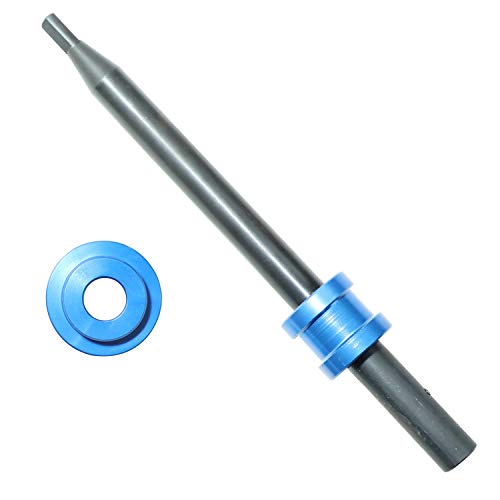
The DPTOOL primer tool is designed to spin the oil pump using a drill and guide the lubrication to the upper engine areas before startup. It fits various small and big-block engines with a special billet aluminum sleeve that positions the shaft accurately and minimizes wobble. This precision feature improves priming consistency and reduces the risk of misalignment during operation.
Who it’s best for: This tool is a strong choice for mixed-block builds where precision shaft alignment matters. The billet sleeve design helps prevent wobble, making it a reliable option for engines with tight tolerances or complex priming routes.
Limitations to note: The description highlights a billet aluminum sleeve; buyers should ensure compatible drill sizes and shaft geometry for their engine family to avoid fit issues.
Buying Guide: Engine Oil Pump Primers — Key Considerations
- Drill-powered vs. tank-based systems: Drill-powered primers are quick to use and portable, while tank-based options provide integrated oil handling and may include gauges for monitoring pressure.
- Engine compatibility: Ensure the primer is suitable for your engine family (GM/Chevy small- or big-blocks, LS engines, Ford setups, etc.). Check distributor hole location and drive shaft compatibility.
- Drive configuration: Look for hex drives, distributor-based priming, or universal adapters. Confirm your drill’s chuck size and speed capabilities.
- Pressure guidance: A clear pressure readout or gauge helps confirm that oil passages are filled without risking too much pressure in the galley. Safety features are a plus.
- Durability and materials: Stainless or aluminum tanks and robust hoses reduce wear. Braided hoses improve reach and flexibility for complex engine bays.
- Included fittings and hoses: Kits with hoses, clamps, and fittings reduce the need for extra shopping. Confirm hose lengths fit your workspace.
Practical Tips for Use
- Follow the engine builder’s manual for the correct priming sequence and rotation direction.
- Warm engines before priming to improve oil flow, especially with high-mileage units or engines stored for extended periods.
- Inspect all hoses for cracks and ensure clamps are snug to prevent leaks during priming.
- Keep a clean work area to avoid introducing debris into the oil passages during priming.
Frequently Asked Questions
- What is the main purpose of an oil pump primer?
– To pressurize the engine’s oil passages before starting, reducing initial wear and ensuring proper lubrication on startup. - Can I use any drill with a drill-driven primer?
– Most primers are designed to work with standard drills, but verify chuck size and drive compatibility as outlined by the product. - Do primer tools work for all engine types?
– They work best when matched to the engine family (GM/Chevy, Ford, etc.) and the distributor or pump drive configuration. - Is a tank-based primer safer than a drill-driven one?
– Tank-based systems provide integrated control and monitoring, which can reduce guesswork but may require more setup space. - What safety features should I look for?
– Look for pressure release features, sturdy fittings, and durable hoses to minimize leaks and over-pressurization. - When should I prime an engine after a long storage?
– Prime before the initial startup after storage or rebuild to ensure oil reaches critical components and reduces wear.