Answering the question of which tubeless 29er tires perform best on modern mountain bikes, this guide highlights five top options suited for different riding styles. Each tire is evaluated for grip, durability, and compatibility with tubeless setups. This overview helps riders choose based on terrain, riding goals, and risk tolerance. The buyer can expect clear, comparison-friendly language to aid quick decision-making.
Overview at a glance (selected products):
| Product | Wheel Compatibility | Best For |
|---|---|---|
| Continental Cross King | 29″ MTB | Versatile trail and competitive riding |
| Maxxis Minion DHF | 29″ MTB | Aggressive cornering and mixed terrain |
| Maxxis Aggressor | 29″ MTB | Rear-specific trail and enduro riding |
| Two-Pack Foldable 29er / 26/27.5 Tire Pair | 29″ MTB | Budget-minded riders with tubeless setup needs |
| Two-Pack Mountain Bike Tires 2.10″ | 26/27.5/29 | Value-focused all-round mountain biking |
Continental Cross King Tubeless Mountain Tire

The Cross King is described as a versatile competition and trail tire with sure-footed handling in turns. This model emphasizes comfort and smooth rolling, adapting to varied terrain while maintaining grip. It uses PureGrip Compound, derived from activated silica, to deliver grip and durability. Best for riders seeking a balanced tire for mixed terrain and competitive riding with reliable cornering. Be aware that reliance on silica-based compounds may influence long-term wear patterns at high temps.
Maxxis Minion DHF Tubeless Ready

The Minion DHF combines a fast-rolling center with grippy side knobs, designed to balance speed with braking and cornering traction. Dual compound construction is used to optimize rolling resistance and grip, while the EXO sidewall offers abrasion resistance. Best for aggressive trail riding on 29″ wheels where predictable behavior and control are priorities. A potential limitation is that aggressive compounds can wear faster on urban or mixed-surface routes.
Maxxis Aggressor Dual Compound EXO Rear Tire
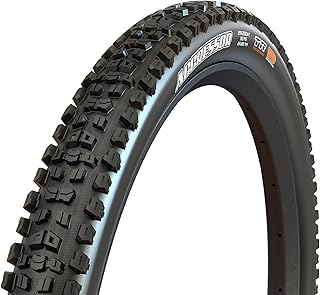
The Aggressor is a rear-specific trail tire with a fast-rolling center tread and grippy cornering knobs. It uses dual compound technology for speed, traction, and control, and EXO protection for sidewall durability. Best for riders seeking a high-performance rear tire that pairs well with front DHF or Assegai front tires on 29″ bikes. Limitation includes potential over-traction feel on very slick surfaces in some conditions.
Foldable 29er Mountain Bike Tire Pair (2-Pack)
This 2-pack offers a value-focused option for riders building a tubeless setup or refreshing a pair. Suitable for riders who want multiple tires for changing conditions or backups. Best for budget-conscious buyers who still want tubeless readiness. Caution: verify tire width and compatibility with your specific wheelset before ordering to avoid fit issues.
Foldable 29×2.10 Mountain Tire, 29er Pair

These 26/27.5/29×2.10 tires are marketed as strong grip, wear-resistant, and foldable with a Kevlar layer. Best for riders who want a versatile pair that can cover multiple wheel sizes and riding styles. Caution: the coating and construction may vary between batches, so confirm material details before purchase.
Buying Guide
What matters most for tubeless 29er tires?
Compatibility with tubeless rims and sealant is essential. Look for tubeless-ready labeling, bead design, and sidewall protection. Prioritize tread pattern that matches your terrain—slick center for speed on dry trails, grippy side knobs for cornering in looser soil, or a balanced pattern for mixed conditions.
How do tread patterns affect performance?
Fast-rolling centers improve speed and efficiency on hard-packed trails, while aggressive side knobs improve grip on loose terrain and in corners. Dual compound tires balance rolling resistance with traction, but may wear differently depending on riding style and terrain.
What is the role of sidewall protection (EXO, Kevlar, etc.)?
A sidewall protection layer helps resist cuts, punctures, and abrasions when riding rough singletrack or rocky surfaces. It adds weight and stiffness, which can influence ride feel and weight transfer.
How important is front-to-rear tire pairing?
Pair front and rear tires to balance handling. Front tires should prioritize grip and steering precision, while rear tires can emphasize traction and stability. Common practice is to use a more aggressive front and a stable rear for aggressive trails.
What should I consider for tire width on 29er wheels?
Wider tires typically offer more traction and compliance, especially on rough terrain. Ensure your frame and fork have enough clearance for the chosen width, and check rim width compatibility for tubeless setup.
How do I assess durability and wear?
Look for materials like silica-based compounds, dual compounds, and sidewall protection. Higher-end compounds may offer better grip but can wear differently with heat and terrain. Real-world wear depends on terrain, pressure, and sealing success of the tubeless setup.
FAQ
- Q: Are tubeless 29er tires worth it for beginners?
- A: Tubeless setups reduce flats and allow lower pressures for better traction, which can help new riders gain confidence on technical trails.
- Q: Can I mix front and rear tires?
- A: Yes, but choose front and rear tires with compatible tread patterns and compound for balanced handling.
- Q: How do I install tubeless tires on 29er wheels?
- A: Use tubeless-ready rims, sealant, and a compatible compressor or pump to seat the bead. Follow manufacturer instructions for best results.
- Q: Do dual compounds wear faster?
- A: Dual compounds optimize grip and rolling resistance, but wear rate depends on terrain and riding style.
- Q: Should I prioritize front tire grip over rear?
- A: The front tire should emphasize grip and steering control, while the rear should emphasize traction and stability.