Answering the question: which anti-siphon valve best protects a boat’s fuel system? This guide highlights top marine anti-siphon valve options, explains who each product is best for, and compares key features to help you choose confidently. Ideal for boaters seeking theft prevention, spill protection, or reliable tank-to-engine fuel flow. The following selections emphasize USCG-ready designs, corrosion resistance, and compatibility with standard 1/4″ NPT and 3/8″ hose fittings.
Summary table of selected products:
| Product | Best For | Fit | Key Benefit |
|---|---|---|---|
| Seachoice Anti-Siphon Valve, 1/4 in. NPT, 3/8 in. Hose, Aluminum | Theft prevention and spill protection for smaller boats | 1/4″ NPT, 3/8″ hose | Corrosion-resistant aluminum; USCG compliant |
| Attwood 88FAS014-6 Anti-Siphon Valve | Direct OEM replacement on older vessels | 1/4″ NPT x 3/8″ barb | Dependable fuel line connection |
| Moeller 033807-10 Anti-Siphon Valve | Brass alternative with strong durability | 3/8″ barb, 1/4″ NPT | Compact, hose-barb design with anti-siphon protection |
| OEM OMC Johnson/Evinrude 173273 Anti-Siphon Valve | Johnson/Evinrude systems and compatible engines | 5/16″ fittings | Original equipment compatibility |
| Ahuliao Anti Siphon Valve, 1/4″ NPT, 3/8″ I.D. | Affordable aluminum option with solid compatibility | 1/4″ NPT, 3/8″ hose | Durable aluminum, prevents siphon and leakage |
Seachoice Anti-Siphon Valve, 1/4 in. NPT
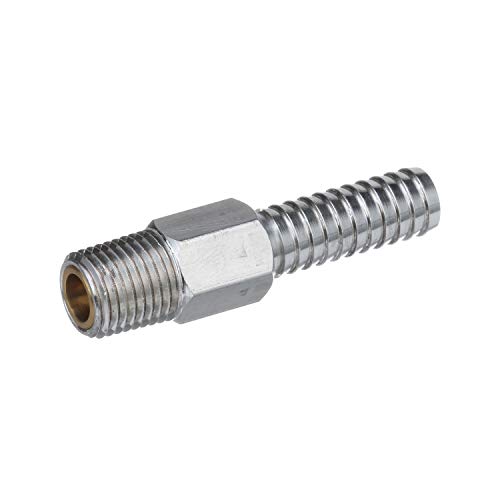
The Seachoice valve uses a corrosion-resistant aluminum body and a one-way design to prevent fuel theft and spillage. It is sized for 1/4″ NPT and 3/8″ hose connections, aligning with common marine tank fittings. This option is best for recreational boats and small-to-mid-size vessels seeking straightforward installation and regulatory compliance.
Who it’s best for: boaters prioritizing simple retrofit on standard fuel lines without special fittings. Why selected: strong corrosion resistance, compliant with USCG expectations, and clear, one-way operation. Caution: ensure hose barb compatibility with your existing hose diameter to avoid leaks at the junction.
Attwood 88FAS014-6 Anti-Siphon Valve
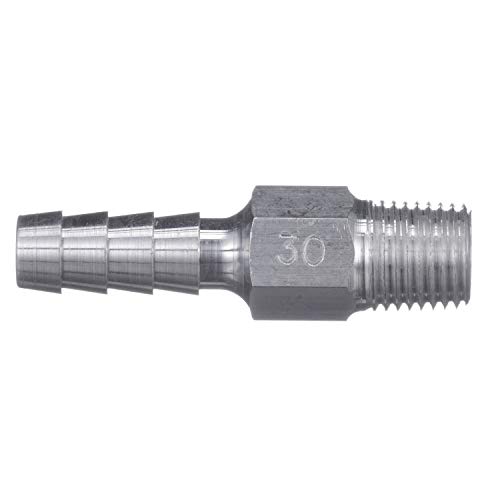
Attwood’s model is a dependable OEM-style option designed for aluminum fuel systems with a ¼-in. NPT thread and ⅜-in. barb sizing. It provides a secure connection and anti-siphon protection that aligns with standard marine fuel fittings. This makes it suitable for older vessels or those upgrading from a non-anti-siphon configuration.
Who it’s best for: boat owners seeking a trustworthy replacement that mirrors original equipment. Why selected: reliable fit and straightforward installation. Caution: verify current engine and fuel-tank connections to ensure compatibility with your plumbing layout.
Moeller 033807-10 Anti-Siphon Valve

The Moeller valve features a brass body with 3/8″ barb and 1/4″ NPT threads, combining durability with a compact footprint. It provides anti-siphon protection and is designed for permanent tank installations where a forward-flow valve is placed near the tank outlet. This is well-suited for deeper tanks and installations requiring robust materials.
Who it’s best for: boats with heavier-duty fuel systems or permanent installations. Why selected: brass construction offers longevity in harsh marine environments. Caution: brass components may require careful torque during installation to avoid leakage at thread joints.
OEM OMC Johnson Evinrude 173273 Anti-Siphon Valve

This OEM-style valve fits Johnson/Evinrude configurations and uses a 5/16″ connection style. It is designed to fit specific engine systems and fuel tanks common on Evinrude/Johnson boats. It’s best for owners seeking direct compatibility with factory parts.
Who it’s best for: Evinrude/Johnson engine owners performing OEM-equivalent maintenance. Why selected: designed to align with original components. Caution: verify the exact mounting and thread size on your tank to avoid mismatches.
Ahuliao Anti Siphon Valve, 1/4″ NPT

Ahuliao offers a budget-friendly aluminum anti-siphon valve with 1/4″ NPT threads and 3/8″ hose compatibility. It emphasizes a durable aluminum body and a one-way design to prevent siphoning and leaks. This option suits buyers who want a practical upgrade without high costs.
Who it’s best for: budget-conscious boaters who still need reliable anti-siphon protection. Why selected: solid construction, straightforward fit, and compatibility with standard fittings. Caution: check for any variances in hose ID/OD to ensure a snug seal at the hose connection.
Buying Guide
What matters most when choosing a marine anti-siphon valve?
- Fit and compatibility: Confirm the thread size (1/4″ NPT) and hose barb size (3/8″) to match your fuel tank pickup and engine line.
- Material durability: Aluminum offers corrosion resistance; brass can add strength in high-stress areas but may require careful torqueing.
- Installation location: Some valves are rated for tank-top mounting, others for outlet or pickup locations. Choose based on your tank layout and line routing.
- Regulatory alignment: Look for models that meet USCG regulations or common marine standards to ensure compliance.
- OEM compatibility: If your vessel uses original equipment from a specific brand, consider OEM or brand-matched valves to minimize fit issues.
- Maintenance and accessibility: Favor designs with straightforward serviceability and visible flow direction to simplify checks.
Practical questions to guide your choice
- Is theft prevention a priority, or is spill prevention the main goal?
- Do you need a valve that mirrors an existing OEM part for a vessel’s resale or warranty?
- Will the installation be near a metal tank, requiring corrosion-resistant materials?
- Which hose ID/OD and thread size are currently used in your fuel system?
- Are you commissioning retrofits on an older boat or outfitting a new build?
Installation considerations
Follow manufacturer torque recommendations and use proper seals to prevent leaks. Ensure the valve is oriented to allow fuel flow toward the engine while preventing siphoning if a hose fails. Keep the assembly dry during installation and inspect connections after first operation for signs of leakage.
Safety and maintenance reminders
Regularly inspect anti-siphon valves for corrosion, gasket wear, and hose integrity. Replace any valve showing signs of cracking or loosening fittings. Do not exceed the hose’s rated pressure or seating depth for the chosen valve size.
Summary of key differences
- Seachoice: aluminum, USCG-compliant, easy retrofit for many boats.
- Attwood: OEM-friendly, reliable for older vessels with 1/4″ NPT to 3/8″ barb.
- Moeller: brass option with compact form factor and strong anti-siphon performance.
- OEM Evinrude: best for Johnson/Evinrude systems requiring exact compatibility.
- Ahuliao: budget-friendly aluminum with solid general compatibility.
Frequently asked questions
- What is the primary function of a marine anti-siphon valve?
They prevent fuel from siphoning out of the tank, protecting against theft and accidental spills while allowing fuel to flow toward the engine. - Which materials are common for these valves?
Aluminum and brass are most common due to corrosion resistance and durability in marine environments. - Do I need USCG compliance?
Yes, many installations benefit from valves that meet USCG regulations or general marine standards for safety and legality. - How do I choose the right size?
Match the valve to your existing fittings: 1/4″ NPT threads and 3/8″ hose are typical for many boats, but verify your tank and engine connections. - Can I reuse a valve from an OEM system?
If it matches your tank fittings and engine connections, OEM-compatible valves can simplify installation and resale compatibility.