The best drop pitman arms for an 8 inch lift address steering geometry, improve wheel alignment, and reduce bump steer. This guide focuses on top options that fit 8″ lifts and are suitable for many full-size trucks, Jeeps, and 4×4 SUVs. It highlights who each product is best for, and why this choice matters for steering effort and ride quality. The buyer can compare compatibility, installation considerations, and practical limitations at a glance.
| Product | Lift Range | Vehicle Fit | Why It Stands Out |
|---|---|---|---|
| Skyjacker FA600 Pitman Arm | 6″ – 8″ Lift | Universal for lifted trucks | Good all-around option for moderate to tall lifts |
| Skyjacker FA699 Pitman Arm | 8″ Lift | Vehicles with 8″ lifts | Specifically tuned for 8″ configurations |
| Rugged Ridge 18006.54 | 4-8″ Lift | Jeep Cherokee XJ 1984-2001 | Direct fit for classic Jeep XJ platforms |
| RealTruck SUPERLIFT 1109 | Fits 1980-1996 F-Series and Bronco; 1980-1998 F-250/F-350 | Ford light trucks and Broncos | Dropped design tailored to Ford and Bronco lines |
| Clayton Off Road COR-2400200 | Drop Pitman Arm for Jeep XJ/ZJ 1984-2001 | Jeep XJ/ZJ models | Drop geometry for classic Jeeps |
Skyjacker FA600 Pitman Arm for 6″ – 8″ Lift

Best for trucks needing a versatile 6″ to 8″ lift alignment. This pitman arm supports a wide range of lifted suspensions, offering a balance between steering correction and steering effort.
Who it’s best for: Off-road enthusiasts and builders who want flexibility across mid-to-tall lift configurations without swapping arms for each change in height.
Why selected: Its broad lift compatibility reduces the need to stock multiple arms while maintaining proper steering geometry as lift increases.
Limitation: Installation must respect correct orientation for your specific axle setup; misalignment can negate steering benefits.
Skyjacker FA699 Pitman Arm for 8″ Lift

Best for dedicated 8″ lift builds that need precise steering geometry correction at maximum height. It’s aimed at drivers who consistently operate with an 8″ lift and want a tailored fit.
Who it’s best for: Overlanders and trail-ready setups where reliability at extreme lift is critical for straight-line stability.
Why selected: A purpose-built solution for 8″ lifts helps maintain accurate toe and steering feel with minimal bump steer.
Limitation: May not be ideal for variable-height setups below 8″ Lift unless the system is reconfigured.
Rugged Ridge 18006.54 Pitman Arm for 4-8 Inch Lift

Best for Jeep models within the 4-8 inch lift window, particularly the XJ family. It balances steering feel with robust construction for off-road use.
Who it’s best for: Jeep owners who want an economical drop pitman solution compatible with mid-range lifts.
Why selected: Its fitment range makes it a flexible option for a popular Jeep platform.
Limitation: Not a universal solution outside the Jeep XJ/early Cherokee family; check compatibility with other platforms.
RealTruck SUPERLIFT COR-1109 Drop Pitman Arm
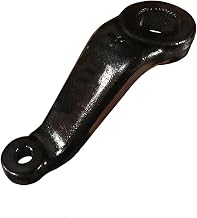
Best for Ford F-Series and Bronco lines that require a drop pitman arm with a lowered steering link geometry for lifted trucks within the Ford family.
Who it’s best for: Ford fans upgrading older trucks to improve steering stability after a lift.
Why selected: Tailored to classic Ford pickups and Broncos, helping restore a natural steering feel after lift installation.
Limitation: Works best on specific Ford chassis; verify exact year compatibility before ordering.
Clayton Off Road COR-2400200 Drop Pitman Arm

Best for Jeep XJ and ZJ models from 1984-2001 that need a drop pitman arm to correct steering geometry after a lift. It is designed for classic Jeeps with drop pitman needs.
Who it’s best for: Enthusiasts restoring or upgrading 1980s-2000s Jeeps that require updated steering components.
Why selected: Clear compatibility with XJ/ZJ chassis makes it a straightforward upgrade for that lineage.
Limitation: Primarily targeted at Jeeps; not ideal for broader SUV or truck platforms without verify-fitment checks.
Buying Guide: Key Considerations For 8 Inch Lift Applications
- Fitment and Lift Range: Ensure the arm is designed for your exact lift height (8″ is common) and vehicle model. Some arms cover multiple lift levels; others are model-specific.
- Steering Geometry: A drop pitman arm repositions the steering linkage to reduce bump steer and restore proper toe settings after lifting, improving straight-line stability.
- Compatibility: Confirm axle type, tie rod ends, and steering linkage geometry. Some arms fit Jeep XJ/ZJ or Ford Bronco, while others are more universal.
- Material and Build: Look for robust materials and mounting hardware. Strength matters for off-road use and long-term reliability.
- Installation: Some arms require alignment adjustments or new hardware. Consider professional installation if uncertain.
- Ride Quality vs Handling: Drop designs can slightly change steering response. Identify whether your priority is smoother on-road steering or better off-road geometry.
Frequently Asked Questions
- What is a drop pitman arm used for?
It corrects steering geometry after a lift, reducing bump steer and helping maintain proper toe alignment.
- Can I use any Pitman Arm with my 8″ lift?
No. Compatibility depends on vehicle model, axle, and lift height. Choose one designed for your application.
- Do I need an alignment after installing a drop pitman arm?
Yes. An alignment is typically recommended to ensure optimal steering and tire wear.
- Are drop pitman arms universal?
Some are broadly compatible, but most are model- or axle-specific. Always verify fitment with your build.
- Which brand offers the best value for an 8″ lift?
Value depends on lift configuration and vehicle; consider whether you need a universal option or a model-specific part for precise geometry.
- When should I replace a pitman arm?
Replace if you notice looseness, play in the steering linkage, or after performing a major lift modification.