Answering the question “which rubber seal protectants prevent cracking?” this guide highlights top products that maintain elasticity, resist cracking, and stop freezing issues. It targets buyers seeking durable seal conditioning for doors, trunks, and windows. The selections favor products offering UV protection, easy application, and long-lasting results. Recommended for everyday drivers, vintage car owners, and winter-ready vehicles, these options balance performance with practical use.
| Product | Best For | Why It Stands Out |
|---|---|---|
| Nextzett Gummi Pflege | All-weather seals | Restores satin finish without grease; prevents freezing and cracking |
| SONAX GummiPfleger | Year-round care | Built-in sponge applicator; maintains flexibility |
| 303 Rubber Seal Protectant | Aged seals | UV protection; revitalizes color and flexibility |
| 3-IN-ONE RVcare | Slide-out and RV seals | UV inhibitors; long-lasting protection |
| Flex Seal Spray | Broad sealing needs | Waterproof coating; flexible, paintable finish |
Nextzett Gummi Pflege Rubber Care Stick

Best for: Drivers who want a precise, stick-on applicator for door, window, and trunk seals. This product protects elasticity and prevents cracking, fading, and sticking. It also helps prevent freezing by keeping seals flexible in cold weather and restores a satin finish without greasy residue.
Why selected: The conditioning formula targets rubber surface restoration while avoiding buildup. It supports year-round flexibility, reducing future cracking risks. Consider this if you prefer a familiar, targeted application tool over sprays or wipes.
Limitation: The stick may feel slightly waxy in very hot conditions; wipe excess if necessary to avoid residue on painted areas.
SONAX Rubber Protectant GummiPfleger
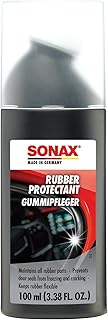
Best for: Car owners who want a clean, mess-free application with a built-in applicator. It refreshes and conditions rubber seals, helping maintain flexibility and a healthy appearance across seasons.
Why selected: The sponge-tip application reduces the need for separate applicators and minimizes waste. It is a practical option for routine maintenance of door seals and weatherstripping.
Limitation: May require reapplication in extreme conditions; component depth is moderate, so consider reapplication on older seals.
303 Products Rubber Seal Protectant

Best for: Owners with aging seals who want comprehensive protection for a “like-new” look. It rejuvenates color and flexibility while guarding against UV damage.
Why selected: Bit by bit, it penetrates to restore seals, vinyl, and plastic surfaces, offering versatile care beyond rubber alone. This is a strong all-around protector for interior and exterior trim as well.
Limitation: Pack size indicates two bottles; plan usage to prevent excess product on non-target surfaces.
Flex Seal Spray Rubber Sealant Coating
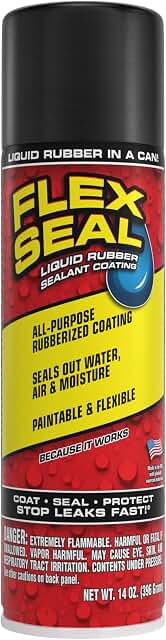
Best for: Users needing a broad, flexible coating for leaks and cracks in various materials. Suitable for multiple surfaces, including gutters, roofs, and RV components.
Why selected: It forms a waterproof, flexible coating that remains pliable over time, helping prevent moisture-related cracking in tough environments.
Limitation: This is a spray coating, which may require masking and careful application to avoid overspray on unintended areas.
3-IN-ONE RVcare Rubber Seal Conditioner

Best for: RV owners and long-haul travelers who want to extend the life of rubber seals on slide-outs and other flexible edges. It offers two ways of application with adjustable coverage.
Why selected: The formula includes UV inhibitors to prevent cracking and fading, while reducing friction and wear with long-lasting protection. Choose this if you routinely use RV seals in variable climates.
Limitation: Large-volume packaging may be more than needed for a single vehicle; time between uses should be planned to maximize results.
Buying Guide
What to consider when choosing rubber seal protectants
- Seal type and location: Doors, windows, trunks, or RV slide-outs may require different formulations.
- UV protection: UV inhibitors help prevent fading and cracking from sun exposure.
- Application method: Sponges, sticks, sprays, and wipes offer different ease-of-use and cleanliness.
- Longevity: Look for products designed for regular use to extend seal life and reduce future cracking.
- Residue and finish: Satin versus glossy finishes can affect appearance and paint compatibility.
- Performance in cold weather: Winter flexibility helps avoid sticking or freezing shut doors.
FAQ
- Q: Do these products prevent rubber from cracking in cold weather?
A: Yes, several products emphasize conditioning seals to maintain flexibility and reduce cracking in winter conditions. - Q: Can I use a rubber seal protectant on interior trim?
A: Some formulas are versatile and can be used on rubber, vinyl, and plastic surfaces, but check the product label for surfaces beyond rubber seals. - Q: Is there a difference between spray and stick applicators?
A: Yes. Sticks offer targeted application; sprays cover larger areas quickly but may require masking. - Q: How often should I reapply protectants?
A: Reapply based on climate, use, and product guidance; high-sun exposure or frequent cycling may require more frequent care. - Q: Are these products safe for all vehicle finishes?
A: Most are designed to be safe for rubber and related trim, but avoid contact with painted surfaces unless specified. - Q: Do any of these protect against moisture leaks?
A: Some products offer water-resistant properties, but their primary role is sealing and protecting rubber seals rather than waterproof coatings for all surfaces.