When oil leaks or seals dry out, choosing the right oil stop-leak additive can reduce consumption, quiet engine noise, and extend the life of gaskets. This guide targets practical buyers: motorists with aging engines, those facing minor oil seepage, and owners seeking a straightforward, low-cost maintenance option. Below are five well-known options with clear strengths and trade-offs, plus a concise buying guide and FAQ to help you decide.
| Product | Best For | Key Benefit |
|---|---|---|
| Lucas Oil 10278 Engine Oil Stop Leak | General use; mixed oil types | Repairs worn seals without risk of corrosion |
| Bardahl NoSmoke StopLeak | Older engines with oil burning and smoke | Thick formula fills tolerances, reduces smoke |
| STP High Mileage Oil Treatment + Stop Leak | High-mileage vehicles | Anti-wear protection and seal rejuvenation |
| XADO ATOMEX Oil Additive Stop Leak | All engines; leaks in gaskets and seals | Elasticity restoration and leak prevention |
| Bar’s Leaks OS-1 Oil Seal | Leaking main seals and gaskets | Renews seals and reduces burning and blue smoke |
Lucas Oil 10278 Engine Oil Stop Leak
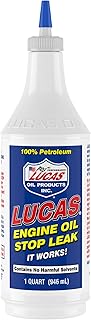
The Lucas Oil 10278 Stop Leak is designed to work with petroleum, semi-synthetic, and full synthetic motor oils. It renews worn seals without risking damage or corrosion, and claims to reduce engine noise and oil consumption while raising oil pressure. Best for drivers seeking a straightforward solution that supports a wide range of oil types without heavy modification of the oil system.
Best for: Everyday drivers with minor seal wear who want a simple, compatible additive. It can be an option when seeking a low-risk seal renewal without changing oil chemistry significantly.
Caution: Data notes no specific warnings beyond compatibility; monitor for any unexpected changes in oil pressure or consumption after use.
Bardahl NoSmoke StopLeak Motor Oil Additive

Bardahl NoSmoke StopLeak focuses on older engines, aiming to reduce burning oil and exhaust smoke. Its thick formula is described as filling loose tolerances, sealing leaks, and quieting noisy lifters. It also mentions emissions considerations by potentially reducing pollutants in exhaust. This product suits engines with visible consumption, smoking, and older seals that have hardened over time.
Best for: Vehicles showing oil consumption and smoke, especially when the goal includes reducing exhaust emissions with a single additive. Choose this if your priority is sealing leaks while addressing high-mileage emissions concerns.
Limitation: The product emphasizes multiple benefits; users should verify compatibility with their specific engine model and ensure no conflicts with other additive schemes.
STP High Mileage Oil Treatment + Stop Leak
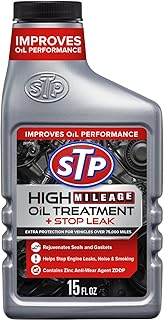
STP High Mileage Oil Treatment + Stop Leak is formulated for vehicles with over 75,000 miles, featuring a high-viscosity base and ZDDP oil additive for anti-wear protection. It emphasizes seal rejuvenation and stopping engine leaks, noise, and smoke, making it a practical option for older engines during routine maintenance. It is suitable for cars, light trucks, and SUVs.
Best for: High-mileage vehicles needing a combined anti-wearing treatment and leak-stop capability. It’s a solid choice when you want both protection and leak control in one bottle.
Limitation: As with many high-mileage formulas, results can vary based on seal condition and engine design; consider a phased approach if oil consumption remains high after treatment.
XADO ATOMEX Oil Additive Stop Leak

XADO ATOMEX focuses on elasticity restoration for rubber gaskets and seals, with a claim to fix leaks and rejuvenate seals across all engine types including autos and motorcycles. The product is positioned as a comprehensive solution for stopping leaks, prolonging engine life, and preserving performance. It’s presented as a versatile option for various engines and leak scenarios.
Best for: Users seeking a broad-application solution that emphasizes restoring seal elasticity and preventing future leaks. This can be especially appealing for mixed-engine fleets or when leaks originate from aging seals.
Limitation: The description highlights multiple benefits; users should verify compatibility with their vehicle’s engine materials and existing seal types before use.
Bar’s Leaks OS-1 Oil Seal Engine Oil Burning/Leak Repair

Bar’s Leaks OS-1 is a 16.9-ounce formula designed to repair leaking main seals and gaskets, renew worn valve seals, and stop oil burning and blue exhaust smoke. The product emphasizes a long brand history and compatibility with a broad range of gasoline and diesel engines, including turbocharged and hybrid setups. It targets a comprehensive leak and burn reduction in one treatment.
Best for: Drivers with visible main-seal leaks or blue smoke who want a proven-brand option for sealing and reducing burning. This product may be particularly appealing to owners seeking a reliable, established solution.
Limitation: Results may vary by engine design and leakage severity; multiple applications or a staged approach may be required for stubborn leaks.
Buying Guide: Key Considerations for Oil Stop Leak Additives
- Engine type and mileage: High-mileage engines may benefit more from additives marketed for older seals and anti-wear protection.
- Seal material compatibility: Check that the additive is compatible with your engine’s gasket material and oil type.
- Leak location and severity: Small seepage versus significant leaks may respond differently; some products focus on sealing, others on reducing burning or noise.
- Oil type compatibility: Ensure the additive supports petroleum, synthetic, or semi-synthetic oils as required by your vehicle.
- Emissions considerations: Some formulas claim emissions benefits; verify compatibility with local standards and vehicle warranties.
- Maintenance plans: Consider using stop-leak products alongside regular oil changes rather than as a sole solution for major leaks.
FAQ
- Do oil stop-leak additives damage engines? Most major brands are designed to be compatible with common oil types and seals, but misuse or overuse can cause issues. Always follow label directions and consult your mechanic if unsure.
- Can these additives fix all leaks? These products can seal minor leaks and rejuvenate seals, but they are not a substitute for major gasket or seal failures.
- Will stop-leak additives void my warranty? Generally, using a properly formulated additive does not void warranties, but check the manufacturer’s terms and your vehicle’s warranty conditions.
- How soon will I see results? Some users notice reduced oil loss and quieter operation after a few drive cycles; others may require longer treatment or professional evaluation for persistent leaks.
- Should I mix multiple additives? It is not recommended to mix different brands or formulas without guidance from a qualified technician, as chemical interactions could occur.
- Is stop-leak safe for turbocharged or diesel engines? Most products target gasoline engines; verify product compatibility with your exact engine type and fuel system before use.