If you’re seeking an additive to thicken engine oil, these products are designed to cushion wear, reduce oil consumption, and improve seal integrity. They’re best for high-mileage vehicles, engines with noticeable oil consumption, or drivers seeking smoother operation and reduced friction. The top choices below cover high-mileage needs, diesel and gasoline engines, and both budget-friendly and premium options. The following buying guide helps compare effectiveness, compatibility, and potential limitations.
Summary table of chosen products
- STP High Mileage Oil Treatment + Stop Leak – 15 fl oz: Best for high-mileage vehicles needing seal rejuvenation and anti-wear protection.
- Prolube Oil Treatment – 6 oz: Best for everyday driving with a focus on reduced wear and fuel efficiency.
- Motor Honey C162-12 Premium Engine Oil Treatment – 14 fl oz: Best for smoke reduction and viscosity improvement in older engines.
- Diamond Nano-Lube Engine Oil Additive: Best for friction reduction across various engines, including high-mileage setups.
- Liqui Moly Viscoplus for Oil – 300 ml: Best long-term viscosity boost and general use in multiple engine types.
STP High Mileage Oil Treatment + Stop Leak
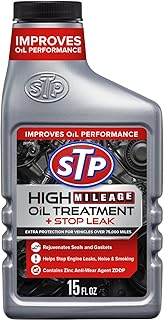
This product targets high-mileage engines, helping seals and gaskets reclaim flexibility while providing anti-wear protection with ZDDP additives. It creates a thicker lubricant cushion between parts, reducing metal-to-metal contact. Best for vehicles over 75,000 miles and for owners who notice leaks or smoke. Use during every oil change, especially in cars, light trucks, and SUVs with aging seals.
Who it’s best for: owners of older vehicles with slight leaks or oil consumption, needing both wear protection and seal conditioning. Why selected: combines a high-mileage oil treatment with stop-leak properties, addressing multiple age-related issues. Caution: some users report variable results on certain engines; verify compatibility with your vehicle’s oil specification.
Prolube Oil Treatment

This engine oil additive emphasizes reducing wear, noise, and vibration in both gasoline and diesel engines. It’s designed to improve fuel economy by decreasing friction and promoting smoother operation under daily driving and heavier workloads. Best for drivers seeking a balance of performance gains and cost efficiency.
Who it’s best for: everyday drivers seeking better efficiency and quieter operation without premium formulations. Why selected: clear emphasis on friction reduction and noise suppression across engine types. Caution: performance claims focus on long-term wear reduction; results may vary by vehicle design and oil system cleanliness.
Motor Honey C162-12 Premium Engine Oil Treatment

Motor Honey focuses on stopping oil burning and reducing smoke, with viscosity-improving properties. This makes it a potential choice for older engines with burning oil or minor viscosity breakdown. Best for engines that exhibit oil loss symptoms or smoke after startup.
Who it’s best for: owners of older engines with noticeable oil consumption or smoke. Why selected: addresses both burning oil and viscosity stability. Caution: may not provide the same level of anti-wear protection as heavier-duty additives; compatibility with your oil grade should be confirmed.
Diamond Nano-Lube Engine Oil Additive

BestLine Racing’s Diamond Nano-Lube adds a diamond-like coating to form an ultra-low friction film. It aims to reduce friction by up to 60% and improve heat resistance, potentially enhancing power and longevity across gasoline and diesel engines. It’s positioned for diverse vehicles, including high-mileage and performance setups.
Who it’s best for: drivers wanting substantial friction reduction and a robust high-temperature performance; works across several engine types. Why selected: emphasis on advanced nano-coating technology for broad applicability. Caution: high-performance claims may be less pronounced in engines with significant existing wear or contamination.
Liqui Moly Viscoplus for Oil
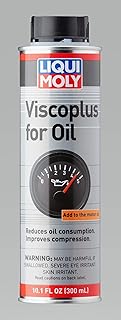
Liqui Moly Viscoplus is designed to boost viscosity stability and provide consistent lubrication across engine operating conditions. It’s suitable for a wide range of engines and is a straightforward option for those seeking a reliable, general-purpose oil thickener and conditioner.
Who it’s best for: drivers needing a dependable viscosity boost for mixed driving conditions. Why selected: simple, broadly compatible option that supports oil film strength without specialized formulations. Caution: may not deliver the same targeted seal-enhancing benefits as dedicated stop-leak products.
Buying Guide: Key Purchase Considerations
- Engine type and mileage: High-mileage engines may benefit most from seal-conditioning and wear protection additives. Diesel engines may respond differently to certain formulations than gasoline engines.
- Oil viscosity and compatibility: Check your vehicle’s manufacturer specifications. Some additives are designed to work with specific viscosity ranges or oil baselines.
- Purpose of the additive: If your primary concern is reducing wear, prioritize anti-wear and friction-reduction formulations. If leaks are a concern, stop-leak features may be advantageous.
- Potential side effects: Some additives can alter oil color or cause leaks if seals are already degraded. Start with small doses per directions and monitor after changes.
- Pricing vs. value: Consider how often you’ll use the product (per oil change vs. periodic top-offs) and weigh long-term benefits against upfront cost.
FAQ
- Do engine oil additives actually thicken oil?
They can improve film strength and viscosity stability, which helps maintain lubrication under stress, though they do not permanently “thicken” the base oil. - Can I use multiple oil additives together?
It’s generally not recommended to mix different brands or types without manufacturer guidance. Some combinations can interact unfavorably with seals or detergents. - Are these additives safe for high-mileage engines?
Many are formulated with seal conditioning and anti-wear properties to suit aging engines, but check compatibility with your engine and oil spec. - Will these additives fix leaks or burning oil?
Seal-restoration and stop-leak products can help in some cases, but they do not replace necessary repairs for severely damaged seals or gasket failure. - Which additive is best for daily driving?
For general improvements in wear protection and efficiency, the Prolube option offers a balanced approach without specialized claims. - Is there any maintenance impact?
Use as directed during regular oil changes; excessive use or incorrect formulations can affect oil flow or engine cleanliness.