Answering the common question, a front wheel holder bicycle accessory helps stabilize a bike for transport or indoor training. This guide compares five options to help cyclists, commuters, and indoor-training enthusiasts choose the right holder. The top picks are suited for different needs: safe transport on flat surfaces, stability during trainer sessions, and space-saving storage for garages or studios. The following table highlights key details to aid quick comparisons.
| Product | Best For | Why It Stands Out |
|---|---|---|
| Original Bike Hitches by Delta Cycle Wheel Hitch | Transporting any bike securely | Heavy-duty alloy, fits any flat surface, built-in locking option |
| Bike Trainer Front Wheel Block | Indoor trainer stability | Sturdy front-wheel support, ensures level front during workouts |
| Thinvik Front Wheel Riser Block | Budget-friendly trainer setup | Compact, supports mountain and road wheels |
| Flexzion Front Wheel Block | Versatile indoor training | 1.5″ elevation, fits a wide tire range |
| ALIXUEQIN Bike Stand Floor | Garage storage | Floor-standing rack, supports larger wheels |
Original Bike Hitches Delta Wheel Hitch

The Delta Wheel Hitch is designed for safe front-wheel transport. It securely holds the bike wheel on a flat surface, reducing risk of tire damage during movement. Best for cyclists who frequently move bikes on trucks, trailers, or garages, especially when carrying multiple bikes. The product also offers a built-in locking option to accommodate various wheel sizes and bike types, including mountain bikes and e-bikes. A potential limitation is that it is a dedicated wheel-holding mount rather than a full bike rack, so users needing vertical storage may require additional hardware. Best for: travelers, fleet setups, and homeowners needing a secure surface mount.
Bike Trainer Front Wheel Block

This front wheel block is positioned for indoor riding training. It stabilizes the front wheel to keep the bike level during workouts, which can improve ride feel and efficiency. Made from molded plastic that tends to be sturdier than basic plastics, it resists cracking under normal use. The size supports bike wheels with widths from about 1″ to 2.5″ and provides roughly 1.5″ of rise. Best for: indoor trainers and workout-focused setups where front-wheel leveling enhances stability. Limitation: not a full stand or rack; primarily a front-wheel stabilization accessory for trainers.
Thinvik Front Wheel Riser Block
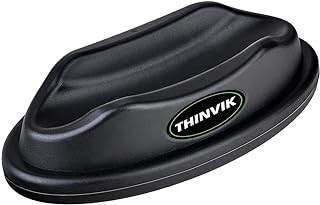
The Thinvik model provides a budget-friendly option for indoor use with a focus on stability for front-wheel elevation. It supports various wheel widths and helps centers the wheel during trainer sessions. Best for: cost-conscious buyers who need a straightforward front-wheel helper for indoor cycling. Caution: it may be less robust for heavy-duty use or frequent, long-duration sessions compared with premium blocks.
Flexzion Front Wheel Block

Flexzion’s front wheel block offers 1.5 inches of elevation and supports tires up to 2 inches wide. It is designed for indoor training and provides stable leveling for better training outcomes. Best for: user setups requiring adjustable elevation with a reasonably wide tire fit. Beware: as a block-based solution, it may be less robust for long-term heavy use compared with metal frames.
ALIXUEQIN Floor Bike Stand

The ALIXUEQIN floor stand is a dedicated bike storage solution for garages or utility rooms. It supports 24″ to 29″ bikes with tires up to 3.5″ wide and provides a front/rear wheel parking rack design. Best for: users needing long-term storage and organization for larger-wheel bikes. Limitation: larger footprint compared with compact front-wheel blocks; more suited to fixed spaces than portable setups.
Buying Guide: Front Wheel Holders And Indoor Trainers
What should I look for when choosing a front wheel holder?
Key factors include compatibility with wheel width, required elevation, and whether the product is designed for transport, storage, or indoor training. Consider materials (metal vs. molded plastic), stability, and ease of installation. If you need increasing elevation for trainer use, prioritize models offering 1.5″ rise or more and wheels up to 2.5″ wide.
Which option is best for transport versus indoor use?
For transport on flat surfaces, a mounting system like a wheel hitch that locks to a surface and accommodates different wheel sizes is ideal. For indoor training, a front-wheel block or riser that stabilizes the wheel and provides elevation helps maintain balance and power transfer. Storage-focused stands prioritize footprint and easy access in a garage or closet.
Are there safety considerations to note?
Always ensure the wheel is securely supported and cannot slip during movement or workouts. Avoid products that rely on friction alone for heavy bikes or long sessions. If the holder uses a locking option, verify compatibility with your bike’s wheel type and axle configuration.
How do size and tire width affect choice?
Wheels commonly range from 1″ to 2.5″ in width for most road and mountain bikes. Choose a product clearly specifying compatible tire widths. If you have wider tires or fat bikes, select a model rated for wider tires and confirm maximum elevation before purchase.
What maintenance considerations are involved?
Regularly inspect for cracks, looseness, or signs of wear in molded plastic blocks. For metal mounts, check screws and locking mechanisms for corrosion or fatigue. Cleaning and light lubrication can preserve performance, especially for gear paths or locking components.
Quick comparison at a glance
- Best for secure transport: Delta Wheel Hitch. Pros: robust, adaptable; Cons: requires flat mounting surface.
- Best for indoor trainer stability: Bike Trainer Front Wheel Block. Pros: level front wheel; Cons: primarily a front-wheel solution.
- Best budget option: Thinvik Front Wheel Riser Block. Pros: affordable; Cons: potentially less durable with heavy use.
- Best elevation for training: Flexzion Front Wheel Block. Pros: 1.5″ rise; Cons: mid-range durability claims.
- Best for garage storage: ALIXUEQIN Floor Stand. Pros: supports larger bikes; Cons: larger footprint.
Frequently Asked Questions
- Do front wheel holders work with all bike types? Yes, most are designed to accommodate road, mountain, and some e-bikes, but check wheel width compatibility before purchasing.
- Can I use a front wheel holder for transport inside a vehicle? Some models are intended for flat-surface transport; confirm mounting requirements and vehicle space first.
- Will a higher elevation improve trainer performance? A small elevation can improve balance and bike alignment during training, especially for indoor workouts.
- Are front wheel blocks suitable for long-term use? Many are designed for regular training sessions; check product materials and durability if you plan daily use.