When safeguarding a fuel system, select a pressure switch that reliably signals the pump to run only when needed and shuts it off if the engine stops or pressure drops. This guide highlights five cost-effective switches suited for different vehicles and use cases, including everyday street cars, classic or custom builds, and marine applications. Each option includes who it’s best for and why, plus practical cautions to consider during installation.
| Product | Best For | Notes |
|---|---|---|
| A68301 Oil Pressure Switch (various brands) | DIYers needing compatibility across multiple engines | Classic oil pressure switch style reference; suitable for integrated safety monitoring |
| Standard Motor PS-64 Oil Pressure Switch | Older vehicles with stock warning light needs | Simple, widely used in OEM replacements |
| Holley 12-810 Fuel Pump Safety Pressure Switch | Performance upgrades and aftermarket systems | Focus on fuel pump safety in performance builds |
| Labwork Oil Pressure Fuel Pump Switch for MerCruiser | Marine engines and boats | Designed for marine fuel systems |
| Revolution Electronics Electric Fuel Pump Controller | Classic cars and tach-driven systems | Advanced controller with tach-based operation |
A68301 Oil Pressure Switch Fit for NAPA and Others

Best for versatile compatibility, this oil pressure switch serves a broad range of car brands including NAPA, Delphi, and Spectra Premium variants. Its primary role is to monitor engine oil pressure and trigger safety actions when pressure falls outside safe ranges. Best for owners upgrading older or mixed-brand fleets who want a single part that fits multiple applications. Limitation: verify exact thread size and electrical connections for your specific engine to avoid mismatches.
Standard Motor PS-64 Oil Pressure Switch with Light
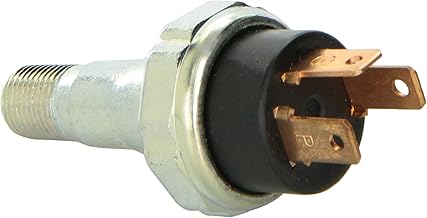
This switch is ideal for vehicles that rely on a warning light to indicate oil pressure status. It’s commonly used in older or stock setups where a simple visual cue is sufficient. Best for classic cars or daily drivers needing straightforward integration. Caution: ensure compatibility with the vehicle’s electrical system and light circuit to avoid false warnings or light burnout.
Holley 12-810 Fuel Pump Safety Pressure Switch

Best for performance-minded builds and aftermarket fuel systems, this switch emphasizes safety by ensuring the pump runs only when fuel pressure is within safe limits. Choose this if you’re upgrading or tuning a performance setup that relies on precise fuel delivery. Limitation: designed for specific pump and fuel line configurations; verify fit with your system’s fuel pressure range and wiring harness.
Labwork Oil Pressure Fuel Pump Sensor Switch (MerCruiser)

Designed for MerCruiser marine engines, this switch combines oil pressure sensing with pump control to safeguard marine fuel systems. Best for boaters who require reliable shutoff to prevent fuel pump running when engine pressure drops or engine is off. Caution: marine installations may involve corrosion-prone environments; ensure proper waterproofing and connector sealing.
Revolution Electronics Electric Fuel Pump Controller

Best for classic cars or vehicles using tach-driven fuel systems. The controller primes the pump on key-on and halts it if the engine stops, aligning with tach signals to regulate pump operation. It supports both stock inductive and aftermarket square-wave tach signals and can work with non-tach setups by wiring to the coil’s negative side. Caution: installation complexity increases with older electrical architectures and may require additional wiring knowledge.
Buying Guide
Key purchase considerations help align a switch with your engine type and goals.
- Compatibility: Check thread size, electrical connectors, and whether the switch is designed for oil pressure or fuel pressure monitoring.
- Application: Choose based on engine type (gasoline, diesel), vehicle class (car, truck, marine), and whether you need a light indicator or a solid cut-off.
- Control logic: Tach-based controllers offer dynamic control for performance builds; simple switches suit stock or classic setups.
- Environmental exposure: Marine and outdoor installations require water-resistant housings and corrosion resistance.
- Wiring and installation: Some units require additional relays, fuses, or ignition-sourced power; plan accordingly.
Common Scenarios
- Daily Driver: Opt for a straightforward switch with a warning light or simple safety cutoff.
- Performance Vehicle: Consider a tach-driven controller that synchronizes pump demand with engine operation.
- Classic Car: A reliable, widely compatible switch with easy wiring and clear indicators reduces install time.
- Marine Engine: Choose a marine-rated sensor with waterproof connectors and corrosion resistance.
FAQ
- What is a fuel pump safety pressure switch? A device that monitors fuel or oil pressure and controls the fuel pump to prevent unsafe operation or fuel leakage when pressure is too low or the engine stops.
- Do I need a tach-based controller? If your build involves aftermarket tach signals or performance tuning, a tach-based controller helps synchronize pump operation with engine status.
- Can these switches be used with any fuel pump? Compatibility depends on thread size, electrical connections, and system pressure. Always confirm with your pump and vehicle specifications.
- Is marine-grade wiring necessary for boats? Yes, marine-grade switches and connectors provide resistance to moisture, salt, and vibration common in boating environments.
- Will these switches affect fuel economy? They optimize pump operation and can prevent wasteful pumping during engine stopping, potentially improving system safety and reliability rather than consumption alone.
- How hard is the installation? It ranges from straightforward bolt-on replacements to more complex wiring for tach signals or aftermarket controllers. Plan for basic electrical work and refer to vehicle-specific diagrams.