If you’re shopping for medium duty truck fuel tanks, you want durable, reliable fuel storage and transfer options that fit your truck and usage. This guide highlights five well-suited tanks, with clear notes on who each is best for and why. It’s ideal for contractors, fleet operators, and DIYers who need portable, safe fueling solutions. A quick summary table of the selected products is included below the introduction to help you compare at a glance.
| Product | Capacity | Best For | Key Benefit |
|---|---|---|---|
| VEVOR Portable Diesel Tank | 58 gallons | On-the-go fueling, light to moderate projects | High flow rate with built-in 12V pump |
| RDS MFG INC Fuel Tank – 60-Gallon | 60 gallons | Versatile short-bed pickups | Multiple capacities available; top-access siphon option |
| RDS MFG INC – 71790 91Gal | 91 gallons | Bulk fuel transfer, longer runs | Large capacity with easy top siphon |
| Better Built 36-Gallon Transfer Tank | 36 gallons | Smaller footprint, steady use | Automatic shutoff and internal baffles |
| Fuel Transfer Tank, 50 Gallon | 50 gallons | Diesel and gasoline use, compact option | 12V pump and long hose |
VEVOR Portable Diesel Tank

Overview: The VEVOR 58-gallon portable diesel tank combines a compact footprint with a robust 12V electric transfer pump and a long 13.1-foot hose. This unit is designed for on-site fueling and easy transport of diesel or kerosene. It’s best for contractors and mobile crews that need quick fueling without a full trailer setup.
- Best For: On-site fueling for jobsites, light construction fleets, and landscapers.
- Why Selected: Moderate capacity and a high-flow pump support faster transfers.
- Limitation: Plastic tank material may be more prone to denting with heavy loading.
RDS MFG INC Fuel Tank – 60-Gallon
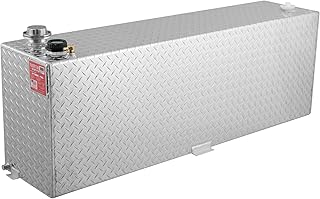
The RDS 60-gallon fuel tank offers versatility with a top-access siphon option and an electric pump capable of drawing gasoline or diesel. It’s compatible with several short-bed trucks, making it a practical choice for fleets and individuals with limited truck space.
- Best For: Short-bed trucks needing a capable, mid-sized tank.
- Why Selected: Flexible fueling workflow with top siphon capability.
- Limitation: Confirm bed dimensions before ordering to ensure fit.
RDS MFG INC – 71790 91Gal

The 91-gallon tank from RDS MFG INC provides a higher capacity option for longer fueling runs between refills. It is designed for gasoline transfer via electric pumps and fits a range of vehicle configurations. This model suits users who prioritize capacity over compactness.
- Best For: Users needing extended fueling between fills.
- Why Selected: Higher capacity reduces trips to refuel.
- Limitation: Heavier when full; ensure mounting support and vehicle capacity.
Better Built Steel Transfer Tank – 36-Gallon

This 36-gallon steel transfer tank emphasizes durability and spill prevention. It includes built-in baffles to minimize shifting contents during transport and an overfill shutoff to prevent spills. It’s an excellent choice for steady, low-to-moderate volume fueling in rugged environments.
- Best For: Trucks needing a sturdy, compact transfer tank with spill safeguards.
- Why Selected: Improved stability and spill control for transit.
- Limitation: Smaller capacity means more frequent refills on long jobs.
Fuel Transfer Tank, 50 Gallon

The 50-gallon transfer tank provides a compact option with a 12V transfer pump and a long 13.1-foot hose. It’s suitable for quick refueling between jobs and works well for smaller fleets or homeowners who need a mobile fueling solution without a large trailer footprint.
- Best For: Smaller crews, homeowners, and light-duty contractors.
- Why Selected: Combines portability with adequate capacity for frequent fueling.
- Limitation: Slightly smaller capacity may require more frequent refills on busy days.
Buying Guide: Key Purchase Considerations
What capacity is right for you?
Choose capacity based on typical fueling intervals. If you refill once a day or less, larger tanks (60–90 gallons) can reduce trips. For lighter use or limited truck space, a 36–50 gallon tank may suffice.
What material and durability matter?
Steel tanks offer durability and spill resistance, while poly tanks save weight and corrosion resistance but may dent under heavy loads. Consider mounting needs, road vibrations, and weather exposure for outdoor use.
Is there a built-in pump or hose length you need?
Many units include a 12V transfer pump and long hoses. If you plan frequent handheld transfers, verify hose length and pump flow rate to ensure efficient fueling without overworking the pump.
What about safety and spill prevention?
Look for tanks with automatic shutoff features, baffles to minimize liquid movement, and secure mounting options. These features help prevent spills and enhance on-road stability.
How will you mount and access the tank?
Check bed dimensions and mounting points. Some tanks are designed for short-bed trucks, others fit multiple truck sizes. Measure clearance for fuel filler access and pump placement.
FAQ
- Q: Are these tanks suitable for both diesel and gasoline?
A: Some models allow gasoline and diesel transfer; verify the product description and pump compatibility for your fuel type. - Q: Do these tanks require professional installation?
A: Most portable tanks are designed for owner setup with basic mounting hardware; always follow manufacturer instructions for safe operation. - Q: Can I use a tank with a smaller capacity in a heavy-use fleet?
A: Yes, but you may need more frequent refills; consider whether you prioritize portability over capacity. - Q: What maintenance is needed for fuel transfer tanks?
A: Regularly inspect hoses and seals for wear, keep vents clear, and drain condensate if present to maintain pump efficiency. - Q: Do these tanks come with warranties?
A: Warranty terms vary by brand and model; check the product page for specifics on coverage and limitations.