Oil leaks can signal worn seals, gaskets, or evaporating engine performance. The right additive can help cushion seals, reduce burning, and slow or stop leaks when used with fresh oil. Below is a curated selection of trusted products designed to address oil leaks, improve sealing, and support overall engine longevity. Each option varies by vehicle type, mileage, and oil system design, so choose a formula that matches your engine and oil type.
| Product | Brand | Key Benefit |
|---|---|---|
| Lucas Oil 10278 Stop Leak | Lucas Oil | Seal renewal and reduced oil consumption |
| STP High Mileage Oil Treatment + Stop Leak | STP | Seal restoration for high-mileage engines |
| LIQUI MOLY Motor Oil Saver | Liqui Moly | Prevents leaks from elastomeric seals |
| Bar’s Leaks OS-1 Oil Seal | Bar’s Leaks | Stops leaks and seals worn engine seals |
| Bar’s Leaks 1000 High Mileage | Bar’s Leaks | Restores compression and stops leaks in high-mileage engines |
The following sections highlight five select products with concise notes on application and expected outcomes. Each entry includes a direct link to the product page, an image for quick recognition, and the key features that support oil-leak management.
Lucas Oil 10278 Stop Leak

Lucas Oil 10278 Engine Oil Stop Leak is designed to renew worn seals with minimal risk of damage or corrosion. This universal formula aims to reduce engine noise and oil consumption while raising oil pressure. It is suitable for a wide range of engines and oil types. The product type is listed as Auto Oil, and it comes in a compact quart container, making it convenient for periodic maintenance during oil changes. The formulation focuses on seal renewal and lubrication balance, helping to curb leaks from aging gaskets without aggressive solvent effects.
STP High Mileage Oil Treatment + Stop Leak

STP High Mileage Oil Treatment + Stop Leak is tailored for vehicles with over 75,000 miles. It provides anti-wear protection with ZDDP oil additive and aims to prevent leaks by cushioning seals and gaskets. The product is designed to be added with each oil change and supports reducing engine noise and oil consumption. It is compatible with cars, light trucks, and SUVs, offering a practical option for aging engines experiencing minor leaks or sealing issues.
LIQUI MOLY Motor Oil Saver

Liqui Moly Motor Oil Saver is designed to reduce oil consumption by targeting piston rings and valve guides. It helps prevent blue, smoky exhaust fumes and can assist in preventing leaks related to elastomeric seals. This product supports oil-system sealing and reduces the risk of leakage from common wear points, making it a practical choice for engines with mild leakage symptoms.
Bar’s Leaks OS-1 Oil Seal

Bar’s Leaks OS-1 Oil Seal Engine Oil Burning and Leak Repair targets a broad range of gasoline and diesel engines, including turbocharged, EcoBoost, and hybrid configurations. It’s designed to renew worn valve seals and guides, stop oil burning and blue exhaust, and support engines with assorted cylinder configurations. The formula emphasizes sealing and reducing oil consumption, making it suitable for engines with signs of leakage or burning issues.
Bar’s Leaks 1000 High Mileage Engine Repair
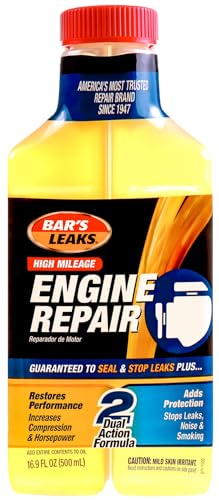
Bar’s Leaks 1000 High Mileage Engine Repair combines additives intended to restore performance, increase compression and horsepower, and stop leaks, noise, and smoking. The product targets worn cylinders, rings, bearings, and seals to improve overall engine performance in high-mileage vehicles. It is positioned as a broad solution for engines that experience leakage alongside reduced efficiency and increased wear symptoms.
Bar’s Leaks 1010 Engine Oil Stop Leak Concentrate
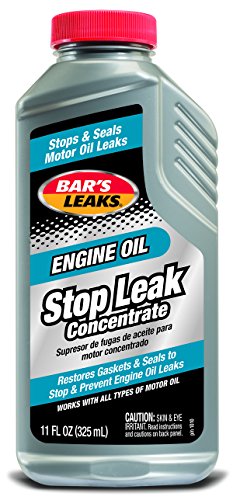
Bar’s Leaks 1010 Engine Oil Stop Leak Concentrate is designed to stop seal and gasket leaks from normal engine wear and aging. One bottle treats up to 5 quarts of oil, with guidance for larger or smaller systems. It aims to prevent leaks between oil changes, with typical results in driving mileage. It offers a straightforward approach for continuing leak control without major repairs, though persistent leaks may require mechanical assessment.
Lucas Oil 10278 Stop Leak (Second Listing)
This additional Lucas Oil listing emphasizes universal fit, seal renewal without damage or corrosion, and the potential to reduce oil consumption while improving oil pressure. It reinforces Lucas Oil’s emphasis on compatibility and conservative performance gains aimed at extending seal life in various engine designs.
Lucas Oil 10279 Engine Oil Stop Leak
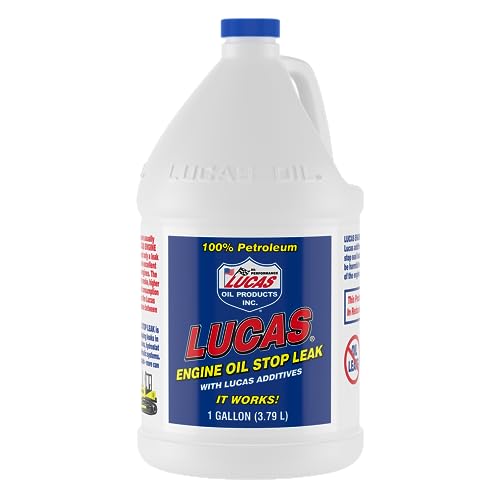
Lucas Oil 10279 is a larger-volume option compatible with petroleum, semi-synthetic, and full synthetic oils. It claims to reduce engine noise and oil consumption while raising oil pressure, making it suitable for anti-leak strategies on engines with higher mileage or diverse oil types.
Buying Guide: Key Purchase Considerations
- Engine type and mileage: High-mileage engines may benefit more from seal-restoration products designed for aging seals and guides.
- Oil type compatibility: Check whether the additive supports conventional, semi-synthetic, or full-synthetic oils. Some formulas advertise universal compatibility, while others are more limited.
- Leak severity: For minor leaks, a seal-restoration additive may help; for significant leaks or burning, mechanical repair is typically necessary.
- Vehicle usage: Consider driving patterns, such as frequent highway use or heavy loads, which influence leak progression and additive effectiveness.
- Maintenance integration: Many products are added with or during oil changes; ensure your maintenance routine aligns with the product’s directions.
- Seal material and gasket types: Elastomer seals and valve guides respond differently to various additives; select formulas designed to address the materials present in your engine.
- Long-term expectations: Additives can slow leaks or renew seals, but they are not guaranteed cures for all leak causes. Persistent leaks usually require inspection and repair.
- Brand support and compatibility: Rely on reputable brands with clear labeling and disclosures about application scope, especially for turbocharged or diesel engines.
In selecting an additive for oil leaks, compare product claims with your vehicle’s oil specification, mileage, and symptoms. For engines with active burning, bluish smoke, or rapid oil loss, consulting a mechanic is advised even if using an additive as a supplementary measure.