Consumers seeking better performance from Ford’s EcoBoost Mustang can explore cold air intake systems designed to reduce air resistance and deliver cooler, denser air to the engine. The right kit can improve horsepower, torque, throttle response, and turbo spool, while delivering a more aggressive engine note. This guide reviews five top options, highlighting performance benefits, ease of installation, and what to expect on 2.3L EcoBoost setups as well as newer Mustang variants.
Summary of selected products:
| Product | Brand | Key Benefit | Compatibility |
|---|---|---|---|
| K&N Cold Air Intake System: 63-2606 | K&N | Guaranteed horsepower and torque increase; improved engine sound | 2018-2023 Ford Mustang |
| Boosted Performance 2.3L EcoBoost (Blue Filter) | BP Boosted Performance | Up to 15 WHP and 20 WTQ; faster turbo spool | 2015-2023 EcoBoost Mustangs |
| AIRAID Cold Air Intake System AIR-455-326 | Airaid | Smoother airflow; cooler, denser intake air | 2015-2020 Ford Mustangs |
| K&N Cold Air Intake System: 69-3540TP | K&N | Guaranteed horsepower and torque; enhanced engine growl | 2018-2023 Ford Mustang GT |
| Boosted Performance 2.3L EcoBoost Red Filter | BP Boosted Performance | 15 WHP and 20 WTQ; improved throttle response | 2015-2023 EcoBoost Mustangs |
K&N Cold Air Intake System: 63-2606 (2018-2023 Mustang)

The K&N 63-2606 system provides a high-flow air filter and a less restrictive intake path designed to bring cooler air into the EcoBoost engine. It emphasizes a measurable horsepower and torque increase, with wheel-based dynamometer testing reports included with the kit. Engine sound typically becomes more pronounced during acceleration, while remaining quiet at steady speeds.
Key features include a dyno-verified performance upgrade and a growl that accompanies WOT bursts. The installation is intended to be straightforward for those with intermediate automotive skills, and the kit is designed to preserve air-fuel ratios to avoid recalibration in most applications.
Boosted Performance 2.3L EcoBoost (Blue Filter)

This cold air intake aims to increase airflow by more than 50% over factory intake, resulting in improved air density, quicker turbo spool, and added performance. Expected gains include about 15 WHP and 20 WTQ, thanks to reduced restrictions and more efficient engine breathing. The kit emphasizes faster throttle response and enhanced turbo efficiency, with compact, bolt-on installation for most EcoBoost configurations.
Pros include a noticeable reduction in intake air temperatures and a sportier intake note during acceleration. Potential considerations involve ensuring compatibility with your specific EcoBoost revision and verifying fitment with aftermarket intercoolers or piping in some builds.
AIRAID Cold Air Intake AIR-455-326
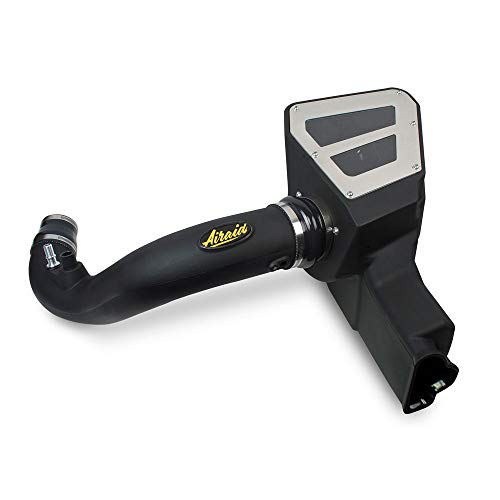
AIRAID’s cold air intake features an aerodynamically engineered intake tube to accelerate airflow and reduce turbulence, helping keep intake air cooler and more oxygen-dense. The system emphasizes easy installation and maintenance of proper air-to-fuel ratios, minimizing the need for recalibration after installation. It’s designed to deliver measurable horsepower gains while preserving driveability and engine reliability.
Highlights include superior filtration with a smooth air path, and a dry synthetic filter designed to maintain performance across varying conditions. Users should verify fitment with their specific EcoBoost or Mustang model year, as compatibility can vary by engine and intake routing.
K&N Cold Air Intake System: 69-3540TP (2018-2023 Mustang GT)

This K&N kit emphasizes a high-flow air filter and a wider intake path to maximize oxygen-rich air delivery to the engine. It promises a horsepower and torque increase with an audible engine growl during acceleration, returning to a quieter tone at highway speeds. The design aligns with late-model Mustangs that feature more aggressive intake routing for enhanced air delivery.
Installation is described as straightforward for enthusiasts familiar with performance upgrades. The kit is aimed at providing immediate seat-of-the-pants gains while keeping the vehicle street-legal and reliable for daily driving. As with other aftermarket intakes, check for fitment compatibility with your exact engine and emissions setup.
Boosted Performance 2.7L & 3.5L EcoBoost (Red Filter)

Designed for larger EcoBoost configurations such as 2.7L and 3.5L engines, this intake claims a significant airflow increase over stock, promoting faster turbo spool and improved throttle response. The kit is marketed for higher displacement EcoBoost applications and aims to deliver roughly 15 WHP and 20 WTQ gains where applicable, along with a robust intake tone during boost and acceleration.
Considerations include ensuring the unit clears engine bay components in chosen configurations and confirming compatibility with your vehicle’s turbo setup and intercooling system. The kit is intended for enthusiasts seeking a broader power upgrade without resorting to full engine swaps.
K&N Cold Air Intake System: 69-3541TC (2025-2025 Mustang)

This newer K&N kit targets the latest Mustang generations, focusing on cooler air intake and improved filtration to maximize performance attributes in post-2025 models. The kit emphasizes dyno-backed performance, with expectations of horsepower and torque improvements alongside an enhanced engine note during acceleration.
Installation considerations include ensuring that the 2025-2025 Mustang intake routing aligns with current engine bays and emissions hardware. Potential benefits are improved throttle response and a more aggressive intake sound, particularly at high RPMs or during hard acceleration.
Buying Guide: Key Considerations For EcoBoost Mustangs
- Engine compatibility: Confirm your Mustang’s year and EcoBoost specification (2.3L) to ensure the intake is designed for the correct engine and turbo setup.
- Filter and airflow design: Look for a high-flow air filter and a smoothly engineered intake tube to minimize turbulence and maximize air density.
- Dyno results and reliability: Choose products that provide dyno-tested horsepower claims and robust filtration to preserve engine longevity and fuel economy.
- Installation and calibration: Most bolt-on intakes require basic mechanical skills; some may require recalibration or adjustments to air-fuel ratios on certain tunes.
- Sound and driveability: Expect a deeper, more aggressive intake note during boost with a quieter tone cruising at steady speeds; confirm with reviews and video demonstrations if possible.
- Fitment for aftermarket parts: If you have updated intercoolers, turbochargers, or aftermarket intakes, verify clearance and compatibility to avoid interference.
- Maintenance: Reusable filters or dry synthetic filters may simplify maintenance; confirm cleaning intervals and replacement costs.
Choosing the right kit involves weighing performance targets, budget, and how you intend to use the car—daily driver, track day, or weekend warrior. For those prioritizing measurable gains and a dequieter daily drive, start with proven brands offering dyno documentation and installation support.