Choosing an electronic logging device (ELD) is essential for maintaining FMCSA compliance, improving fleet efficiency, and ensuring driver safety. The following five devices provide various features—from real-time monitoring and easy installation to robust connectivity with 16-pin OBDII ports and J1939 adapters—designed to support trucking operations of different scales. Use the quick-reference table below to compare key aspects at a glance.
| Product | Key Feature | Best For | Connectivity |
|---|---|---|---|
| PT30 ELD Device + 16-Pin OBDII | OBDII integration, Bluetooth | Pickup trucks requiring simple data logging | Wireless |
| ELD Device PT30 +16-Pin Cable (Volvo/Mack) | Real-time monitoring, compact design | Heavy-duty fleets needing direct cables | Wired & Wireless |
| ELD Mandate ELD | FMCSA-certified, logbook management | Compliant fleets seeking full service | Wireless |
| J1939 Adapter Cable 9 Pin to 10 Pin | Plug & play, durable | PT30 users needing compatibility | Wired |
| PT30 Black Square Box (No Cable) | Compact wireless option | Lightweight setups | Wireless |
Below are five selected devices with details to help you compare installation, compatibility, and ongoing management of electronic logs across different trucking requirements.
PT30 ELD Device With 16-Pin OBDII Cable
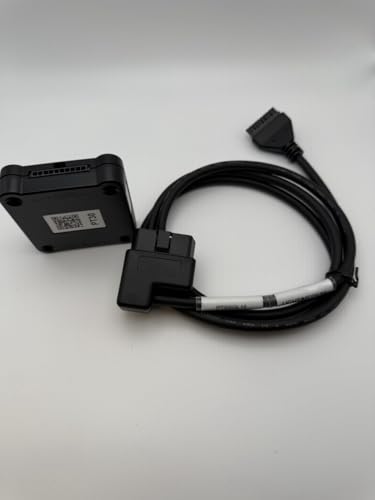
The PT30 ELD Device with a 16-pin OBDII cable is designed to integrate with light-duty pickup trucks that use 16-pin diagnostic ports. It supports compatibility with any ELD/HOS app and works with Bluetooth-enabled phones and tablets, enabling flexible data logging and driver hour tracking. The device is compact and intended for straightforward installation, reducing downtime for fleet operators who need quick setup and reliable logging. Its Bluetooth capability supports real-time data transfer and easy pairing with existing mobile devices, making it suitable for smaller fleets or owner-operators who value simplicity and cross-app compatibility.
PT30 ELD for Heavy Duty Volvo/Mack
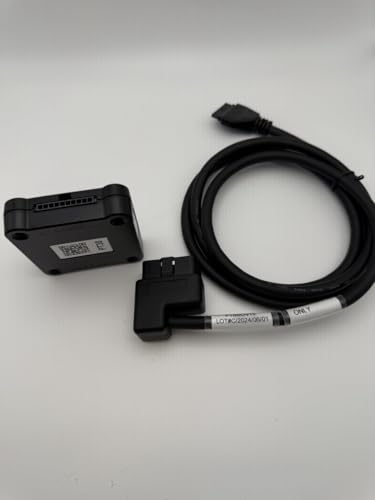
This PT30 ELD with a 16-pin cable is tailored for heavy-duty trucks, including Volvo and Mack models. Its compact, robust design features mounting holes for secure installation in commercial vehicles. The device emphasizes real-time monitoring and engine diagnostics, capable of reading and clearing error codes while tracking key performance metrics. A clear display provides essential identifiers such as serial number, MAC address, and FCC ID, aiding in fleet asset management and compliance audits. The combination of a fixed cable and portable form factor supports permanent or semi-permanent deployments.
ELD Mandate ELD With FMCSA Compliance

The ELD Mandate solution is FMCSA-certified to provide comprehensive compliance management, including logbook control and HOS adherence. It is marketed with an emphasis on easy installation, guided by step-by-step instructions and a free demo. The system includes features to enhance vehicle safety through driver vehicle inspection reports and streamlined record-keeping. It also offers a one-year subscription and premium customer service, making it a practical option for fleets seeking robust compliance tools, reliable support, and a straightforward onboarding process for new drivers and administrators.
J1939 Adapter Cable 9 to 10 Pin for PT30 ELD

The J1939 adapter cable is designed to pair with the PT30 ELD logging device, featuring a 10-pin connection compatible with 9-pin J1939 configurations. This plug-and-play accessory supports flexible integration with a wide range of commercial trucks, providing stable transmission and durability through rugged materials. It enables seamless data flow between the PT30 ELD and vehicle ECMs, helping ensure continuous compliance without requiring substantial wiring changes. The adapter’s robust construction is suitable for fleet use in varied operating environments and climates.
PT30 Black Square Box ELD (No Cable)

The PT30 Black Square Box presents a cable-free ELD option, emphasizing a compact, portable form factor suitable for lightweight deployments. While it emphasizes wireless data transfer, the device maintains a clear display and essential identifiers to support installation and asset tracking. This model is ideal for operators seeking a discreet ELD solution that minimizes installation complexity while providing FMCSA-ready logging and driver-hour management without the need for additional cabling.
Buying Guide
When selecting an ELD for trucking operations, consider the following factors to ensure a fit with your fleet and regulatory needs:
- Compatibility: Check your truck models, ports (16-pin OBDII, J1939), and whether you need a wired or wireless setup. Heavy-duty fleets may benefit from a wired connection for stability, while smaller fleets may prefer wireless solutions for flexibility.
- FMCSA Compliance: Confirm the device is FMCSA-certified with features that support HOS logging, logbook management, and inspection reports. Look for devices offering ease of installation and clear documentation.
- Real-Time Monitoring: Evaluate whether real-time engine data, diagnostics, and performance monitoring are important for your operations. Real-time data can aid maintenance planning and driver coaching.
- Installation and Maintenance: Consider installation complexity, including cable requirements, mounting options, and whether the device supports hot-swapping or easy updates. Durable hardware is important for commercial use.
- Support and Subscriptions: Some ELD solutions include annual subscriptions or premium support. Assess ongoing costs and the quality of customer service, training materials, and on-boarding assistance.
- Scalability: For growing fleets, choose devices that support multiple drivers and vehicles, with easy fleet-wide management and reporting options.
- Security and Privacy: Ensure data is transmitted securely and stored with appropriate access controls. Look for devices that provide authentication and encryption where possible.
In practice, operators should assess whether a device’s features align with their fleet’s duty cycles, maintenance routines, and regulatory obligations. A balance between installation simplicity, data accessibility, and long-term support typically yields the best return on investment for trucking operations seeking reliable ELD compliance and improved fleet management.