Traveling with a trailer often demands reliable off-grid power for cooking, charging devices, and keeping lights on during emergencies. The best generators for travel trailers balance portability, battery capacity, charging speed, and safety features. The following selections cover high-capacity portable power stations, compact solar generators, a robust gasoline generator for heavy-duty needs, and a trailer-mounted accessory to maximize storage and accessibility. This guide helps you compare options and choose power solutions that fit your travel style and camping plans.
| Product | Brand | Type | Key Benefit |
|---|---|---|---|
| EF ECOFLOW TRAIL 300 DC Portable Power Station | EF ECOFLOW | Portable Power Station | 288Wh LiFePO4, 300W output, multiple ports |
| Jackery Portable Power Station Explorer 300 | Jackery | Portable Power Station | 293Wh lithium battery, fast recharge, multiple outlets |
| Bailibatt Portable Power Station 300W | bailibatt | Portable Power Station | 257Wh, dual AC outlets, strong device support |
| EF ECOFLOW TRAIL 200 DC Portable Power Station | EF ECOFLOW | Portable Power Station | 192Wh, 220W total DC output, ultralight |
| MaXpeedingrods 3500 Watt Portable Inverter Generator | maXpeedingrods | Gas-P powered Inverter Generator | 3500 peak, 3000 running watts, RV outlet capable |
Note: The table highlights a mix of battery-powered options for quiet, emission-free camping and a traditional gas generator for extended power needs. Consider your trailer size, typical trip duration, and distances to fueling stations when choosing a setup.
EF ECOFLOW Trail 300 DC: Compact Power, Big Output

The Trail 300 DC delivers a notable 288Wh LiFePO4 pack in a rugged, lightweight shell. It provides a 300W pure DC output with up to 140W per USB-C PD port, and a five-port configuration that can power multiple devices simultaneously. Its compact size makes it ideal for hiking trips, small trailers, and emergency battery needs without adding significant weight. The power station is designed for easy recharging from solar panels or conventional outlets, allowing flexible outdoor use for camping, travel, or disaster readiness.
Key features include: 5-port capability (2 USB-A 12W, 2 USB-C PD3.1 140W in/out, 1 12V car port 10A), 288Wh capacity, and a compact build that weighs and sizes down compared with other units in its capacity class. The Trail 300 DC is suitable for powering essential electronics, small fridges, lights, fans, and charging devices during outdoor excursions or power outages.
Jackery Explorer 300: Quick Recharge, Steady Power
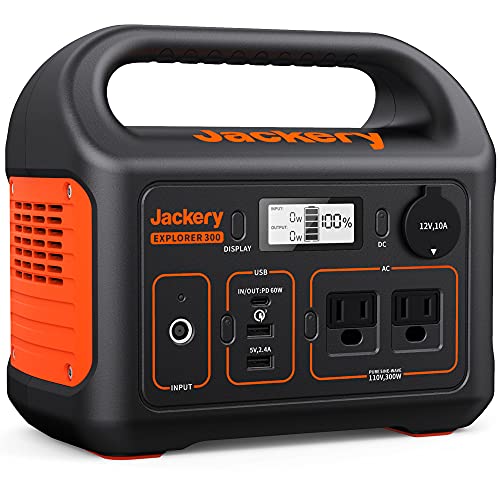
The Explorer 300 packs 293Wh of lithium power into a portable frame that weighs about 7.1 pounds, making it easy to carry along the trailer crawl or campsite. It supports fast charging, with 2 hours to reach 80% via wall outlet and a 60W USB-C port for rapid recharging. It features two Pure Sine Wave AC outlets for safe operation of sensitive electronics, plus a suite of ports (PD USB-C, USB-A, and DC car port) to handle multiple devices at once. The unit is designed for general outdoor use, including camping, hunting, and emergencies, with a focus on reliable, safe power in off-grid settings.
Highlights include: 293Wh capacity, 300W sustained power, multiple charging options (AC, car, solar), and a lightweight design that supports quick setup at campsites or trailer parks where power access is intermittent.
BailiBatt Portable Power Station: Budget-Friendly Power

The BailiBatt unit weighs about 4.6 pounds and offers a 257Wh battery with 300W total capacity, supporting up to eight devices across two AC outlets and multiple DC/USB ports. The device is positioned as a practical power source for camping, home backup, or road travel, offering solid safety protections and a compact footprint that makes it easy to pack for trailer trips. It balances cost, portability, and usefulness for everyday adventures and emergency readiness.
Key aspects: dual 120V AC outlets, 12V DC outputs, lightweight design, and solid thermal and safety features. It’s a sensible pick for travelers who want to power laptops, cameras, drones, and small appliances without a heavy load on their pack or trailer storage.
EF ECOFLOW Trail 200 DC: Ultra-Portable and Light

The Trail 200 DC offers 192Wh of capacity with a total 220W DC output, designed for easy carry during travel and camping. It emphasizes a light, compact design that still supports multiple devices via several USB ports and a strong DC output. This option is well-suited for bundling with solar panels for off-grid trailers, or as a quick-charge backup at a campsite where mains power isn’t readily available. The model is positioned as a family-friendly, shared-power solution for short trips or weekend getaways.
Highlights include a small footprint, robust port assortment, and a focus on portability without sacrificing essential charging options for multiple devices and small appliances during outdoor use.
MaXpeedingrods 3500W Portable Inverter Generator
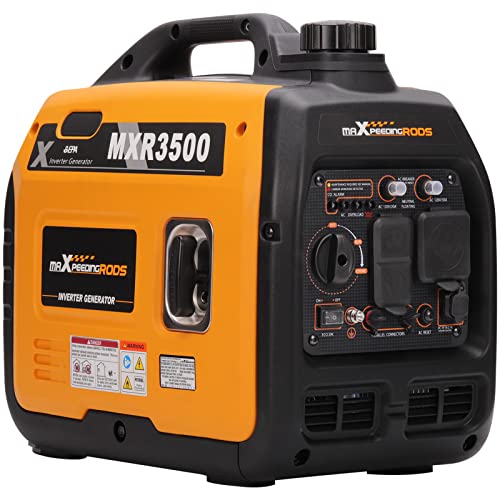
This gasoline-powered inverter generator offers 3500 peak watts and 3000 running watts, making it a compelling option for heavy-duty trailer needs or when steady power is essential for longer durations. The compact design (about 47 pounds) makes it portable enough for RVs and trailers, with multiple outlets including RV-ready 30-amp and standard 120V outlets. It suits trailer setups that require running appliances, air conditioners, or tools during extended trips or power outages. Running time varies by load and fuel quality, but Eco mode helps optimize efficiency on longer outings.
Considerations include: fossil-fuel dependence, noise level, runtime at expected loads, and maintenance needs. This generator is best for users needing reliable, high-wattage power with the flexibility of gasoline power for longer adventures away from electrical hookups.
Buying Guide: Key Purchase Considerations and Comparisons
Power capacity and runtime: For trailers, capacity matters. Battery-based units like the Trail series provide silent operation and clean energy, suitable for refrigerators, lights, and charging devices. If you regularly stay off-grid for days, look for higher watt-hour (Wh) ratings or the ability to expand via solar input. Inverter generators offer high wattage with more instantaneous power; they’re useful for air conditioning, heating, or power-hungry appliances, but require fuel and generate noise.
Portability and weight: If you’re traveling by foot to a dispersed campsite, weight and form factor are crucial. Compact units (192–293Wh) are easy to carry, whereas larger packs (around 288Wh) deliver more power but add bulk. Gas generators tend to be heavier and less portable than battery-powered options but can provide longer run times without recharging.
Charging speed and inputs: How quickly a unit recharges matters, especially on short trips. USB-C PD, fast AC charging, car charging, and solar input compatibility determine how quickly you can bring a depleted battery back to usable levels. A solar-ready unit gives more flexibility for campsite power without grid access.
Ports and compatibility: Ensure the unit has the outlets you need (AC, USB-C, USB-A, 12V car, RV-ready outlets). For trailers with climate control or refrigerators, dedicated high-watt DC outputs and pure sine wave inverters improve compatibility and protect sensitive electronics.
Durability and safety: Look for rugged housings, LiFePO4 chemistry for longer cycle life (as seen in several Trail models), and built-in protection such as short-circuit, overvoltage, and thermal management. BMS (Battery Management System) safeguards are especially important for outdoor use.
Costs and maintenance: Battery-powered systems have lower ongoing costs but higher upfront prices. Gas generators require fuel, routine maintenance, and periodic servicing but can offer longer operation between recharges. Consider total cost of ownership, including refueling, panels, and potential warranty terms.
Ease of use and setup: Quick setup, straightforward charging options, and clear safety instructions enhance reliability. Look for units with intuitive displays, charge indicators, and simple port layouts to reduce setup time at the campsite or in emergencies.
Use-case alignment: If you frequently camp with a small family or group, a multi-port, higher-capacity option like the Trail 300 DC can support several devices at once. Solo travelers or hikers may prefer lighter, compact models like Trail 200 DC or Jackery Explorer 300 for portability. For long trips or limited solar access, a gas-powered generator offers extended runtime and higher output for critical loads.
Summary: Battery-powered portable power stations are ideal for quiet, emissions-free camping with reliable charging for devices and small appliances. Gas-powered generators excel in power-hungry scenarios and longer outages but introduce noise and emissions. A well-rounded trailer setup often combines a primary portable power station for daily needs with a secondary solar charging option and, in some cases, a compact gas generator for peak loads or extended trips.