The mass air flow (MAF) sensor is a critical engine sensor that helps maintain optimal air-fuel balance. A clean, reliable MAF sensor can improve throttle response, increase fuel efficiency, and prevent rough idling. This guide highlights five well-regarded MAF sensor products and clarifies what to look for when choosing a replacement or cleaning solution. Below, you’ll find concise product overviews, a quick comparison, and practical buying tips to help you select the right part for your vehicle.
| Product | Brand | Vehicle Match | Notes |
|---|---|---|---|
| CRC 05110 MAF Sensor Cleaner | CRC | Universal (for most MAF sensors) | Safe for plastic sensors; dries quickly |
| AdvanEX MAF Sensor (Chevy Silverado etc.) | AdvanEX | Chevrolet Silverado, Suburban, Tahoe, Yukon, Cadillac Escalade, etc. 1999-2007/2000-2006 | Replaces OE codes; broad GM fit |
| Gumout 540041 MAF Cleaner | Gumout | Universal MAF sensors | Restores accuracy; improves throttle response |
| Hitachi MAF0031 Sensor | Hitachi | OE-equivalent for supported applications | New OE-equipment part |
| OYEAUTO 22680-7S000 MAF | OYEAUTO | Nissan/Infiniti, Ford, etc. Various models | Clear signal; 100% computer-tested |
CRC 05110 Mass Air Flow Sensor Cleaner
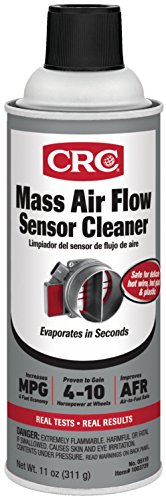
CRC 05110 Mass Air Flow Sensor Cleaner is designed to safely remove contaminants from MAF sensors, helping to restore accurate airflow readings. It claims to increase horsepower, improve air/fuel ratio, and boost miles per gallon. The formula is described as plastic-safe and fast-drying, making it convenient for quick maintenance sessions. While it is labeled as not VOC compliant for California and OTC, these specifications are common in many industrial cleaners and should be considered for local regulations. This cleaner is best used as part of a regular sensor maintenance routine to sustain optimal engine performance.
Key features include rapid drying, compatibility with plastics, and a focus on cleaning rather than replacement. For users seeking a budget-friendly way to refresh a dirty MAF sensor, CRC 05110 offers a broad, easy-to-apply solution that reduces dirt buildup and helps preserve sensor accuracy over time.
AdvanEX Mass Air Flow Sensor MAF for GM Vehicles

AdvanEX’s MAF sensor targets a broad range of GM trucks and SUVs from the early 2000s, including Silverado, Suburban, Escalade, and Tahoe families, with compatibility extending to related Cadillac models. The listed fitment covers multiple VIN ranges and engine configurations, including 5.3L and 6.0L options. The product description emphasizes that the unit replaces numerous OE numbers and is engineered to deliver precise airflow data to the engine control module. This can translate into improved engine performance, better fuel economy, and reduced emissions when properly installed with the vehicle’s intake system.
Design emphasis centers on matching OE performance and durability, with installation details pointing to a direct replacement approach. For buyers seeking a ready-to-install MAF sensor with wide compatibility in GM vehicles, AdvanEX provides a robust option that aligns with many factory specifications.
Gumout 540041 MAF Sensor Cleaner Spray

Gumout’s MAF sensor cleaner is designed to safely remove dirt, oil, and pollen from delicate MAF sensors. By restoring sensor cleanliness, the product aims to improve fuel economy and overall engine performance through more accurate air measurement. The cleaner also highlights enhancements in throttle response and smoother acceleration, as well as reducing rough idle and hesitation caused by contaminated sensors. Gumout positions this product as a practical maintenance solution for a wide range of vehicles, with a focus on preserving sensor integrity during cleaning.
Usage considerations include applying in a well-ventilated area and following the recommended spray and drying times. For vehicle owners dealing with intermittent hesitation or poor idle, Gumout MAF cleaner can be a targeted, inexpensive step to help restore proper air readings without replacing the sensor itself.
Hitachi MAF0031 Mass Air Flow Sensor

Hitachi’s MAF0031 unit is presented as an original equipment part, designed to restore original drivability and meet OE performance and durability standards for supported applications. This positioning emphasizes compatibility and long-term reliability, appealing to buyers who want a sensor that closely mirrors factory specifications. The Hitachi part is often favored for its precision and consistency, particularly in vehicles where OEM-grade sensors are preferred for peak compatibility with the engine management system.
As with any OE-style replacement, compatibility checks are essential. Review vehicle fitment notes and cross-reference OE numbers to ensure a correct match. For owners seeking a sensor that aligns with factory benchmarking, Hitachi MAF0031 represents a solid, dependable option within the aftermarket landscape.
OYEAUTO MAF 22680-7S000

OYEAUTO’s MAF 22680-7S000 is designed to fit a broad set of Nissan, Infiniti, Ford, and related models. The listing notes multiple equivalent part numbers and emphasizes the sensor’s role in measuring air entering the engine to inform the ECU. It highlights clean signal output, thermal stability, and improved fuel efficiency as outcomes of proper MAF operation. The product description also stresses the importance of replacing the air filter and cleaning the intake before installation to optimize readings and prevent sensor errors.
From a reliability perspective, the MAF 22680-7S000 aims to deliver stable readings under demanding conditions. For buyers with mixed-brand vehicles or those seeking a versatile aftermarket sensor, this option presents a flexible fit with emphasis on accurate data transmission to the ECU.
Buying Guide: Key Purchase Considerations
- Vehicle compatibility: Always verify the exact make, model, year, and engine size. Some MAF sensors use manufacturer-specific connectors or calibrations that can affect fit and performance.
- OEM vs aftermarket: OE-replacement options focus on factory specifications and long-term reliability, while aftermarket variants may offer broader fitment but require careful validation.
- Sensor type and sensor life: MAF designs vary by sensor technology and housing. Review whether the product is intended for cleaning (sprays) or direct replacement (sensor unit).
- Installation and maintenance: Clean or replace the air filter and inspect the air intake system before installing a new sensor. Improper installation can cause readings to remain inaccurate.
- Calibration and ECU compatibility: Some vehicles require recalibration after sensor replacement. Check for any required programming steps or trouble code implications.
- Maintenance intervals: In hard-use environments, regular cleaning or inspection may prevent sensor failures and improve fuel economy over time.
- Environmental and regulatory considerations: Some cleaners are not VOC compliant in certain regions; ensure compliance with local regulations before purchase.
In choosing between cleaners and direct sensor replacements, weigh your vehicle’s symptoms (rough idle, hesitation, poor acceleration) against the cost and effort of cleaning versus replacement. For older vehicles with worn connectors or degraded sensor housings, a replacement unit from a trusted brand may deliver more consistent results. By reviewing fitment details, sensor technology, and installation guidance, you can select a solution that aligns with your vehicle’s needs and your maintenance goals.