Noisy lifters can signal lubrication issues or wear in an engine. Oil additives are designed to enhance lubrication, reduce friction, and help free stuck lifters in many cases. The following picks come from trusted brands and are commonly used to address valve train noises, sludge buildup, and wear without needing major repairs. This guide highlights five effective options and what to consider when choosing one for your vehicle.
| Product | Brand | Key Benefit |
|---|---|---|
| Liqui Moly 20004 Hydraulic Lifter Additive | Liqui Moly | Improves lubrication, cleans valve bores |
| Liqui Moly MoS2 Anti-Friction Engine Treatment | Liqui Moly | Forms high-load lubricating film for reduced wear |
| Rislone XTREME LUBE Maximum Performance Engine Treatment | Rislone | Reduces friction and removes sludge |
| TriboTEX Nano Oil Additive | TriboTEX | Diamond-like coating for quieter, smoother performance |
| Lucas Oil Heavy Duty Oil Stabilizer | Lucas Oil | Stabilizes oil, reduces engine drag |
Liqui Moly 20004 Hydraulic Lifter Additive 300 ml

Liqui Moly 20004 is designed to improve the lubrication properties of engine oil and help clean valve bores. It’s suitable for vehicles with turbochargers and catalytic converters. By enhancing film strength and reducing wear in valve trains, this additive targets lifter noise at the source. It can be used with conventional and synthetic oils when following the manufacturer’s directions. The product emphasizes cleaning as well as lubrication, potentially aiding noisier lifters caused by varnish or deposits.
Liqui Moly MoS2 Anti-Friction Engine Treatment

This MoS2-based additive forms a high-load friction film across engine surfaces, including bearings and valve train components. By reducing metal-to-metal contact at high RPM, it can help quiet lifter chatter and improve overall smoothness. It is marketed as universal and compatible with most motor oils, offering a protective layer that endures under demanding conditions. Users should note the need for thorough mixing with oil and adherence to dosage guidelines.
Rislone XTREME LUBE Maximum Performance Engine Treatment

The XTREME LUBE formula aims to reduce friction and wear across a broad temperature range, while also removing and preventing sludge that can affect valve lifters. By keeping oil flowing freely, it supports quieter operation and can help sustain engine tolerances. The product emphasizes filtration-ready deposits and suspension of contaminants, which can be beneficial for engines with lifter noise caused by varnish or sludge buildup. It’s positioned as a robust option for older or higher-mileage engines.
TriboTEX Nano Oil Additive Car Engine Treatment
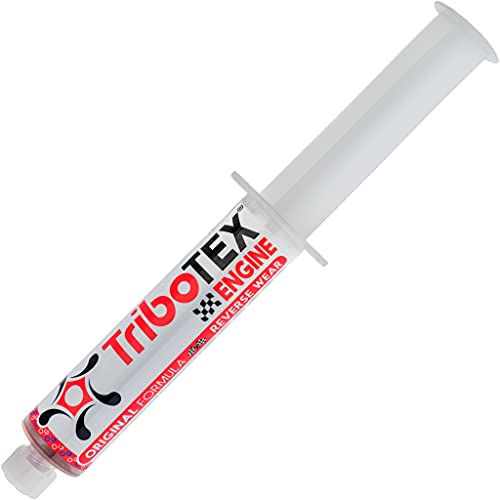
TriboTEX presents a groundbreaking engine oil additive using synthetic nanoparticles developed with support from major U.S. research programs. It aims to reverse wear by building a diamond-like carbon coating on bearing surfaces. The result is a quieter, smoother engine with potential improvements in high-mileage vehicles. Because it is universal, it can be used in gas or diesel engines, making it a flexible choice for mixed fleets or single-car owners seeking long-term wear protection.
Lucas Oil Heavy Duty Oil Stabilizer

Lucas Oil’s Heavy Duty Oil Stabilizer is a well-known option designed to reduce engine drag and stabilize oil during operation. It is promoted as a general-purpose enhancer, helping to minimize oil consumption and improve lubricity, particularly in older engines or high-mileage motors. The product emphasizes reduced friction and smoother operation, potentially aiding lifter noise by maintaining more consistent oil film thickness across lifter surfaces.
Buying Guide
- Engine type and age: Older engines with sludge buildup or worn lifters may benefit more from products that clean deposits and improve film formation, such as detergents combined with MoS2 or diamond-like coatings.
- Oil type compatibility: Check whether the additive is compatible with mineral, synthetic, or synthetic-blend oils to avoid incompatible reactions or dilution of protective films.
- Noise vs. wear focus: If lifter noise stems from varnish or deposit buildup, cleaners and friction-reducing films may help. If wear is significant, anti-wear additives with MoS2 or nanocarbon coatings can provide longer-term protection.
- High-temperature performance: For engines operating under high loads or RPMs, prioritize additives with robust film strength and heat resistance to maintain lubrication integrity.
- Regular maintenance: Treating a noisy lifter with an additive is often a supplementary approach. If noise persists after several oil changes, consider mechanical inspection for valve lash, lifter wear, or camshaft issues.
- Usage guidelines: Adhere to manufacturer dosage and mixing instructions. Overuse can alter oil viscosity and affect engine performance, especially in newer engines with tight tolerances.
- Vehicle impact: Gasoline and diesel engines may respond differently to certain chemistries. Universal additives span a range of engines, but always verify suitability for your specific model.
Choosing the right oil additive involves weighing the engine’s condition, oil type, and driving demands. The options above cover a spectrum—from cleaners and friction modifiers to advanced coatings—that can address noisy lifters and improve overall lubrication. Always consult your vehicle’s manual and, if in doubt, seek a professional assessment before applying any additive to a high-mileage or critical engine system.