Choosing the right oil additive for synthetic oils can improve protection, reduce wear, and help maintain optimal engine cleanliness. The following picks represent popular options that are compatible with synthetic formulations, backed by manufacturers’ claims and typical user feedback. This guide compares key features to help you decide which additive might best fit your vehicle’s needs.
| Product | Brand | Notes |
|---|---|---|
| Lucas LUC10130 Synthetic Oil Stabilizer. Quart | Lucas Oil | Universal fit, designed for synthetic and non-synthetic oils |
| Lucas Oil 10001 Heavy Duty Oil Stabilizer – 1 Quart | Lucas Oil | Formulated with petroleum-based base for wide compatibility |
| Liqui Moly MoS2 Anti-Friction Engine Treatment | Liqui Moly | MoS2 film-forming anti-friction additive |
| Marvel Mystery Oil 53835 Synthetic Motor Treatment | Marvel Mystery Oil | Sludge prevention, seal conditioning, extended oil life |
| REV-X Zinc ZDDP Oil Additive – 2 fl. oz. | REV X | Anti-wear coating for flat tappet engines, break-in use |
Note: The product descriptions reflect typical capabilities reported by manufacturers and common performance expectations. Always follow the manufacturer’s recommendations for your specific engine and oil type.
Lucas LUC10130 Synthetic Oil Stabilizer

Product overview: Lucas Oil LUC10130 is marketed as a universal stabilizer for both synthetic and conventional oils. Its formulation aims to reduce friction and wear by boosting oil film strength. Suitable for engines that see varied driving conditions, this quart-size bottle is designed for ease of use in normal oil change routines. Its compatibility with synthetic oils makes it a common choice for owners looking to supplement protection without switching oil brands. In practice, users report smoother operation and improved oil stability under moderate loading, though results can vary by engine type and driving style.
Lucas Oil 10001 Heavy Duty Oil Stabilizer

Product overview: This heavy-duty stabilizer is advertised as a petroleum-based additive designed to reduce viscosity breakdown and wear under tough operating conditions. It is positioned as compatible with a wide range of engines and oil types, including synthetic oils. The main benefit cited is extended engine life through stabilized oil pressure and reduced friction. Real-world performance may be influenced by engine design and maintenance history, but the product is often chosen for high-mileage or heavily loaded engines seeking additional protection against wear and sludge formation.
Liqui Moly MoS2 Anti-Friction Engine Treatment

Product overview: Liqui Moly MoS2 is a widely used anti-friction additive that forms a lubricating film on metal surfaces to reduce wear, particularly under high-load or high-RPM conditions. The 300 ml can is designed for universal fit across most gasoline engines using conventional or synthetic oils. Users often note improved engine feel at higher RPMs and quieter operation after a treatment, along with a perceived reduction in friction-related heat. While MoS2 formulations perform well in many scenarios, results can depend on oil type, engine status, and driving style.
Lucas Oil 10131 Pure Synthetic Oil Stabilizer

Product overview: This full-synthetic stabilizer targets both dry starts and wear by stabilizing oil pressure and helping to reduce temperature rise. It is marketed to extend engine life by maintaining consistent lubrication and reducing oil degradation over time. The gallon-size variant is well-suited for users who perform frequent oil changes or service multiple vehicles. While the additive is compatible with synthetic oils, effectiveness is often tied to engine condition, maintenance cadence, and seasonal driving patterns.
REV-X Zinc ZDDP Oil Additive

Product overview: REV-X Zinc ZDDP additive focuses on forming a protective anti-wear layer at friction points, which is especially valuable for engines with flat tappets or during break-in periods. It is positioned as a targeted solution for preventing metal-to-metal contact and extending engine life under heavy load or during initial break-in. Users often apply it in new or rebuilt engines or during performance-oriented driving. As with any additive, the gains depend on engine design, oil type, and adherence to recommended usage guidelines.
Valvoline FlexFill Advanced Full Synthetic 75W-90 Gear Oil
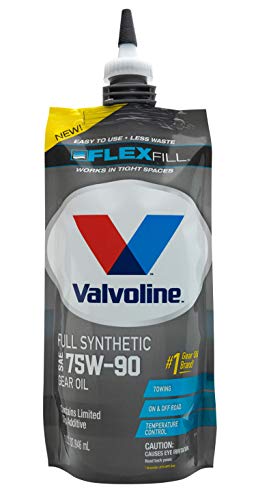
Product overview: Although Gear Oil is not a traditional engine additive, this Fluid from Valvoline is included here for consideration by some synthetic oil users who seek enhanced gear protection in manual or limited-slip applications. The 75W-90 formulation aims to deliver smoother operation, better noise suppression, and improved wear protection for gears. For engines primarily relying on synthetic engine oil, evaluate whether gear oil additives align with your drivetrain needs and service intervals.
Buying Guide: Key Purchase Considerations
- Engine type and oil compatibility: Verify whether the additive is compatible with your engine’s oil type (synthetic, conventional, or blend) and with any unique engine design features such as flat tappets or diesel configurations.
- Application goals: Decide whether your priority is wear protection, sludge prevention, fuel efficiency, or cold-start performance. Different formulations emphasize different benefits.
- Formulation and base chemistry: Petroleum-based stabilizers, zinc-based anti-wear compounds (ZDDP), and solid lubricants like MoS2 each offer distinct protection mechanisms. Consider your vehicle’s age and maintenance history when selecting.
- Oil change intervals and maintenance: Some additives are positioned for extended life and reduced wear, while others are intended for break-in or high-load conditions. Align with your maintenance schedule.
- Driving conditions: Severe driving—short trips, heavy loads, hot climates—can influence additive effectiveness. Choose a product designed for your typical usage patterns.
- OEM guidance and warranties: Check vehicle manufacturer recommendations and warranty terms, as some additives may affect coverage or require adherence to specific oil types.
- Usage limits: Adhere to the recommended dosage and do not exceed suggested quantities, which can impact oil viscosity and engine performance.
Across these options, users should approach oil additives as supplementary protection rather than a substitute for proper maintenance. Selection should reflect engine type, driving habits, and the specific protection goals for longevity and reliability.