Finding a reliable plastic fuel tank repair kit is essential for drivers who want a fast, safe fix without expensive welding or downtime. This article reviews five highly compatible options, highlighting each kit’s strengths, ease of use, and suitability for plastic tanks. It also includes a practical buying guide to help you choose the right kit for your vehicle and climate conditions.
| Product | Brand | Type | Approx. Use |
|---|---|---|---|
| Permatex Plastic Tank Repair Kit | Permatex | Plastic tank repair kit | Plastic fuel tanks; quick repairs |
| AUTOVIC Rear Plastic Fuel Tank Repair Kit | AUTOVIC | Plastic tank repair kit | Chevy Colorado, GMC Canyon 2004-2005 |
| Blue Magic 6522KTRI QuikSteel Plastic Tank Repair Kit | Blue Magic | Plastic tank repair kit | General plastic tanks |
| Hzutloer 2.87oz Instant Fuel & Water Tank Repair Adhesive Kit | Hzutloer | Adhesive repair kit | Fuel, water tanks; high-temp resistance |
| J-B Weld 2110 Metal Fuel Tank Repair Kit | J-B Weld | Metal tank repair kit | Metal tanks; alternative if needed |
Permatex Plastic Tank Repair Kit

Permatex’s Plastic Tank Repair Kit is designed specifically for plastic fuel tanks, offering state-of-the-art components and clear, photograph-supported instructions. The kit focuses on quick, visual guidance to ensure accurate surface preparation and robust adhesion. It is suitable for minor cracks or punctures and includes materials that help improve visibility in poor weather conditions, which can be important for safe, on-road repairs. The combination of easy-to-follow steps and high-clarity guidance makes it a practical option for DIY repairs in a home garage or roadside setting.
AUTOVIC Rear Plastic Fuel Tank Repair Kit
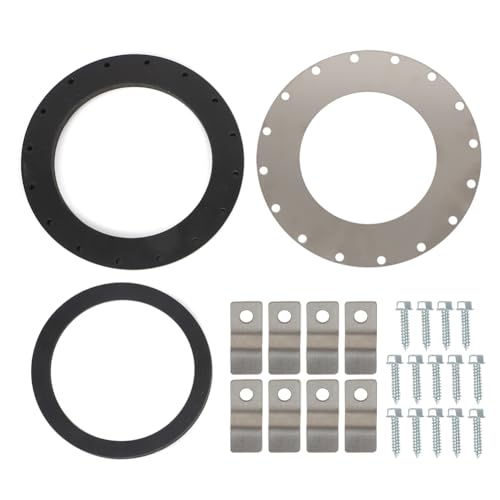
AUTOVIC’s Rear Plastic Fuel Tank Repair Kit is aimed at Chevy Colorado and GMC Canyon models from 2004-2005, but its plastic tank repair approach can be applicable to other similar tanks. The kit emphasizes a straightforward, factory-like repair using stainless steel and rubber components. It’s designed to address punctures or structural damage without disassembly, reducing downtime. For owners of compatible models, this kit provides a compact, model-specific solution with durable materials and a focus on reliable, permanent repairs.
Blue Magic 6522KTRI QuikSteel Plastic Tank Repair Kit

Blue Magic QuikSteel is a well-known epoxy repair system that also offers a plastic tank repair kit variant. It is designed for fast, strong repairs on plastic fuel tanks, using epoxy putty reinforced with corresponding hardening agents. The kit’s emphasis on a quick setup and a robust cured bond makes it suitable for temporary-to-semi-permanent fixes, especially in environments where downtime is costly. It’s straightforward for DIYers and can be sanded and finished after curing for a cleaner repair appearance.
Hzutloer 2.87oz Instant Fuel & Water Tank Repair Adhesive

Hzutloer offers a high-temperature resistant adhesive designed for both fuel and water tanks. Its formulation supports stable adhesion across a wide temperature range (-50°C to 180°C) and claims long-lasting bond strength to seal ruptures and holes. The product emphasizes durability, resistance to oil and water exposure, and ease of application for quick DIY repairs. It can be used on various plastics and composite materials commonly found in fuel system components, making it a versatile option for urgent field repairs.
Permatex 09101-6PK Fuel Tank Repair Kit

Permatex’s multi-pack offers a metal-focused repair solution that can be contrasted with plastic-oriented kits. It addresses cracks and holes in metal fuel tanks within minutes, and the resin cures within a short period. While it is not intended for plastic tanks, it provides a benchmark for material-specific repair performance and can serve as a useful reference when evaluating other kits for different tank materials.
Buying Guide: Key Considerations For Plastic Fuel Tank Repairs
- Tank material compatibility: Confirm the kit is designed for plastic tanks or explicitly states suitability for your vehicle’s tank material. Plastic tanks often require flexible, resin-based or epoxy formulations that bond well to polyethylene or polycarbonate surfaces.
- Repair type and size: Consider the nature of the damage (cracks, punctures, or tears) and the maximum hole or crack size the kit can reliably seal. Some kits are better suited for small surface cracks, while others handle larger holes.
- Ease of use: Look for clear instructions, ideally with photographs or diagrams, and components that enable surface preparation, application, and curing with minimal tools.
- Cure time and handling: Note the time required to set and cure. Quicker cures reduce downtime, but ensure sufficient strength before returning to service.
- Temperature resistance: Fuel tanks experience temperature fluctuations. Select adhesives or putties rated for a broad temperature range, ensuring performance in your climate.
- Durability and stability: Consider resistance to gasoline, ethanol blends, oils, water, and weather exposure. A durable repair should resist re-cracking and wear over time.
- Application method: Some kits require tank removal, which adds labor; others can be applied without removal. Choose based on your skill level and available tools.
- Surface preparation: Effective repairs depend on cleaning and roughening the surface. Ensure the kit provides prep materials or recommendations for best adhesion.
- Availability and support: Availability of replacement parts, adhesives, or epoxy systems matters for long-term maintenance. Access to customer support can be helpful for troubleshooting.
- Warranty and safety: Check for product warranties and any safety precautions, especially when working with gasoline and other fuels.
- Material compatibility: Plastic tanks require compounds that maintain elasticity and resist fuel exposure; avoid rigid formulations that may crack under stress.
- Environmental conditions: Temperature, humidity, and fuel exposure impact cure and adhesion; choose products that perform in your local environment.
- Repair planning: For larger damage, consider staged repairs or professional assistance to avoid future leaks or safety risks.
This guide presents a spectrum of options—from purpose-built plastic tank repair kits to versatile, high-temperature epoxies. When selecting a kit, prioritize compatibility with your tank material, the extent of damage, and your ability to perform the repair safely. Always follow the manufacturer’s instructions for best results and schedule a professional inspection if leaks persist after repairs.