When camping, dependable power can enhance comfort and safety without tethering you to a campsite. This guide highlights top portable generators that balance weight, noise, efficiency, and runtime for outdoor adventures. Each option is suitable for camping, emergency use, or RV trips, with features designed to protect sensitive devices and extend fuel life. Read on to compare compact inverter models and robust power stations that fit your outdoor lifestyle.
| Product | Type | Key Benefit | Approximate Runtime (at load) |
|---|---|---|---|
| WEN 3600-Watt Portable Inverter Generator | Inverter | Lightweight, quiet, RV-ready | Up to 9–7 hours (varies by load) |
| Jackery Explorer 1000 v2 Portable Power Station | Solar Generator | High capacity, fast charge, off-grid friendly | Up to ~1,000W continuous; 1 hour fast charge |
| PowerSmart 4400-Watt Portable Inverter Generator | Inverter | High power with long runtime | About 11 hours at 25% load |
| AIVOLT 1600W Super Quiet Inverter Generator | Inverter | Extremely quiet and lightweight | Up to 8 hours at 25% load |
| Efurden 2500-Watt Inverter Generator | Inverter | CO sensor, multiple outlets | Up to 10 hours at 25% load |
Note: Runtimes vary with load, fuel type, and conditions. All models shown prioritize clean power for electronics and portability for outdoor use.
WEN 3600-Watt Portable Inverter Generator

The WEN 3600-Watt model delivers a surge watt capacity of 3600 and 2900 rated watts, suitable for camping appliances and RV setups. It produces clean power to protect sensitive electronics like smartphones and laptops. Weighing about 46 pounds, its ultralight frame aids transport and storage for backpacking or car camping.
Key features include a compact 149cc engine, RV readiness, and a fuel shut-off system for safe storage. Its inverter technology helps maintain stable output, reducing risk of device damage during outdoor use. This model is ideal for campers needing reliable, portable power without heavy equipment.
WEN 4800-Watt Portable Inverter Generator

This larger WEN model adds a 224cc engine with surge watts up to 4800 and 4000 running watts. It provides clean power ideal for powering multiple devices and sensitive electronics. The fuel efficiency is enhanced by a compact 1.9-gallon tank, offering several hours of operation at half load, making it a strong option for longer camping trips or RV use.
Jackery Explorer 1000 v2 Portable Power Station

The Explorer 1000 v2 combines portability with substantial capacity: 1,500W AC output and a 3,000W surge, powered by a 1,070Wh LiFePO4 battery. It weighs 23.8 pounds and includes a foldable handle for easy transport. It can power multiple appliances—such as small AC units and refrigerators—during camping or emergencies. Fast charging allows from 0% to full in about one hour under emergency charging conditions via the Jackery app, and it’s designed for longevity with a durable battery system.
PowerSmart 4400-Watt Portable Inverter Generator

With a starting wattage of 4400W and a rated 3600W, this PowerSmart model powers home, RV, or outdoor job sites. It offers a generous runtime of about 11 hours at 25% load thanks to a 1.6-gallon tank. The unit operates quietly at 76 dB from 23 feet at 25% load, making it suitable for camping in areas with noise sensitivity requirements. It also supports EPA compliance for environmental standards.
Portable Power Station 300W Bailibatt

The BailiBatt 300W power station weighs only 4.6 pounds and provides a 69,600mAh capacity. It supports multiple small devices via dual 120V pure sine wave AC outlets and 12V/120W DC outputs. Intended for camping, home backup, and travel, it delivers stable power for laptops, phones, cameras, and other essentials, with a total 300W capacity and supportive battery cycling for extended use.
Jackery Portable Power Station Explorer 300

The Explorer 300 offers 293Wh of lithium battery capacity with two Pure Sine Wave AC outlets for safe, stable power up to 300W. It weighs 7.1 pounds and supports quick charging through wall outlets, car outlets, or optional solar charging. It’s compact enough for hiking trips while still delivering enough power for essential devices and small appliances on the go.
AIVOLT 1600W Super Quiet Inverter Generator

This AIVOLT model delivers 1600 starting watts and 1260 running watts with a noise level around 57 dBA at 23 feet. Weighing about 28 pounds, it’s designed for portability and easy storage. The generator includes an eco mode to stretch fuel efficiency and ensure it remains a practical choice for camping, tailgating, or power outages, while remaining safe for sensitive electronics.
Efurden 2500-Watt Inverter Generator
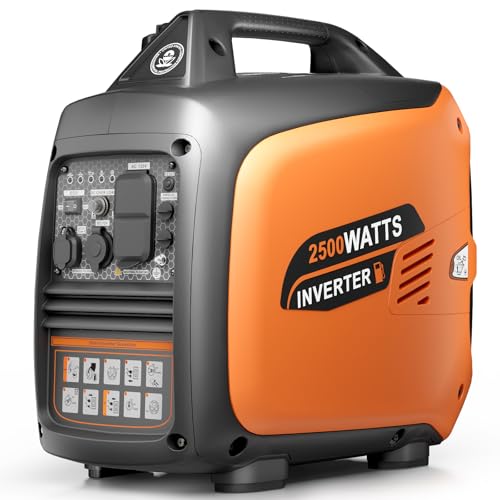
The Efurden 2500-Watt model provides 2500 starting watts and 1800 running watts with CO sensor and multiple outlets (2x 120V, 1x USB, 1x Type-C). It features a 1.1-gallon fuel tank and approximately 10 hours runtime at 25% load. It emphasizes clean power (less than 3% THD) suitable for laptops, cameras, and other electronics critical for camping and home backup scenarios.
Buying Guide: Key Purchase Considerations
- Power needs and outlet types: Assess your essential devices and choose a model with adequate continuous wattage and the right outlets (AC, USB-C, DC, CO sensors for safety).
- Payload and portability: For car camping, light weight matters. Backpacking or kayak camping may require compact inverter generators or power stations under 30 pounds.
- Fuel efficiency and runtime: Look for larger tanks or battery capacity if you plan extended trips. Inverter generators typically offer cleaner power and improved efficiency.
- Noise level: Quiet operations are important in campgrounds. Compare dBA ratings at standard distances to ensure minimal disturbance.
- Durability and safety: Features like CO sensors, automatic shutoff, and rugged construction improve reliability in outdoor conditions.
- Charging options: Battery-based power stations support fast charging, solar compatibility, and multiple charging modes, enhancing off-grid flexibility.
- Longevity and warranty: Consider battery life, warranty terms, and service availability for long-term camping use.
- Budget and maintenance: Balance upfront cost with expected maintenance and fuel costs over time to find the best value.
These considerations help campers pick a generator that fits their trips, whether they need a compact inverter for a tent site, a larger unit for an RV, or a versatile power station for off-grid adventures.