The following article highlights five top solar generators well-suited for RV enthusiasts. Each option balances capacity, weight, recharge speed, and compatibility with solar panels to keep essentials powered during trips or outages. Read on to compare features and choose the best fit for your RV adventures.
Summary Of Chosen Products
| Product | Brand | Capacity | Output | Key Benefit |
|---|---|---|---|---|
| Jackery HomePower 3000 | Jackery | 3072Wh | 3600W (7200W surge) | Excellent home backup and RV readiness with fast UPS |
| Anker SOLIX F2000 (PowerHouse 767) | Anker | 2400W | Up to 3600W surge | Long lifespan and high device capacity with RV-friendly ports |
| Jackery Explorer 1000 v2 | Jackery | 1070Wh | 1500W | Lightweight, ultrafast charging and durable LFP battery |
| Jackery Solar Generator 2000 v2 | Jackery | 2042Wh | 2200W | Compact 2kWh option with robust solar charging |
| BLUETTI AC200L | BLUETTI | 2048Wh | ≈2400W | Expandable to high capacity with multiple expansions |
Note: All products listed are suitable for RV use and offer various charging methods, including solar panels, wall outlets, and car adapters. Always verify compatibility with your existing RV electrical setup and local regulations before use.
Jackery HomePower 3000 Portable Power Station

The Jackery HomePower 3000 delivers a robust 3600W continuous output with a 7200W surge and a 3072Wh LFP battery. It is designed for essential home backup and RV power needs, supporting devices like refrigerators, fans, lights, and routers during outages. The unit features a UL-listed UPS that switches in ≤20ms, helping keep critical appliances running without interruption during emergencies. It also notes potential tax credits tied to residential clean energy programs, which may influence total ownership cost. This model blends capacity with reliable backup performance for RV travelers seeking steady power on the road or at a campsite.
Anker SOLIX F2000 Portable Power Station (PowerHouse 767)
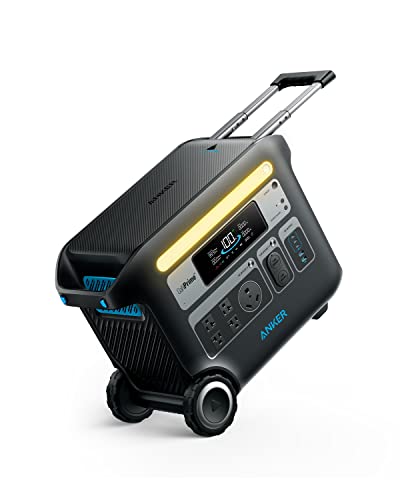
The Anker SOLIX F2000, also marketed as PowerHouse 767, provides strong 2400W output with a 12-device capacity including RV-friendly ports. It leverages GaNPrime technology for efficient charging and a long lifespan, with claims of powering many devices simultaneously through an array of USB-C, USB-A, and AC outlets. Its quick recharge capability enables rapid top-offs, making it well-suited for RV trips where time at the campsite is limited. SurgePad technology helps handle high-wattage appliances without tripping the system.
Jackery Explorer 1000 v2 Portable Power Station

The Explorer 1000 v2 packs 1,070Wh of LiFePO4 energy storage with a 1,500W continuous AC output and a 3,000W surge. It is designed for camping, RVing, and emergency off-grid living, combining portability with a durable battery chemistry for long life. One-hour fast charging and ChargeShield 2.0 technology provide safer, faster top-ups via supported charging sources. The device emphasizes a light footprint (about 23.8 lbs) for easy transport and reliability for longer trips where weight matters, making it a practical option for RV enthusiasts seeking a balance of capacity and mobility.
Jackery Solar Generator 2000 v2

The Jackery Solar Generator 2000 v2 provides 2,042Wh of LiFePO4 storage with 2,200W continuous output. Its 80% charge in 66 minutes with AC input and full charging in just over 1.5 hours via Emergency Super Charging offers rapid readiness, which can be essential for RV trips where access to power may be sporadic. Solar charging is supported, with efficient options to reuse sunlight for ongoing energy supply on the road. The compact design and multiple ports ensure compatibility with a range of RV appliances and devices while on the move.
BLUETTI AC200L Portable Power Station

The BLUETTI AC200L offers 2,048Wh LiFePO4 capacity with expandable options up to 8,192Wh using multiple B-series batteries. It supports a 2,400W continuous output and can power RV utilities and appliances during trips or outages. The system includes a 30A RV outlet and allows fast charging with solar or AC inputs. Its expandable architecture appeals to RV users who want to scale capacity as their energy needs grow, especially for longer excursions or full-timing setups where a larger power reserve is desirable.
Buying Guide: Key Purchase Considerations For RV Power Systems
- Capacity vs. weight: RV use benefits from a balance between watt-hours and portability. Larger capacities keep fridges and essentials running longer but may add weight and bulk.
- Power output and surge rating: RV scenarios often demand peaks (air conditioners, microwaves, hairdryers). Look for models with higher continuous output and surge capacity to handle startup loads.
- Battery chemistry and lifespan: LiFePO4 batteries offer longer life cycles and better thermal stability, which suits RV travel where temperatures vary.
- Charging options: Assess solar panel compatibility, MPPT efficiency, and wall charging speed. Consider fast charging features if you frequently connect to AC power during stops.
- UPS and reliability: For RVs near living spaces or while charging sensitive devices, UPS features prevent interruptions during outages.
- Expansion potential: If you plan longer trips, expandable battery options can future-proof your setup without replacing the unit.
- Ports and outlets: Ensure the unit provides enough AC, USB-C, USB-A, and 12V outputs to power your RV devices, including fridge, lighting, routers, and outdoor gear.
- Tax credits and incentives: Some models note eligibility for energy credits; verify current programs and requirements with local utilities and tax authorities.
- Weight and portability: For roof- or cabinet-mited systems, lighter units with integrated panels simplify installation and transport.
Choosing the right solar generator for an RV involves weighing capacity, charging speed, and the range of outlets against travel plans and weight limits. The selections above cover a spectrum from compact, lightweight options suitable for weekend trips to high-capacity systems designed for extended off-grid adventures. Evaluate your critical loads, planned travel duration, and available solar setup to identify the best match for your RV lifestyle.