Choosing the right car sound deadener can dramatically reduce road noise, vibrations, and heat transfer. This guide highlights five top options, explaining what makes each effective for DIY installation and daily driving comfort. Read on to compare materials, thickness, and application tips to help you pick the best fit for your vehicle.
| Product | Brand | Thickness / Area | Notes |
|---|---|---|---|
| KILMAT 80 mil 36 sqft | KILMAT | 80 mil / 36 sq ft | Thicker, strong self-adhesive butyl foil; lightweight. |
| GOSCHE 394 mil 16 sqft | GOSCHE | 394 mil / 16 sq ft | Very thick; high insulation and damping. |
| Amazon Basics Car Sound Deadening Mat, 18″ x 32″, 9-Piece | Amazon Basics | 9 pieces | Balanced option with reflective foil. |
| KOIKEY 197 mil 8.7 sqft | KOIKEY | 197 mil / 8.72 ft² | Closed-cell foam with heat resistance. |
| Amazon Basics Car Sound Deadening Mat, 14.5″ x 10″, Pack of 10 | Amazon Basics | 10 pieces | Compact, versatile pack for smaller areas. |
KILMAT 80 mil 36 sqft Car Sound Deadening Mat

KILMAT 80 mil car sound deadening mat features self-adhesive butyl and foil construction designed for DIY installation. The 80 mil thickness is marketed as delivering 1.5 times more insulation compared to thinner options, aiming to improve overall noise suppression and vibration dampening. Each square foot weighs about 0.5 pounds, supporting efficient coverage without excessive weight. The material is described as lightweight for easy handling during installation and is commonly used on flat panels and doors to reduce road noise and rattle.
GOSCHE 394 mil 16 sqft Sound Deadener for Car

GOSCHE offers a substantial 394 mil thickness across 16 square feet. The product uses a PE and aluminum composite designed to maximize sound insulation and vibration dampening. Reported specifications emphasize broad coverage and strong noise reduction, with thicker material typically translating to improved performance on engine bays, floors, and trunk areas. This option aims to provide robust thermal and acoustic benefits at a relatively affordable price point for those seeking a high-thickness solution.
Amazon Basics Car Sound Deadening Mat, 18″ x 32″, 9-Piece
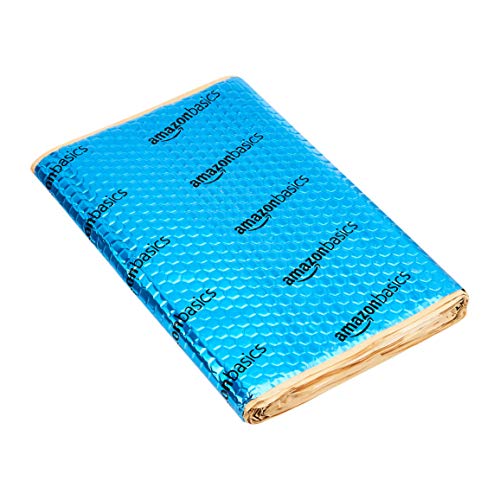
Amazon Basics presents a nine-piece set of car sound deadening mats with a butyl rubber-based substrate and reflective front foil. The self-adhesive backing simplifies installation, enabling users to target door panels and floor pans. The combination of butyl material and foil helps reduce both noise and heat intrusion, contributing to a quieter interior and improved thermal comfort. This option emphasizes ease of use and broad coverage in a compact kit.
KOIKEY Car Sound Deadening Material Mat

KOIKEY provides an alternative approach with 197 mil thick closed-cell PE foam sound deadening mats. Pack coverage totals 8.72 square feet across eight pieces. The formulation emphasizes effective sound and heat insulation, with a wide operating temperature range and strong resistance to heat transfer. Applications typically include floors, doors, and panels where vibration suppression is a priority, offering a balance between thickness and area coverage.
Amazon Basics Car Sound Deadening Mat, 14.5″ x 10″, Pack of 10

This Amazon Basics pack includes ten smaller sheets designed for targeted coverage on smaller panels or tight spots. The set uses a butyl-based substrate with self-adhesive backing and reflective foil to aid thermal insulation. The pack-oriented format makes it practical for users who need to address multiple small areas or retrofit on limited surfaces, offering modularity and cost-effective expansion for larger projects.
Buying Guide
- Material composition: Look for butyl-based mats for strong damping and adhesive strength, or PE/aluminum composites for heat resistance and structural support.
- Thickness versus coverage: Thicker materials (e.g., 394 mil) typically provide better dampening but cover less area; balance thickness with your target surfaces.
- Adhesion and installation: Self-adhesive backings simplify DIY installation, but proper surface prep (clean, dry, and smooth) improves longevity and performance.
- Thermal insulation: If interior heat reduction is a goal, choose mats with reflective foil or aluminum layers to minimize heat transfer.
- Flexibility and shape: For complex panels, consider multiple smaller sheets or a product with flexible edges to fit irregular contours.
- Durability and temperature range: For vehicles exposed to extreme temperatures, select mats rated for a wide temperature range and rugged construction.
- Application areas: Doors, floors, trunks, and wheel wells each benefit from different thicknesses and coverage; plan a phased approach to cover high-noise zones first.
- Budget and value: Higher thickness often yields better dampening but at a higher cost; compare per-square-foot performance and overall project scope.