The best outboard kick up plates help protect your lower unit, improve engine mounting options, and give you more control in shallow water. This guide highlights five top options, explains who they’re best for, and compares their key features. Ideal buyers include anglers, boaters navigating shallow bays, and DIY enthusiasts who want better engine clearance without sacrificing performance.
Summary of selected products:
| Product | Best For | Key Benefit |
|---|---|---|
| Bob’s Machine Kick-Back Jac Plate | Moderate HP outboards | Delrin rollers for smooth operation and safety tether |
| Winibo 6″ Electric Hydraulic Jack Plate | Shallow-water navigation up to 200 HP | Hydraulic lift with kick-back for shallow runs |
| Winibo 8″ Adjustable Jack Plate | Long engines on short transoms | 4-inch vertical range, high-strength aluminum |
| Outboard Transom Reinforcement Backing Plate | Universal reinforcement | Robust 0.2″ aluminum backing |
| RUIANOMG MJ-1-DP Jack Plate 4″ Setback | Small engines on larger boats | 4″ setback, manual lift |
Bob’s Machine Kick-Back Jac Plate

What it is: A kick-back jac plate rated for outboards up to 115 HP with Delrin rollers and bearings to ensure smooth operation. It includes a motor tether attachment point for safety during operation or towing.
Best for: Small-to-mid-range outboards where smooth gear movement and security tethering matter. Ideal for boaters who want reliable, simple installation with a focus on safety features.
Why chosen: This plate emphasizes clean, simple mechanics with durable rollers, reducing friction and wear. The tether point adds a safety layer for pilots who stray into rough conditions or require secure towing during transport.
Limitations to note: Limited to engines up to 115 HP. If you run higher horsepower outboards, consider a higher-capacity option.
Winibo 6″ Electric Hydraulic Jack Plate

What it is: A 6.69-inch vertical hydraulic stroke jack plate with a 30-degree kick-back mechanism and locking pins. It supports engines up to 200 HP and includes grease fittings at pivot points for maintenance access.
Best for: Deeply adjustable setups and frequent shallow-water navigation where precise engine height and kick-back protection are valuable. Suitable for boats that frequently encounter shallows or submerged obstacles.
Why chosen: The hydraulic lift offers precise control and a substantial range of motion, while the kick-back feature helps guard the lower unit when negotiating obstacles. Locking pins help during reverse or trailering.
Limitations to note: Installation complexity is higher than manual plates, and the setup requires power and maintenance of hydraulic components. Consider electrical availability and service intervals before purchase.
Winibo 8″ Adjustable Jack Plate (JP5800C)

What it is: An 8-inch adjustable setback jack plate crafted from 6061 aerospace aluminum with T6 heat treatment for corrosion resistance. It provides a full 4-inch vertical range through top adjustment bolts.
Best for: Boats needing longer shaft compatibility on shorter transoms and operating in shallower water conditions. It suits anglers and boaters seeking a robust, upgrade-ready solution.
Why chosen: The combination of high-strength aluminum and a clear 4-inch height range makes this plate a versatile choice for many transoms. The corrosion resistance is a notable long-term advantage in marine environments.
Limitations to note: Heavier material and longer shaft alignment may affect handling in very light boats. Ensure your transom can support the extra surface area and weight.
Outboard Transom Reinforcement Backing Plate (0.2″)

What it is: A 0.2-inch thick aluminum backing plate designed to reinforce transoms and support most outboard motors. The full-pattern design provides comprehensive reinforcement.
Best for: Boat hulls needing extra structural integrity behind the transom to secure heavy motors or to distribute mounting stresses evenly.
Why chosen: Reinforcement plates address weak points in transom construction, reducing risk of cracks or failure under load. They are a practical, long-term upgrade for older or heavily-used boats.
Limitations to note: Not a jack plate itself; acts as support backing. For height adjustment, pair with a compatible jack plate where needed.
RUIANOMG MJ-1-DP 4″ Setback Jack Plate
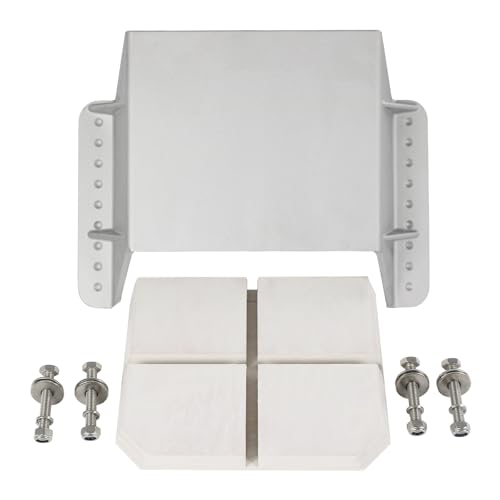
What it is: A 4-inch setback jack plate for outboard motors up to 35 HP, featuring a manual lift system and a replacement for small-engine setups. It includes a long mounting reach to clear transom space.
Best for: Small-horsepower applications where a longer setback helps with clearance and hull efficiency. Also suitable for dinghies and inflatable boats seeking better engine protection in shallow areas.
Why chosen: The 4″ setback helps achieve better hull-to-engine distance, which can improve prop alignment and performance for small engines on compact boats.
Limitations to note: Not suitable for higher horsepower engines. For larger outboards, consider other models with higher HP ratings and sturdier construction.
MJ-1-DP 4″ Setback Jack Plate – Manual Lift

What it is: A 4-inch setback jack plate designed for outboard motors up to 35 HP. Includes a wooden mounting block to aid installation and alignment.
Best for: Builders who want a simple, entry-level option to lift their long-shaft engines and improve performance on small boats.
Why chosen: The included wooden block adds installation ease, making it a practical first upgrade for DIY installers working with small engines.
Limitations to note: Manual lift means more hands-on effort to adjust height. Not ideal for powerboats requiring frequent height changes.
Rockwood 4 x 35.32D Kick Plate

What it is: A stainless steel kick plate with 4″ width and 35″ length designed to withstand marine environments and resist corrosion. Includes mounting fasteners.
Best for: Boats requiring durable kick plates with corrosion resistance for long-term use. Useful as a supplementary protection piece near the transom or deck edges.
Why chosen: Stainless steel provides dependable durability in modest saltwater settings, and the long length offers a broad coverage area for protection and aesthetics.
Limitations to note: Not a full jack plate; it’s a kick plate accessory meant for protection and edge finishing rather than engine height adjustment.
Buying Guide: Key Factors To Consider
- Engine compatibility: Check HP rating and shaft length compatibility to ensure the plate supports your outboard’s power and mounting requirements.
- Height range and adjustment: Decide between manual lift and hydraulic or electric systems. If you frequently navigate shallow water, a greater vertical range is beneficial.
- Material and corrosion resistance: Aluminum (6061-T6) is common for marine settings; stainless steel offers superior corrosion resistance in saltier environments.
- Mounting type and compatibility: Confirm transom thickness, drilling requirements, and whether a wooden mounting block or backing plate is included or required.
- Safety features: Tether points and locking pins improve security during towing or down time in motion.
- Ease of installation: Some units come with blocks or hardware; others require more complex mounting procedures. Assess the level of DIY effort you’re comfortable with.
- Maintenance: Hydraulic systems require periodic checks of fluid and seals; grease fittings help with pivot points for simpler upkeep.
Practical Setup Considerations
- Plan installation around the transom’s strength and the boat’s weight distribution to prevent hull stress.
- For higher HP engines, prioritize plates with stronger construction and hydraulic lift options to prevent bow rise or instability.
- In shallow-water zones, choose a system with precise height control and reliable locking to avoid accidental retraction during operation.
What To Ask Before Buying
- Does my transom accommodate a reinforced backing plate in addition to a jack plate?
- Is a wooden mounting block included or required for secure installation?
- What kind of maintenance schedule is typical for the chosen mechanism (manual, hydraulic, electric)?
- Will the plate affect hull clearance or propeller interaction in my typical water conditions?
Frequently Asked Questions
- What is a kick up plate for outboards? A kick up plate adjusts the engine height and protects the lower unit by providing a controlled clearance and additional clearance in shallow water.
- Do I need a hydraulic system for shallow waters? Hydraulic systems offer smooth, precise adjustments and can be beneficial in variable depths, but manual plates can suffice for simpler setups.
- Can I install a jack plate myself? Many jack plates are designed for DIY installation with mounting hardware and blocks; review provided instructions and confirm tools and skills required.
- What maintenance do these plates require? Regular inspection of mounting hardware, lubrication of pivot points, and periodic checks on hydraulic seals and pins help maintain performance.
- Are reinforcement backing plates necessary? They are recommended for added transom strength, especially on older boats or those carrying heavier motors.
- Which plate suits a small engine on a short transom? A 4″ setback manual plate is often a practical choice for small engines on short transoms.