Find the right go-kart engine for medium to high-performance builds. This guide highlights five relevant options, including 7HP and 15HP class engines, plus an electric alternative for lighter, kid-friendly karts. Each listing covers who it’s best for, why it was chosen, and practical limits to consider. Ideal buyers include hobbyists upgrading a kart, shops sourcing replacement powerplants, and builders seeking reliable, straightforward installations.
Summary of selected products:
| Product | Best For | Key Benefit | Notes |
|---|---|---|---|
| maXpeedingrods 7HP 212cc Gas Engine | Go-kart projects needing affordable, versatile power | Low-fuel consumption with OHV design | Horizontal shaft, standard mounting |
| 15HP Gas Engine 420CC 4 Stroke | Heavy-load go-karts and multiple-use machines | High power output and long operation | Large fuel tank, reliable cooling |
| 420CC Engine, 15 HP Go Kart Engine | Reliable power for demanding applications | Strong power and efficiency | Good for long-running tasks |
| Qaba Electric Go Kart 24V | Kids’ go-karts with safety and simplicity | Dual motors, soft-start for smoother rides | Battery-powered, different category |
| GENMAX 7HP 212cc Recoil Start | Easy replacement in light-duty rigs | Direct replacement compatibility | No battery needed for starting |
maXpeedingrods 7HP 212cc Gas Engine
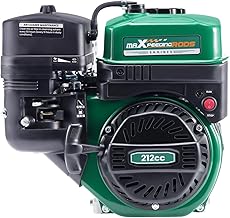
The 7HP maXpeedingrods engine is a versatile, four-stroke OHV model designed for go-karts, lawn equipment, and more. Its 212cc displacement and 8.5:1 compression deliver solid mid-range power suitable for recreational karts. The 3/4″ shaft with a 3/16″ keyway aligns with common go-kart drivetrains, enabling straightforward installation. Best for hobbyists seeking a balance of power, efficiency, and ease of replacement parts. A caution: ensure the shaft length and end threading match your existing mounting hardware to avoid misalignment during installation.
Why this engine stands out: reliable recoil-startable power, relatively low fuel consumption due to OHV design, and flexible applicability beyond go-karts, such as pumps or small machinery. Suitable for projects where a compact, mid-range powerplant is preferred and fuel efficiency matters for longer sessions.
15HP Gas Engine 420CC 4 Stroke Go Kart Engine

This 15HP, 420cc engine delivers substantial power suitable for demanding go-kart builds or multi-use machines like lawn equipment and small industrial tools. It features a high-speed capability (up to 3600 rpm) and a high-precision carburetor to optimize fuel use. The design includes a large fuel tank for extended operation and an automatic shutdown if oil is low, which helps prevent damage during long tasks. Best for builders who require strong acceleration and sustained performance, while paying attention to fuel management. Caution: higher power output may demand stronger driveline hardware and cooling considerations.
420CC Engine, 15 HP Go Kart Engine

This 420cc, 15 HP engine emphasizes strong power output with up to 3600 rpm and an efficient cooling system. It includes a large fuel tank and a high-efficiency carburetor to reduce running costs. Best for heavy-duty go-kart builds and frequent-use machines where longer operation between refills matters. For builders prioritizing reliability under load, this engine provides robust performance. Limitation: ensure the cooling system and mounting pattern fit your chassis, especially in enclosed frames where heat dissipation is critical.
Qaba Electric Go Kart 24V 9Ah

This electric go-kart targets younger riders with dual 150W motors and a 24V 9Ah battery. It offers adjustable seating and drift-style dynamics for a kid-friendly experience. Best for younger riders who prioritize safety, smooth acceleration, and easier maintenance compared with combustion engines. A limitation is shorter ride time per charge (about 60 minutes) and the need to manage battery life between sessions. Ideal for learning, casual play, and school or community programs.
GENMAX 7HP 212cc Recoil Start

The GENMAX 7HP 212cc engine emphasizes straightforward replacement for light-duty applications, with a recoil-start system that does not require a battery. The shaft details align with common go-kart configurations, and the 3/4″ shaft with a 3/16″ keyway fits standard drivetrains. Best for builders replacing worn or failing 7HP engines without battery dependencies. Caution: recoil starts require pulling strength and may be less convenient for very frequent startups in some setups.
Buying Guide: Key Purchase Considerations
- Engine type and use case: Choose gasoline engines for higher power and versatility, electric for low-maintenance, kid-focused karts, and consider recoil starts for remote or off-grid use.
- Power and compatibility: Match horsepower (7–15 HP) to your kart weight, gearing, and expected loads. Verify shaft diameter, length, and keyway match your drivetrain and mounting pattern.
- Fuel and cooling: Tanks, carburetor quality, and cooling systems affect runtime and reliability under load. Larger tanks help with long sessions; efficient cooling reduces overheating risk.
- Maintenance and durability: Look for OHV designs for efficiency and longevity. Consider engines with cast-iron sleeves or forged components for durability in rugged use.
- Installation considerations: Verify mounting pattern, exhaust routing, and space constraints within the kart frame. Some engines may require additional hardware or adapters.
- Safety and starting method: Recoil starts avoid battery dependency, while electric models add quiet operation and simpler starting but require a charging routine.
Frequently Asked Questions
- What should I consider when choosing a 7HP vs 15HP go-kart engine?
– Choose 7HP for lighter, nimble karts or projects with limited space. Choose 15HP for heavier builds or frequent heavy-duty use where more torque and speed are beneficial. - Do all these engines fit standard go-kart drivetrains?
– Most 3/4″ shafts with 3/16″ keyways align with common go-kart mounts, but always verify shaft length and mounting patterns first. - Is an electric go-kart engine a good substitute for gas engines?
– Electric models suit kids’ karts and low-maintenance needs, but they deliver different torque curves and ride experiences compared with gas engines. - What maintenance helps maximize engine life in go-karts?
– Regular oil checks, proper cooling, clean fuel, and secure mounting reduce wear. For recoil-start engines, ensure proper starting procedure and spring wear checks. - Can I use these engines for applications beyond go-karts?
– Yes; many are suitable for pumps, small log splitters, or lawn equipment, but verify mounting compatibility and cooling requirements for each use.