Answers for buyers seeking a reliable cabin air filter for the 2004 Ford Expedition. The top picks below emphasize genuine compatibility with the Expedition model years around 1997–2004, with a focus on filtration efficiency, carbon layering for odor control, and ease of installation. These filters suit drivers who want improved cabin air quality, allergy relief, and a straightforward DIY replacement.
Summary of selected products
| Product | Best For | Notes |
|---|---|---|
| KAX CF8631A HEPA Cabin Air Filter for Ford | Allergies and better filtration | High filtration efficiency, carbon option |
| PHILTOP CF8631A HEPA Cabin Air Filter | HEPA-grade filtration | Five-layer design, up to 99.9% filtration |
| A-Premium Cabin Air Filter with Activated Carbon | Car odors and dust | Two-in-one cabin and air filter kit |
| PHB5384 UltraFLOW Cabin Air Filter | General dust and pollen reduction | Simple, effective filtration |
| KAX CA8039 CF8631A Engine & Cabin Filter | All-in-one maintenance | Includes cabin and engine filter |
KAX CF8631A HEPA Cabin Air Filter for Ford
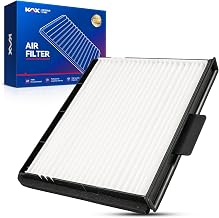
Best for: Ford Expedition and related models where high-efficiency filtration is desired. This filter targets 0.1–0.3 micron particles, helping reduce dust and impurities from entering the cabin via the HVAC system. It is suitable for drivers who want strong particulate control and are installing a retrofit to add cabin filtration where not originally equipped.
Why this was selected: It matches the Expedition fitment window (1997–2003) and offers 99.9% filtration efficiency, helping maintain cleaner interior air. The kit covers multiple Ford trucks and SUVs, including F-Series and Lincoln Navigator families, making it a versatile option for mixed fleets.
Limitations: Some 1997–1999 Ford configurations may require confirmation of glove-box cabin filter placement and, if missing, a retrofit kit before installation.
PHILTOP CF8631A HEPA Cabin Air Filter for Ford

Best for: Car owners seeking true HEPA filtration with broad compatibility, including Expedition, F-Series, and Navigator. The five-layer design claims up to 99.9% filtration efficiency for fine particles, improving air quality inside the cabin.
Why this was selected: The filter’s extensive fitment list covers Expedition years 1997–2003 and Lincoln Navigator 1998–2005, aligning with the 2004 Expedition’s lineage. The HEPA-grade filtration supports cleaner air in environments with dust, pollen, or smoke exposure.
Limitations: Some installations may require careful verification of cabin filter housing compatibility and glove-box access.
A-Premium Cabin Air Filter with Activated Carbon

Best for: Ford Expedition and related models needing both cabin filtration and odor control. This kit is compatible with multiple Expedition, F-150, and Navigator variants, with a retrofit requirement in some setups where a cabin filter housing isn’t present from the factory.
Why this was selected: The activated carbon layer helps absorb odors while the filtration media targets dust and pollen. It’s a practical pick for drivers who frequently drive in urban areas with pollution or after wildfire events.
Limitations: Ensure your vehicle has a cabin filter housing behind the glove box; if not, a retrofit kit is necessary before install.
PHB5384 UltraFLOW Cabin Air Filter for Expedition

Best for: Vehicles needing straightforward dust, pollen, and particulate reduction without premium filtration requirements. This option suits everyday drivers who want reliable cabin air filtration with simple replacement.
Why this was selected: It emphasizes continuous clean air and appreciable filtration performance for Expedition models during the late 90s to early 2000s. It’s a straightforward, no-frills choice that pairs well with standard HVAC operation.
Limitations: Not all variants include a carbon layer; consider whether odor control is a priority when choosing this option.
KAX CA8039 CF8631A Engine & Cabin Filter Kit

Best for: Buyers who want a bundled maintenance approach, replacing both engine and cabin filtration in one purchase. Compatible with a broad range of Ford and Lincoln models, including Expedition and Navigator lines.
Why this was selected: The 2-in-1 kit simplifies ordering and installation, saving time and ensuring both engine intake and cabin air filtration are refreshed during ongoing maintenance. It’s particularly useful for vehicles with the retrofit housing or those planning a consolidated service.
Limitations: Confirm vehicle compatibility and housing configuration before purchase to ensure the kit aligns with your specific 1997–2004 Expedition setup.
Buying Guide
What should I check before buying?
- Vehicle fitment: Confirm the filter part number aligns with your exact Expedition year and trim. Some listings note compatibility with a broad range of Ford trucks and SUVs; verify for your specific configuration.
- Filtration level: Consider whether true HEPA filtration or a carbon-activated layer is important for your environment and odors.
- Installation requirements: Some vehicles require a retrofit housing behind the glove box; check whether your model already has a cabin filter or if a retrofit kit is needed.
- Two-in-one kits: If you want to refresh both engine and cabin filtration, look for bundled options that save time and simplify maintenance.
How to choose between the top options?
- Best for allergies and fine particles: Choose filters marketed with high filtration efficiency and HEPA-style performance, such as those labeled with 99.9% filtration.
- Best for odor control: Opt for activated carbon or carbon-impregnated designs to reduce interior smells and outside pollutants.
- Best for convenience: A two-in-one engine plus cabin filter kit is ideal for a single purchase and combined maintenance.
How often should I replace?
Replacement frequency depends on driving conditions, climate, and usage. In dusty or urban environments, consider more frequent changes—roughly every 12,000 to 15,000 miles as a practical guideline, or per the vehicle’s service schedule.
What installation tips help?
- Turn off the vehicle, disconnect the battery if advised by your manual, and locate the cabin air filter housing behind the glove box or under the dash as noted by product notes.
- Carefully remove the old filter, clean the housing if needed, and insert the new filter with correct airflow orientation as indicated by the filter’s arrows.
- Ensure a snug seal around the housing to prevent unfiltered air leaks.
FAQ
- Q: Do these filters fit all Ford Expedition years? A: Most listed options target the Expedition range around 1997–2003, with some broader fitment lists. Always verify your exact year and trim.
- Q: Is HEPA filtration necessary for driving in cities? A: HEPA-style filtration can improve capture of fine particles, beneficial in urban or high-pollen areas.
- Q: Can I install a cabin air filter if my vehicle didn’t come with one from the factory? A: Some models require a retrofit housing; check the product note and your vehicle’s service manual before purchase.
- Q: Should I replace the engine filter at the same time as the cabin filter? A: If buying a bundled kit, you can replace both; otherwise, plan separate purchases for engine filtration if needed.
- Q: Will activated carbon filters reduce odors permanently? A: Activated carbon helps reduce common odors but may not eliminate strong or persistent smells without addressing the source.
- Q: Where can I find installation tips for my specific vehicle? A: Manufacturer service manuals and product listing notes provide location and orientation guidance for your model.