If you’re selecting vents to improve engine compartment airflow, choose models designed for marine use, corrosion resistance, and compliant cross-sectional air flow. This guide highlights five reliable options and clarifies who benefits most from each. Built for boaters who want efficient ventilation to reduce heat buildup, moisture, and fumes, these picks balance durability with installation practicality.
| Product | Best For | Why It Stands Out |
|---|---|---|
| Attwood 1364A3 Marine Intake and Exhaust Cowl Ventilator | Small to mid-size engines, tight engine bays | Meets ABYC H-2 cross sectional area requirements; uses flexible hose for versatile routing |
| LBKYJ 4 Pack 5″ Round Louvered Air Vent | Value-conscious builds; multiple vents for larger bays | 316 stainless steel, 5″ round louvers; durable and polished |
| JT-HLM 5 Slots Boat Louvered Vent | Premium marine applications; replacements | Stainless steel, easy install, flush surface design |
| Attwood 1494F1 Marine Venturi Vent Cover | Standard vents with exact cutouts | White finish; ABYC cross sectional area compliant |
| Vinland Marine 8-Slot Louvered Vent | Large engine compartments; high airflow | 304 stainless, welded finish, corrosion resistant |
Attwood 1364A3 Marine Intake and Exhaust Cowl Ventilator

The Attwood 1364A3 is designed to provide sufficient ventilation for engine compartments while conforming to ABYC H-2 cross sectional area requirements. It is best for boats needing a reliable intake and exhaust solution compatible with 3-inch inside diameter ventilation hose. The kit is suited for smaller to mid-size engine bays where flexible hose routing is advantageous. Best for owners prioritizing compliance and predictable airflow with straightforward installation. A potential limitation is compatibility with larger hose sizes or non-standard duct routes.
LBKYJ 4 Pack 5″ Round Louvered Air Vent

This set includes four 5-inch round louvered vents in polished 316 stainless steel. They’re ideal for projects needing multiple vents with a consistent look. The stainless finish adds corrosion resistance in harsh marine environments. Best for installs where multiple vents are needed or when upgrading a bay with a uniform aesthetic. Note that the product’s polished finish may show light surface scratches from handling.
Venturi Vent (Color: White) By Attwood
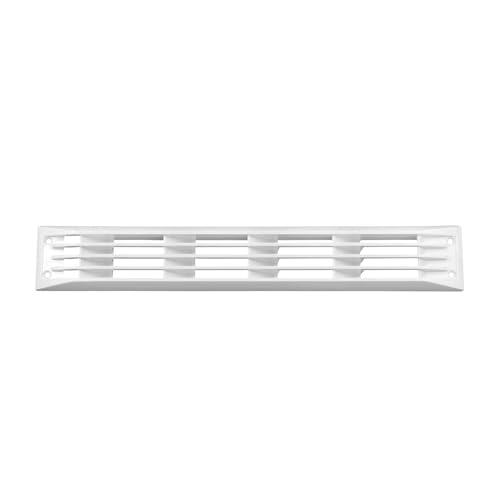
The Venturi Vent by Attwood provides a simple rectangular vent option with a white finish. Its dimensions (17-9/16 inches long, 2-3/4 inches high, 11/16 inch wide) suit standard openings in many boats. Best for owners seeking a lightweight, low-profile vent with straightforward installation. It’s better for straightforward duct routes rather than high-volume airflow needs.
JT-HLM 5 Slots Boat Louvered Vent
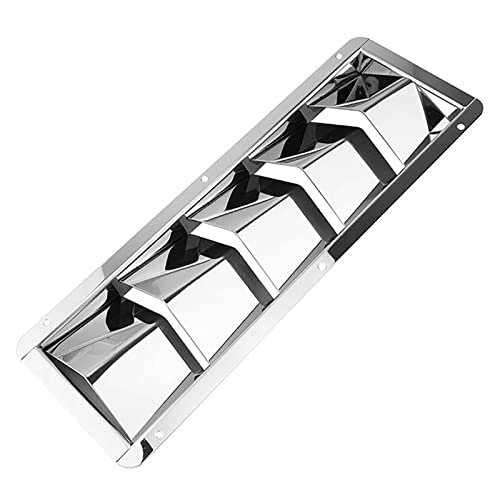
This stainless steel vent with five slots is designed for corrosion resistance in aggressive marine environments. It features a flush surface to minimize snagging and reduce damage from mooring lines or fishing gear. It’s best for premium installations or as a replacement for plastic vents. Caution: installation may require careful alignment to ensure a flush seal and prevent water ingress in rough seas.
Attwood 1494F1 Marine Venturi Vent Cover

The 1494F1 Venturi Vent Cover provides adequate ventilation with a 2 x 15-3/8 inch cutout. It meets ABYC H-2 cross sectional area requirements, making it a practical choice for standard engine compartments. Best for boats that require a ready-made vent cover with a clean white finish. A limitation is that it relies on a specific cutout size, which may not fit all bays without adaptation.
Vinland Marine 8-Slot Louvered Vent

The Vinland Marine vent is constructed from 304 stainless steel with a welded, highly polished finish. Its eight slots facilitate strong airflow while resisting corrosion, making it suitable for larger engine compartments or high-heat areas. Best for boats needing substantial ventilation and long-term durability. A potential drawback is its higher price point compared with smaller plastic or aluminum vents.
Buying Guide: How to Choose Boat Engine Compartment Vents
- Engine bay size and airflow needs: Larger bays require higher cross-sectional area and more slots. Check ABYC guidelines to ensure compliance with air movement standards.
- Material and corrosion resistance: Stainless steel (316/304) lasts longer in salt air; consider whether a polished, brushed, or painted finish fits your boat’s look and maintenance plan.
- Connection type and hose compatibility: Match hose inner diameter and length to the vent for effective intake and exhaust flow without excessive resistance.
- Mounting style and installation: Flush vs. protruding models affect water intrusion risk and ease of installation. Replacements should align with existing cutouts when possible.
- Maintenance and cleaning: Choose vents easy to clean and resistant to grime, salt, and marine growth to maintain airflow over time.
- Cost versus durability: Higher upfront cost may translate to lower long-term maintenance and fewer replacements in marine environments.
Frequently Asked Questions
- What is ABYC H-2 cross sectional area? It’s a standard that ensures adequate airflow in engine compartments to prevent heat buildup and corrosion.
- What materials are best for marine vents? Stainless steel is highly durable in saltwater; polymer vents are lighter and cheaper but may require more maintenance.
- How many vents does my boat need? It depends on engine size, bay volume, and ventilation requirements; consult ABYC guidelines or a marine professional.
- Can I replace plastic vents with stainless steel? Yes, if cutouts and mounting align; stainless steel offers better corrosion resistance in harsh environments.
- Are vent covers necessary? Vent covers help prevent water intrusion and debris while allowing air exchange, especially in rough conditions.
- Is greater air flow always better? More airflow improves cooling but must be balanced with moisture control and seal integrity to avoid leaks.