Direct answer: For flatbed towing, these ramps extend your bed angle and simplify loading low-profile vehicles, motorcycles, and equipment. This guide highlights five top options with clear reasons to choose each, plus a practical buying guide and FAQ to help you pick the right ramp setup for your truck and workload. Best fits include fleets needing quick loading, DIYers with low-clearance vehicles, and occasional users who want compact storage. The table below briefly compares each option to help you decide at a glance.
| Product | Best For | Key Benefit |
|---|---|---|
| Race Ramps Compact Tow Truck Flatbed Extension Ramps (Pair) | Low-profile vehicles | Low angle of approach, compact storage |
| Starter Tow Ramp for Steel Bed Rollback (14″ x 8″ x 2-3/8″) | Heavy-duty flatbeds | Curved edges, 90-degree notch for stability |
| Extreme Max RampXtender | Extending bed length | Adds 2′ length, better wind drag |
| WFLNHB Aluminum Trailer Ramps (84″ x 14″) | Versatile cargo | Non-slip surface, secure hook end |
| Loading Ramps 2Pcs for Pickup Trucks (67″) | Compact, portable loading | Folding, 1500 lb per pair capacity |
Race Ramps Compact Tow Truck Flatbed Extension Ramps
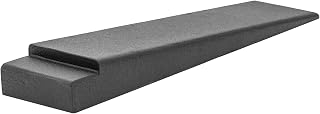
Best for low-profile vehicles that require a gentle approach. These ramps extend the tow truck bed to reduce ramp angle, offering a 5.2-degree angle of approach. They support tires up to 12″ wide and feature a 1″ x 5″ notch for stability. The design is easy to transport, use, and store, and they perform reliably in various weather conditions. Suitable for fleets or DIYers who routinely load sedans, sports cars, or low-clearance SUVs. Caution: Ensure tire width stays within the 12″ limit to maintain the gradual incline.
Starter Tow Ramp for Steel Bed Rollback

Best for steel bed rollback and car carrier applications. This ramp set measures 14″ x 8″ x 2-3/8″ and features curved edges with a 90-degree notch and a smooth 10-degree incline. It’s made from glass fiber reinforced nylon, adding durability and resistance to wear, oil, and grease. Ideal for low-profile cars and professional haulers. Choose this if you need a reliable, lightweight ramp with stable edge geometry; avoid if you require metal construction for extreme rugged use.
Extreme Max RampXtender

Best for increasing bed length to expand loading versatility. The RampXtender adds 2 feet of bed length, accommodating a wider range of light and medium-duty trucks. It’s designed to facilitate loading while potentially improving highway aerodynamics by creating a more open tailgate configuration that can reduce wind drag. Use this if you regularly haul longer items or taller vehicles; beware of added weight and the need for extra storage space when not in use.
WFLNHB Aluminum Trailer Ramps

Best for secure loading with non-slip terrain and a firm hook end. These 84″ x 14″ aluminum ramps are designed with a strong non-slip surface and top hook ends to grip the trailer, preventing tilting. They’re versatile for motorcycles, ATVs, dirt bikes, lawn mowers, and more. The hinged design allows loading at a moderate height with broad compatibility. Consider these for mixed cargo; note the longer length requires more storage space when not in use.
Loading Ramps 2Pcs for Pickup Trucks

Best for portable, space-saving loading with strong capacity. This set features two 67″ folding ramps, offering a combined capacity of up to 1500 lbs per pair. They’re made from stainless steel for durable daily use and include tie-down straps and marking tape. Choose these if you need a compact, foldable option for motorcycles, small ATVs, lawn equipment, or generators. Limitation: folding mechanisms add potential wear points over time; ensure proper maintenance for longevity.
Buying Guide: Key Purchase Considerations
- Ramp angle and load height: A lower angle of approach eases loading of low-profile vehicles. Check the stated angle of approach and vehicle clearance.
- Weight and capacity: Match the ramp’s load rating to the heaviest item you plan to load. Consider whether a pair of ramps or a single extended ramp better fits your bed height.
- Material and durability: Aluminum is common for light use and corrosion resistance; reinforced nylon or stainless steel adds strength for heavier or frequent use.
- Length and storage: Longer ramps are easier to load with but require more storage space. Folding designs save space but may need maintenance on hinges.
- Non-slip surface and safety features: Look for textured surfaces, hook ends, and secure attachments to prevent slipping or tilting during loading.
- Vehicle compatibility: Check tire width, bed height, and the type of vehicles you load ( motorcycles, ATVs, cars, utility trailers, etc.).
- Installation and portability: Consider how easily ramps can be carried, mounted, or folded for transport.
- Weather considerations: Some ramps maintain traction in rain or mud better than others; consider all-season performance if you load outdoors.
FAQ
- Q: What is the best ramp angle for low-clearance cars? A: A ramp with a small angle of approach, typically around 5–6 degrees, reduces the risk of scraping on low-clearance vehicles.
- Q: Can I load motorcycles on any tow truck ramp? A: Most ramps designed for flatbed or pickup use are suitable for motorcycles, but verify weight capacity and incline.
- Q: Are folding ramps as strong as solid ramps? A: Folding ramps save space but ensure the hinges and joints are rated for the intended load and usage frequency.
- Q: Do ramps require maintenance? A: Yes, inspect surfaces for wear, ensure hardware is tight, and lubricate hinges (where applicable) to maintain performance.
- Q: Can these ramps be used with different trailer types? A: Many ramps are versatile, but verify compatibility with your specific trailer type and bed height before purchase.
- Q: Is a longer ramp always better? A: Longer ramps reduce the incline but require more storage; balance length with vehicle height and available space.