When winter storms hit, being prepared in your vehicle is essential. This guide highlights five practical car emergency kits designed to help drivers stay safe, warm, and on the road. Each pick prioritizes heat retention, roadside readiness, and compact storage. Best for commuters, road-trippers, and drivers in snowy climates, these kits balance essential tools with user-friendly design.
| Product | Best For | Why It Stands Out |
|---|---|---|
| Emergency Blanket Mylar 4-Pack | Winter camping and emergency warmth | High heat retention; multipurpose use; compact folds for easy storage |
| Everlit Survival Car Emergency Kit | Comprehensive roadside backups | Includes tire inflator, tow rope, safety gear; robust for long trips |
| VCANENERGY Car Emergency Safety Kit | All-in-one winter safety | Jumper cables, air compressor, first aid, snow tools |
| PACETAP Roadside Emergency Kit | All-in-one, budget-friendly | LED road flare, reflector gear, multiple essentials |
| Roadside Car Emergency Kit With Shovel | Snowy, off-road or deep winter use | Folding shovel, robust jumper cables, safety gear |
Emergency Blanket Mylar Thermal Space Survival Gear 4-Pack
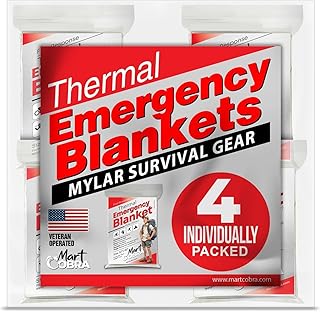
Best for: drivers seeking lightweight, compact warmth in emergencies. This kit’s aluminized Mylar blankets can retain up to 90% of body heat, making them a staple for winter weather and power outages. They serve as blankets, ground covers, or improvised shelters, useful in both vehicle-based and outdoor scenarios. The large unfolded size—82 inches by 52 inches—offers full-body warmth when spread on the ground or over seating. Caution: blades of frost or wind can reduce effectiveness; these are supplemental warmth items, not a primary heat source.
Everlit Survival Car Emergency Kit
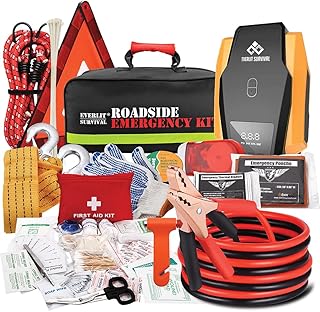
Best for: drivers needing an all-in-one roadside backup with practical power and repair tools. This kit includes a digital auto tire inflator with auto shutoff, a tow rope, heavy-duty jumper cables, gloves, a reflective warning triangle, and more. The inflator simplifies tire maintenance on the road, reducing the risk of slow leaks becoming stranded pulled over in cold weather. Limitation: the digital inflator relies on a 12V outlet, so capacity depends on your vehicle’s power access.
Car Emergency Safety Kit Bag With Digital Air Compressor

Best for: drivers who want a broader, winter-ready toolkit with a detachable snow shovel. This kit packs 92 essential items, including a 12-foot jumper cable set, a 55-item first aid kit, a snow shovel, ice scraper, tow rope, flashlight, and more. The detachable snow shovel enhances snow removal at the vehicle, while the included air compressor helps maintain tire safety. Caution: some customers may prefer more compact setups for city use; it’s a fuller kit, weightier to store.
PACETAP Car Roadside Emergency Kit

Best for: those seeking a compact, all-in-one option with a focus on visibility and signaling. The kit includes a LED road flare with multiple lighting modes, a tow strap, a jumper cable, a warning triangle, and a reflective vest. The fabric bag is durable and easy to store in a trunk or backseat area. Consideration: while comprehensive, it may not include heavier-duty tools found in larger kits; ideal for short trips and routine winter travel.
Car Roadside Emergency Kit With Shovel And Tools

Best for: drivers needing a sturdy shovel and reliable jumper cables for winter conditions. This kit includes a foldable survival shovel that fits in tight spaces, along with durable jumper cables and essential safety items. The shovel supports digging out snow or ice, making it a sensible add-on for SUVs and trucks operating in snow-prone areas. Caution: the shovel’s foldable design requires proper storage and secure closure to prevent shifting in transit.
Buying Guide
- What should be in a car winter survival kit? Prioritize warmth (blankets or emergency blankets), lighting (flashlights and reflective gear), signaling (flares or triangles), a means to inflate tires (air compressor), and a basic first aid kit. Consider a shovel for deep snow and a tow rope for vehicle recovery.
- Which kit covers the essentials for short trips vs. long-distance travel? A compact kit with a tire inflator, jumper cables, and a first aid kit works well for daily commutes. A larger kit with a shovel, multiple tools, and a heavy-duty power source is better for long road trips or rural areas.
- How important is weight and storage space? Choose a kit that fits in your trunk or under a seat without adding bulk. All-in-one bags with durable fabric and organized compartments help quick access during emergencies.
- What safety features matter in winter weather? Look for reflective clothing or vests, bright lighting, and road flares with several modes. Visibility is critical in snowy conditions or at night.
- Should you rely on tools alone? Tools help you manage emergencies, but plan for self-sufficiency with extra water, non-perishable snacks, and a charging option for devices if possible.
Frequently Asked Questions
- What is the primary use of an emergency blanket in a car kit? Answer: To conserve body heat in cold conditions and provide a compact, versatile shelter option if you must wait for help.
- Is a digital tire inflator better than manual pumps? Answer: Yes for speed and precision; it reduces guesswork when setting tire pressure.
- Should I include a snow shovel in a car kit? Answer: Yes if you drive in heavy snow or unpaved roads; it helps with clearing snow around tires and the undercarriage.
- How many jumper cables are necessary? Answer: A two-cable 8-gauge setup is common; ensure clamps are well insulated and rated for your battery.
- What distinguishes LED road flares from traditional flares? Answer: LED flares offer multiple modes, longer visibility, and safer operation in wet conditions.
- How should I store these kits to maximize readiness? Answer: In a durable bag or case in the trunk or backseat, with items grouped by use (seating, undercarriage, signaling).