If you work on vehicles or routinely jump-start, you need a reliable 12V surge protector. These devices shield sensitive electronics from voltage spikes during welding, jump-starts, or power fluctuations. The following top picks are suited for different buyers—professionals who weld, DIYers who tinker at home, and fleet operators needing robust protection. This guide compares five 12V surge protectors, highlighting who they’re best for, key features, and practical limits. A concise buying table appears below to help you compare at a glance.
| Product | Best For | Key Benefit |
|---|---|---|
| Dent Fix DF-601 Surge Protector | DIYers and hobby welders | Simple surge absorption to protect electronics without battery disconnection |
| Vanair 32-020 Antizap Clamp-On | Professional shops | Fully insulated clamps and clear status LEDs for safe welding |
| EKYLIN Car Voltage Stabilizer | Fleet and boats | Heavy-duty 144W stabilizer with outdoor-ready IP67 protection |
| Tefola Automotive Anti Zap Surge Protector | Any 12/24V vehicle users | LED indication plus polarity protection for straightforward use |
| PriorityStart ProMax | Fleet managers and long-haul drivers | Automatic battery protection and reconnection for reliable starts |
Note: Each product has its own operating range and installation requirements. Always follow manufacturer directions and ensure compatibility with your vehicle’s electrical system before use.
Dent Fix DF-601 Surge Protector

The Dent Fix DF-601 acts like a sponge for electrical surges, protecting sensitive components during welding on a vehicle. It’s especially suitable for DIY welding and jump-start scenarios where quick, non-intrusive protection is valued. The unit is described as an absolute must when jump starting and minimizes the need to disconnect the battery for protection. This makes it a practical choice for occasional welders or hobbyists who want straightforward surge protection without complex setup.
Best for: DIY hobbyists and small shop tasks where simple, immediate protection is preferred. It’s a compact, easy-to-use option that integrates into typical 12V systems with minimal fuss. Caution: Its protection level is described in practical terms, not as an industrial-grade shield; evaluate your risk level for high-energy welding.
Vanair 32-020 Antizap Clamp-On Surge Protector

The Vanair 32-020 is designed for 12-volt systems and focuses on proper grounding during welding. It eliminates the need to disconnect the battery while welding and provides protection for electronics during MIG, TIG, or Argon arc welding. It features fully insulated booster clamps, heavy-duty cables, and weather/shockproof housing. A green LED shows complete protection, while a red LED indicates no surge protection. It’s ideal for professional welders who require clear status indicators and robust build.
Best for: Professional workshops and technicians performing frequent welding where clear status signals and durable clamps improve workflow. Limitation: The setup requires correctly placing the clamps and monitoring the LED indicators to confirm protection status.
EKYLIN Car Voltage Stabilizer
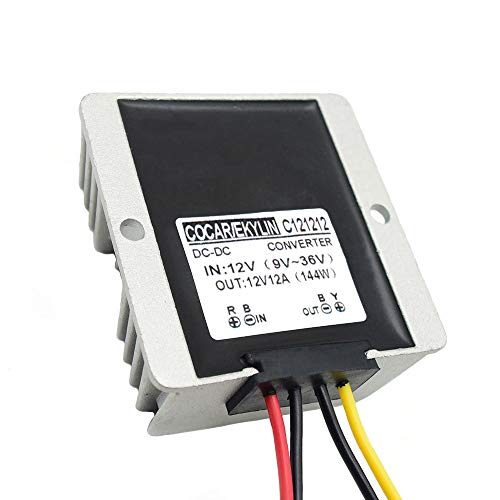
The EKYLIN 12V surge protector stabilizes voltage with a 12A maximum current and 144W capacity. It’s designed for harsh outdoor environments with IP67 waterproofing and heat-conduction silica gel sealing. This makes it suitable for cars, boats, trucks, solar setups, and other outdoor systems. It’s best for fleet vehicles or remote installations where external exposure is a concern. The device supports a wide input range (DC 10-36V) and provides a steady 12V output.
Best for: Fleet vehicles and outdoor installations needing rugged, weatherproof protection. Caution: Installation must ensure proper grounding and correct polarity to avoid ineffective protection or damage.
Tefola Automotive Anti Zap Surge Protector

The Tefola anti zap device uses a pure copper clip design and LED indicators to show system status. It clamps across the battery, signaling protection when the green LED is on and warning when red indicates no protection. It emphasizes polarity protection and reverse connection warnings to improve safety during use. This makes it a simple, direct option for 12/24V vehicles that want a quick, visible protection signal during welding or jump starts.
Best for: General automotive work where straightforward, visual status indicators are valuable. Limitation: It relies on proper LED signaling; avoid use if you cannot visually monitor LEDs during operation.
Vehicle Protector 12/24V
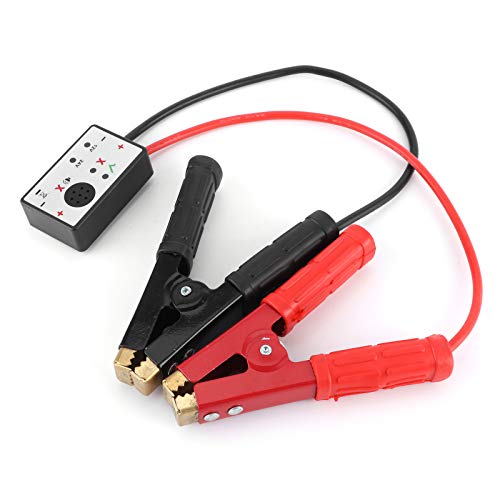
The Vehicle Protector by 12/24V systems emphasizes shielding electronic equipment during welding and jump-starts. It’s designed to prevent damage from voltage spikes and fluctuations, aiming to preserve longevity and performance of critical electronics. The 150mm device is compatible with 12V and 24V systems, making it versatile for a range of vehicles. Best for: Home garages and small fleets needing broad compatibility. Caution: Check compatibility with your specific electrical layout before use to ensure comprehensive protection.
Cocar Car Voltage Stabilizer

The Cocar 12V stabilizer delivers 12V at 4A (48W) with an input range of 10-36V. It’s designed to protect sensitive electronics from voltage instability and surges. The unit comes in an IP67 waterproof housing with a rugged design suited for outdoors. It is a practical option for cars, trucks, RVs, boats, and solar setups that require consistent voltage for critical devices and displays.
Best for: Outdoor installations where a compact, rugged stabilizer is needed. Limitation: It provides a 4A output, which may be insufficient for high-demand devices in very power-hungry setups.
Buying Guide: How To Choose The Right 12V Surge Protector
- Voltage range and current capacity: Match the device’s voltage range (commonly 10-36V input) and the maximum current (4A to 12A, or higher) to your needs. Higher wattage supports more or larger devices during protection.
- Protection type and signals: Look for clear indicators (LEDs) or status signals. Some units show green for protection, red for no protection. Choose according to how you monitor the system.
- Durability and environment: Outdoors or exposed environments benefit from IP67 waterproof and rugged housings. Consider heat conduction materials to manage ambient heat.
- Ease of installation: Clamp-on clamps, fuse protection, and polarity safeguards simplify setup. Ensure compatibility with your battery type and vehicle configuration.
- Application scenario: Welding protection, jump-start protection, or general surge suppression require different design strengths. Pick a unit aligned with your primary activity (DIY, professional welding, fleet usage).
- Safety notes: Always verify polarity, mounting location, and wiring instructions. Incorrect installation can reduce effectiveness or damage electrical systems.
Frequently Asked Questions
- What is a 12V surge protector used for? It protects vehicle electronics from voltage spikes that occur during welding, jump-starts, or starting and charging cycles.
- Do these protect all vehicle electronics? They protect many sensitive components, but check the device’s listed protection scope and your vehicle’s critical circuits.
- Should I install one in a diesel or gasoline vehicle? Most units work across common 12V systems; verify specific input ranges and compatibility with your vehicle type.
- Can I install it myself? Many are designed for straightforward installation, including clamp-on options. If unsure, consult a professional.
- Do they require maintenance? Generally low maintenance, but periodic checks of indicators and connections help ensure ongoing protection.
- Is IP67 waterproofing necessary? For outdoor installations or exposed environments, IP67-rated units offer better protection against water and dust.