For commercial fleets and heavy-duty drivers, choosing the right 11R22.5 tire can impact fuel efficiency, wear, and overall uptime. This article highlights top 22.5R11/11R22.5 tire options designed for all-season highway performance, load handling, and long mileage. Explore representative tires from trusted brands and compare key features to help make an informed choice for your fleet needs.
| Product | Brand | Size | Key Feature |
|---|---|---|---|
| Sumitomo ST788E | SUMITOMO | 11R22.5 | Heavy-duty commercial tire with solid construction |
| Green Max GAR202 All-Season | GREENMAX | 255/70R22.5 | All-season highway performance |
| Landgolden LG 901 | Landgolden | 255/70R22.5 | All-season highway efficiency |
| AUFINE ENERGY AEL6 | AUFINE | 11R22.5 | Fuel-efficient tread with longer mileage |
| Yokohama 108R | Yokohama | 11R22.5 | All-position, balanced highway performance |
Sumitomo ST788E Commercial Truck Tire

The Sumitomo ST788E is designed for commercial fleets requiring robust load handling and durable construction. This 11R22.5 tire is built to support heavy-duty applications with a focus on stability and tread life in highway conditions. Its packaging shows standard dimensions and weight suitable for fleet inventory planning. For buyers evaluating total cost of ownership, this tire’s rugged profile can help reduce downtime and irregular wear across long-haul routes.
Green Max GAR202 All-Season 22.5 Tire

The Green Max GAR202 is presented as an all-season, highway-oriented tire suited for mixed conditions. It emphasizes an all-season footprint with highway performance, making it a practical choice for fleets that require consistent traction and predictable wear across seasons. Its emphasis on tire-only configuration helps fleets manage inventory without extra components.
Landgolden LG 901 All-Season 22.5 Tire

The Landgolden LG 901 focuses on all-season highway performance with a 16-ply build and a robust sidewall. It is positioned for reliable long-haul mileage with a highway-oriented tread, aiming to deliver steadier wear patterns and stable handling on varied road surfaces. Fleet buyers often weigh tread life claims against fleet duty cycles when comparing with other all-season options.
AUFINE Energy AEL6 11R22.5
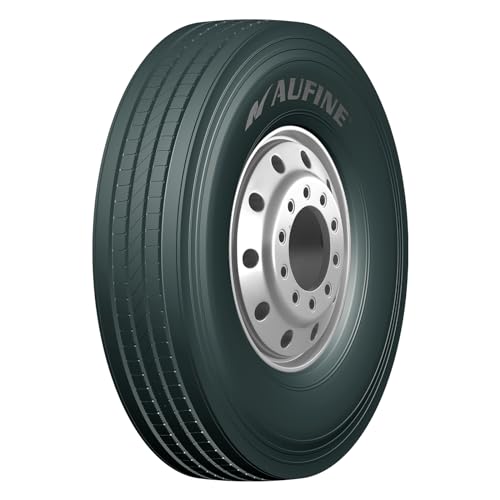
The AUFINE Energy AEL6 tire highlights a fuel-efficient tread design intended to lower rolling resistance and improve fuel economy. The wider tread footprint supports longer mileage and better load distribution, while micro-sipes on rib edges aim to reduce irregular wear along main ribs. This makes it a contender for fleets prioritizing efficiency and even wear over long distances.
Yokohama 108R Commercial Truck Tire

The Yokohama 108R is described as an all-position tire suitable for mixed-duty fleets. With a focus on highway performance and a substantial package size and weight, it offers predictable handling and a balance between traction and wear on long-haul routes. This option suits fleets needing uniform performance across front and rear positions.
Michelin XRV 22.5 Tire (235/80R22.5)

Note: Michelin XRV is listed here as a point of comparison for premium highway tires commonly used in regional and long-haul fleets. It demonstrates the spectrum of performance and construction within the 22.5-inch family, including package weight and typical use cases. It helps readers benchmark against other options in this size class.
Buying Guide
Key considerations when selecting 22.5R11/11R22.5 tires for commercial use include:
- Load range and ply rating: Ensure tires meet axle and gross vehicle weight requirements to maintain safety and efficiency.
- All-season versus highway-specific tread: Choose based on climate, route types, and maintenance schedules.
- Fuel efficiency and rolling resistance: Lower resistance can improve fuel economy, but balance with wear and grip needs.
- Tread life and wear patterns: Longer wear reduces replacement frequency; consider weight distribution and road conditions.
- Positioning and tire rotation: Some tires are optimized for all-position use; confirm rotation patterns to optimize lifecycle.
- Fleet uptime and service network: Availability of service centers and quick tire changes minimize downtime.
- Cost of ownership: Compare initial cost, mileage claims, and expected downtime costs to determine value over time.
When evaluating these tires, fleet managers should align choice with operating conditions, maintenance practices, and preferred brands. Cross-referencing tire specifications with vehicle manuals ensures compatibility, while a mix of all-season highway tires and more fuel-efficient options can optimize overall performance across a diverse route network.