The best 9 speed single crankset choices optimize stability, shifting, and drivetrain simplicity for riders who prefer a clean, single-chainring setup. This guide highlights five solid options, explains who each is best for, and notes practical trade-offs. Ideal buyers include riders upgrading an old setup, commuters seeking low maintenance, and enthusiasts aiming for reliable single-ring performance on varied terrain.
| Product | Chainring | Arm Length | Compatibility | Key Benefit |
|---|---|---|---|---|
| WEEROCK 42T Aluminum Crankset | 42T | 170mm | Single Speed and 6/7/8/9/10/11 speeds | Drop Stop design reduces chain drops |
| WEEROCK 32T/34T/36T/38T Crankset | 32T/34T/36T/38T | 170mm | Single Speed and 6/7/8/9/10/11 speeds | Multiple chainring options for versatility |
| SHIMANO CUES FC-U4000-1 | 32T | 170mm | 9/10/11-speed drivetrains | Dynamic chain engagement+ for smoother shifts |
| WEEROCK Steel 38/40/42T Crankset | 38T/40T/42T | 170mm | Single Speed & 6/7/8/9/10/11 speeds | Unilateral chain cover helps keep clothing clean |
| microSHIFT Sword 42T Crankset | 42T | 110Bcd | 9/10-speed | Designed for Sword Black group compatibility |
WEEROCK 42T Aluminum Crankset — 170mm Arm

Best for: Riders who want a lightweight, single-speed-friendly crank with robust aluminum construction. This 42T chainring is paired with a 170mm arm and 104 BCD, suitable for single-speed bikes and multi-speed setups up to 11 speeds. The Drop Stop design helps prevent chain drops, enhancing safety on bumpy trails or urban roads.
Why selected: Aluminum alloy construction offers a balance of strength and lightness for everyday riding. The 42T profile suits riders prioritizing higher top-end speed with simple maintenance. The integrated design reduces potential misalignment and simplifies installation.
Caution: This crankset is best used on bikes with compatible bottom brackets and chainline; verify compatibility with your frame before purchase.
WEEROCK 32T/34T/36T/38T Crankset — 170mm Arm

Best for: Cyclists seeking versatility with multiple chainring options while keeping a single-chainring drivetrain across various terrains. The range from 32T to 38T provides flexibility for climbing or cruising depending on the route.
Why selected: Steel chainrings deliver durability for demanding rides, and the Drop Stop design reduces the likelihood of chain derailment. This choice is practical for riders who may swap chainrings seasonally or adjust gearing for different routes.
Caution: Heavier than aluminum options; consider overall weight impact on your bike’s performance, especially on climbs.
SHIMANO CUES FC-U4000-1 Crankset — 170mm

Best for: Riders with 9/10/11-speed drivetrains seeking reliable chain retention and smooth shifting on varied terrain. The 32-tooth chainring is optimized for a balanced gear range and stability on rough surfaces.
Why selected: Dynamic Chain Engagement+ technology improves chain retention, reducing derailments and boosting ride confidence. The 32T gearing is a versatile choice that pairs well with mid- to long-travel bikes in mixed-terrain environments.
Caution: Designed for square-taper bottom brackets; confirm compatibility with your crank interface and bike model before installing.
WEEROCK Steel 38/40/42T Crankset — 170mm

Best for: Riders who want a sturdy steel option with a unilateral chain cover to keep clothing clean and reduce grime on the drivetrain. The 40T or 42T variants offer a balance between climbing ease and top-end speed.
Why selected: The chain cover helps prevent pants from catching in the chain, a practical feature for daily commuting and city riding. The single-piece design keeps installation straightforward.
Caution: Steel parts are heavier than aluminum; consider overall bike weight and ride goals when choosing metallic cranksets.
microSHIFT Sword Black 42T Crankset — 9/10-Speed
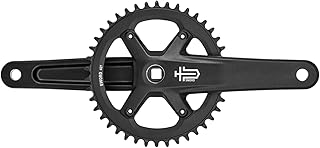
Best for: Riders with 9/10-speed drivetrains seeking a dedicated 42T chainring and compatibility with Sword Black or Sword 1x groups. The 110mm Asymmetric BCD offers flexible gear options within a 1x setup.
Why selected: The 110mm asymmetrical BCD is designed to optimize chainline and shifting performance in 1x configurations. It provides a clean, simplified drivetrain with reliable engagement.
Caution: Requires a compatible bottom bracket and proper alignment for best performance; verify spindle interface before purchase.
Buying Guide
What should you consider when choosing a 9 speed single crankset?
- Drivetrain compatibility: Check your current derailleur, chainline, and bottom bracket interface (JIS vs. ISIS; square taper; spindle length).
- Chainring size: 32T to 42T options cover a range from climbing ease to higher top speeds. Pair larger rings with efficient gearing for flat routes; smaller rings help on steep climbs.
- Material and weight: Aluminum is light and rust-resistant; steel offers durability and lower cost but adds weight. Balance your need for weight savings with strength.
- Chainring design: Drop Stop or narrow-wide teeth help prevent chain drops on rough terrain and during jumps or quick sprints.
- Single vs. multi-ring: A single chainring simplifies maintenance and reduces the risk of shifting issues outdoors, but confirm the gearing range meets your typical riding terrain.
- Installation notes: Verify compatibility with your crankset mounting interface, BCD (bolt circle diameter), and the presence of a compatible bottom bracket.
- Maintenance: Consider ease of cleaning and the potential need to replace chainrings due to wear, especially on steel versus aluminum options.
FAQ addresses common questions about 9 speed single cranksets and how to choose among them.
Frequently Asked Questions
- What is a 9-speed crankset best used for? It pairs with a 9-speed drivetrain for streamlined shifting and a simpler setup than triple chainring systems.
- Is a 42T chainring good for mountain biking? A 42T ring offers more top-end speed, but requires stronger climbing effort than smaller rings on steep trails.
- Can I install a 32T chainring on a crankset designed for 42T? Compatibility depends on the BCD and mounting system; check the product specs.
- What is Drop Stop design? It’s a tooth profile that helps prevent the chain from dropping off the chainring, improving safety and reliability.
- Do I need a new bottom bracket when changing cranksets? Often yes; verify BB compatibility and spindle length with the new crankset.
- How do I choose between aluminum and steel cranksets? Aluminum saves weight and resists rust, while steel is typically stronger and cheaper but heavier.