When choosing auto body finishing putty, look for a product that bonds well, sands smoothly, and cures reliably for a professional finish. This guide helps buyers pick glazing and finishing putty suited for common repairs on metal, fiberglass, and composites. It highlights top options for door dings, minor scratches, pinholes, and low spots, with clear guidance on who each product is best for and why. Whether you’re a DIY enthusiast, a professional shop, or a casual hobbyist, the selections below cover varied needs and budgets.
Summary table of selected products:
- USC 26006 Icing 24 oz tube – Glazing & Finishing Filler Putty
- Evercoat Body Shop 105035 Pro-Grade Glazing Putty – 13 Fl Oz
- KMK K-Glaze G-10440 Automotive Finishing Putty – 440ml
- 3M Platinum Plus Glaze – Two-Part Finishing Glaze
- Bondo Glazing and Spot Putty – 16 oz
USC 26006 Icing 24 oz Tub – Glazing & Finishing Filler Putty
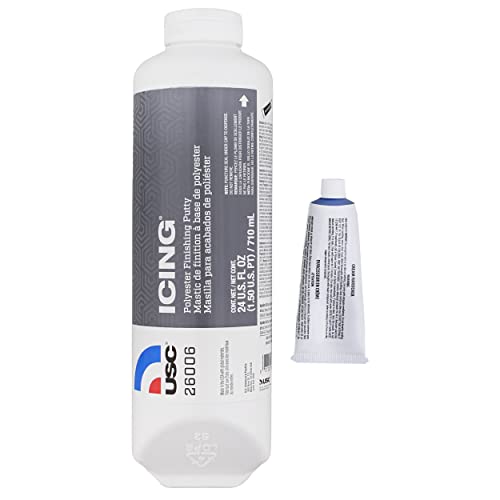
Best for: DIYers seeking a US-made glaze finishing putty for minor imperfections on metal and automotive surfaces. The USC product is straightforward for small repairs and priming-ready once cured. It’s ideal for beginners or hobbyists who want a simple, consistent application without complex mixing steps. Caution: ensure proper curing times to avoid sand-through or resistance during finishing.
Evercoat Body Shop 105035 Pro-Grade Glazing Putty

Best for: professionals and serious DIYers tackling minor dings, pinholes, and low spots on aluminum, steel, and fiberglass. The putty is designed for versatile application and faster sanding, helping reduce overall repair time. It resists staining for a clean final finish. Limitation: longer cure times may influence throughput if you’re on tight project schedules.
High Teck 4820 482 Ultra Glaze Finishing Putty

Best for: users needing a putty with a robust hardener included for a reliable, fast-curing finish. Suitable for medium-sized repairs on varied substrates. Caution: verify compatibility with your primer system to ensure optimal adhesion and finish quality.
KMK K-Glaze G-10440 Automotive Finishing Putty
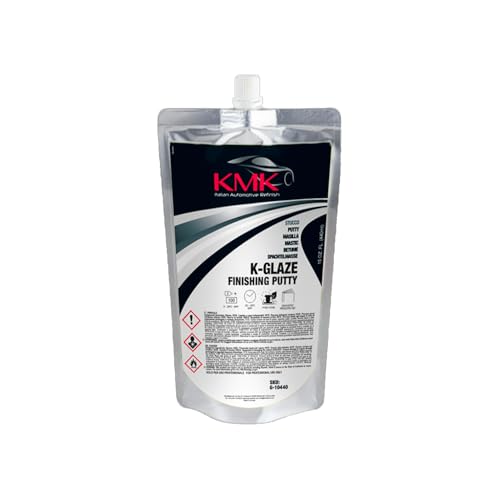
Best for: users seeking high-adhesion, easy-sanding body filler suitable for metal, fiberglass, and plastic. The creamy texture supports smooth spreading and an even coat, while fast drying reduces downtime. Caution: high-adhesion formulas may require thorough surface preparation to prevent pinholes or edge lift.
3M Platinum Plus Glaze, 31180
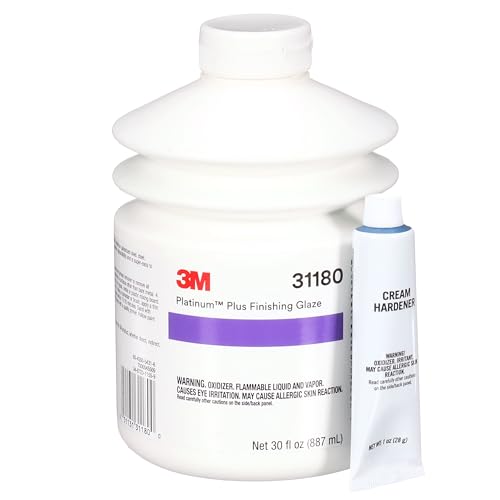
Best for: more demanding finish work where self-leveling and easy sanding are priorities. This two-part glaze provides strong adhesion to galvanized steel, E-coat, aluminum, fiberglass, and OEM paints. Caution: follow mixing instructions precisely to maintain self-leveling properties and cure consistency.
Bondo Glazing and Spot Putty

Best for: versatile repairs including scratches, pinholes, and minor dings on metal, fiberglass, wood, and primed surfaces. It’s useful for quick spot fixes with a 3-minute working time. Caution: avoid over-application on larger areas to prevent cracking as it cures.
Buying Guide
- What type of surface will you repair? Some putties bond better to metal, others to fiberglass or plastic. Check the product’s listed substrates.
- Two-part vs. single-part formulas. Two-part systems (with hardeners) can offer faster cure and stronger adhesion but require precise mixing. Single-part glazing putties are simpler for beginners but may need longer drying times.
- Drying and sanding. Look for fast-drying formulations if you’re on a schedule, but ensure the product sands smoothly without clogging sandpaper. Self-leveling formulas reduce feathering work on flat panels.
- Work time and cure time. Consider the project size and your workflow. A longer work time helps with larger repairs, while rapid cure benefits quick touch-ups.
- Adhesion and surface prep. High-adhesion putties require thorough cleaning, degreasing, and abrasion of the base surface to avoid peeling or pinholes.
- Color-change indicators. Some putties change color as they cure, signaling readiness for sanding. This feature prevents overworking or premature sanding.
- Compatibility with primers and paints. Ensure the putty is compatible with your primer system and topcoat to avoid adhesion failures or finish issues.
FAQ
What is finishing putty used for?
It fills minor imperfections such as dings, scratches, pinholes, and low spots to create a smooth, primed surface ready for paint.
Do I need a hardener with glazing putty?
Some putties are two-part systems with a hardener for faster cure. Follow the product instructions for mixing ratios and cure times.
Can finishing putty be used on fiberglass?
Yes, many glazing putties are formulated for aluminum, steel, fiberglass, and composites. Check substrate compatibility on the label.
How long does it take to sand curing putty?
Sand time varies by product; some may be sandable in as little as 15 minutes, others require longer cure periods. Refer to the manufacturer’s guidance.
Is color-change putty better for beginners?
Color-change indicators help identify cure completion, which is beneficial for beginners and reduces guesswork before sanding.
Can glazing putty replace body filler?
Glazing putty is typically used for finishing small imperfections. For larger dents or structural repairs, a full body filler may be required.