Choosing an auto-darkening welding helmet can impact comfort, safety, and precision. This article highlights five top-rated options that balance eye protection, visibility, and ease of use. Each helmet is suitable for TIG, MIG, ARC, and grinding tasks, with features like true color optics, wide viewing areas, and fast switching times. The selections emphasize blue light protection, solar power, and durable construction to support both hobbyists and professionals.
| Product | Brand | Shade Range | View Area | Power |
|---|---|---|---|---|
| YESWELDER Auto Darkening Welding Helmet | YESWELDER | 3.5-13 | Standard 3.64″ x 1.67″ | Solar |
| YESWELDER Large View Auto Darkening Helmet | YESWELDER | 3/5-9/9-13 | 3.93″ x 3.66″ | Solar |
| Lincoln Electric K3034-4 Viking 3350 | Lincoln Electric | 4C: 9-13 | 12.5 in² | Battery/Solar |
| Miller 287803 Classic Series VS | Miller | 8-13 (Shade) | 6 in² | Solar |
| ARCCAPTAIN Large View 3.94″ x 3.66″ | ARCCAPTAIN | 4-9/9-13 | 3.94″ x 3.66″ | Solar |
YESWELDER Auto Darkening Welding Helmet (Blue Light Blocking)

The YESWELDER helmet offers blue light blocking technology on the outer lens to reduce exposure to high-energy blue light during welding sessions. It provides a wide shade range from 3.5 to 13, covering TIG, MIG, MMA (Stick), and grinding tasks. The design accommodates magnifying lenses for close-up work, and the viewing area is a standard 3.64″ x 1.67″ with true color and 1/1/1/1 optical clarity for improved visibility and reduced eye strain in extended jobs.
YESWELDER Large View Auto Darkening Helmet (Blue Light Blocking)

This helmet emphasizes a larger viewing area (3.93″ x 3.66″) and a broad shade range from 3/5-9/9-13 for TIG, MIG, MMA, cutting, and grinding. It features blue light blocking for eye comfort during long sessions and supports magnifying lenses for precise close-up work. The large field of view helps welders track puddles more accurately and reduces eye fatigue over time.
Lincoln Electric K3034-4 Viking 3350 Auto Darkening Helmet
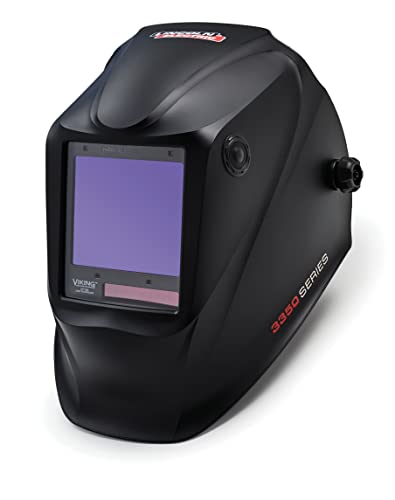
The Lincoln Electric Viking 3350 helmet uses 4C Lens Technology to deliver precise color and clarity, minimizing imperfections and color saturation. It offers a large 12.5 square inch viewing area for broad visibility, and an auto-darkening filter with consistent shade across the viewing window. The combination of superior optics and a roomy viewing matrix helps welders monitor the base metal, arc, and puddle with higher confidence.
Miller 287803 Classic Series VS Helmet

The Miller VS Classic helmet emphasizes a rechargeable solar cell and a six-square-inch viewing area for clear visibility. It supports TIG, MIG, arc welding with shade options from 8 to 13 and a grind shade of 3. The two independent arc sensors enable fast switching (1/23,000th of a second), and digital controls let users adjust shade, delay, and sensitivity for precise, personalized protection during welding tasks.
ARCCAPTAIN Large View Auto Darkening Helmet

This ARCCAPTAIN helmet features a 3.94″ x 3.66″ large auto-darkening viewing area with a true color display and 4 arc sensors. It provides a wide shade range of 4/5-9/9-13 and includes a USB-powered LED light to illuminate the weld area. The helmet uses solar power with replaceable batteries for extended use and is designed to be durable for various welding tasks, including TIG, MIG, arc, grinding, and cutting.
ARCCAPTAIN Auto Darkening with Side View

Note: This ARCCAPTAIN model features an 180° panoramic view with a 3.94″ x 7.06″ full-vision range plus side views for enhanced situational awareness. It uses four arc sensors and rapid switching from light to dark (1/25,000s). The design emphasizes durability with dual solar panels and replaceable batteries to extend service life. A strong option when wide-range visibility is a priority for complex welding layouts.
ARCCAPTAIN Auto Darkening Skeleton Knight

ARCCAPTAIN’s HSH-S800 model offers a 1/1/1/1 optical clarity standard and a 4-arc sensor system with a 1/2.5k second response time. It combines solar power with a long service life, using durable PA material and compatibility with cheater lenses. The helmet supports TIG, MIG, ARC welding and grinding with a broad shade range to cover various tasks, and provides a high-visibility true color experience for critical weld checks.
Buying Guide: Key Considerations For Choosing an Auto-Darkening Helmet
When selecting an auto-darkening welding helmet, consider optics quality, shade range, response time, sensor count, viewing area, and power source. Higher optical clarity ratings (1/1/1/1) indicate less distortion and more accurate color perception, which improves puddle awareness. A wide viewing area enhances situational visibility, especially for large welds or awkward positions. Four arc sensors provide faster, more reliable shading transitions and less eye strain in dynamic welding conditions.
- Optics and true color: Look for 1/1/1/1 optical clarity and true color technology to minimize distortion and improve contrast of the weld pool.
- Shade range: A broad range (roughly 4/5-9/9-13) covers most common welding tasks. Consider extra low minimum shades for precise TIG work.
- Response time: Faster switching (e.g., 1/25,000s) reduces exposure during arc starting and changing conditions.
- Sensors: Four sensors provide better shade stability and coverage around the weld seam.
- Viewing area: Larger screens improve puddle inspection and welding posture tolerance.
- Power: Solar-powered helmets with replaceable batteries often offer longer, maintenance-free use in varying lighting conditions.
- Ergonomics and weight: A balanced, comfortable headgear with adjustable headband reduces fatigue during long sessions.
- Compatibility: If you wear cheater lenses or magnification, ensure the helmet supports lens inserts or has adequate space for them.
Safety and Maintenance Considerations
Regularly inspect the outer lens for scratches and the inner lens for wear. Replace after heavy impact or visible damage. Ensure the auto-darkening lens is calibrated properly to avoid delays in dark states. Clean the helmet with non-abrasive cloth and avoid chemical cleaners that could degrade lens coatings. Store in a cool, dry place to extend sensor and battery life. Always follow the manufacturer’s instructions for maintenance and safe operation.