Looking for a reliable automated garage door opener that works with your smart home? This guide highlights five top options that pair well with Alexa, Google Assistant, Apple HomeKit, or standalone use. Each pick is suited to different households—owners wanting ultra-quiet operation, renters seeking simple installs, or those needing battery backup for power outages. Below is a quick comparison of the five products, followed by detailed sections to help you choose confidently.
| Product | Best For | Key Benefit |
|---|---|---|
| CHAMBERLAIN Smart Garage Control | Smart-home beginners | Wireless hub for smartphone control |
| eKyro Smart Garage Door Opener | Wide compatibility | Broad compatibility with adapters |
| meross MSG100HK | renters & smart upgrades | No hub needed, broad compatibility |
| Chamberlain Belt Drive myQ | Quiet, durable setups | Ultra-quiet belt drive, camera option |
| meross Non-HomeKit Version | Alexa/Google users | No hub required, easy setup |
For each product, you’ll find who it’s best for, why it was selected, and a concise caution to consider before buying. All sections use direct language to help with quick comparisons and straightforward decision-making.
CHAMBERLAIN Smart Garage Control

Features: Wireless garage hub and sensor with Wifi & Bluetooth. Smartphone controlled (myQ-G0401-ES) for remote arming and monitoring. Easy setup complements Chamberlain ecosystems.
Best for: Homeowners who want a simple, integrated hub to control a single opener from a phone or voice assistant. The setup is straightforward for buyers already invested in a Chamberlain/ myQ environment.
Why selected: It provides a compact, hub-based approach that makes existing openers smarter without replacing the opener itself. This is ideal for upgrading an older system with minimal changes.
Caution: Some features may require ongoing app permissions or firmware updates. If you use a non-Chamberlain opener, expect additional compatibility checks.
eKyro Smart Garage Door Opener

Features: Universal WiFi remote controller with compatibility to Alexa, Google Home, iPhone, Siri, and Android. Offers door left-open alerts and security-minded control. An adapter may be required for some openers.
Best for: Users who want strong smart-home integration across ecosystems and voice control across multiple devices. This option emphasizes expansive compatibility and alert features.
Why selected: Its broad voice-assistant compatibility and alerting capabilities make it a solid choice for households using multiple platforms.
Caution: Compatibility varies by opener; verify your model and consider purchasing the adapter if needed before installation.
meross MSG100HK Smart Garage Door Opener

Features: No hub required. Works with HomeKit, Alexa, Google, and SmartThings. Auto-close function and app-based remote control. Broad compatibility with many door openers (adapter may be required).
Best for: Renters or homeowners who want a straightforward, hub-free smart upgrade. This option emphasizes a quick install with broad compatibility that suits many openers.
Why selected: Its no-hub design reduces setup friction, making it easier to retrofit existing garages while still offering robust smart features and remote access.
Caution: Compatibility depends on the door model; some openers may require an adapter to ensure full feature access.
Chamberlain Belt Drive myQ Garage Door Opener
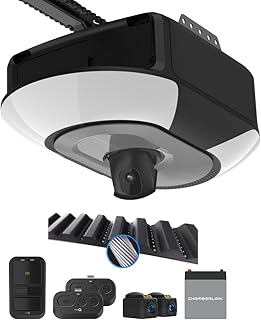
Features: 1-1/4 HP belt-drive, ultra-quiet operation, optional camera, includes remotes, wall control, safety sensors, and battery backup. 10-year motor warranty.
Best for: Homes needing peace and quiet—especially garages adjacent to living spaces—and buyers who want a durable, long-lasting solution with backup power.
Why selected: The belt-drive design and robust warranty provide strong long-term value, particularly for households prioritizing quiet operation and reliability during outages.
Caution: The camera option adds complexity and potential privacy considerations; ensure placement complies with local rules and preferences.
meross Smart WiFi Garage Door Opener Remote (Non-HomeKit)

Features: Remote control via Meross app; compatible with Alexa and Google; supports SmartThings, auto-close, easy installation, no hub required.
Best for: Smart-home enthusiasts who prefer a single app for control and a quick, uncomplicated install. Also suitable for those already using Meross products for unified control.
Why selected: Its no-hub approach and broad voice-assistant support make it a practical upgrade for a wide range of existing doors without major changes.
Caution: Check compatibility with your specific garage door model; some older openers may need adapters to enable full control and features.
Buying Guide
What to consider when choosing an automated garage door opener
- Compatibility with your existing opener: Many smart upgrades work with most brands, but some require adapters or specific models. Verify opener compatibility before purchase.
- Hub vs. hub-free setups: Hub-based systems can offer more features and centralized control, while hub-free options reduce installation complexity and clutter.
- Smart-home ecosystem: Choose a model that natively supports Alexa, Google Assistant, or HomeKit if you rely on those ecosystems for routines and voice commands.
- Noise level and installation: Belt-drive systems are quieter than chain drives, making them better for garages near living spaces. Consider whether you need a camera or battery backup for outages.
- Power backup and security: Battery backup helps during outages, and security features like auto-close and tamper alerts add peace of mind.
- User access and sharing: Look for options to grant access to family, guests, or delivery services through mobile apps without sharing sensitive credentials.
FAQ
- What is the easiest way to upgrade an existing opener to smart control? Answer: Use a universal smart garage door controller or a brand-specific hub that plugs into your existing opener, then connect via app.
- Do I need a hub for smart garage control? Answer: Not always. Some models work directly with Wi-Fi or Bluetooth without a hub, while others require a hub for advanced features.
- Will a smart opener work with all voice assistants? Answer: Most models support at least one of the major ecosystems (Alexa, Google, or HomeKit). Check compatibility before purchasing.
- Can I install a smart opener myself? Answer: Many installs are DIY-friendly, especially hub-free options. Larger installations or those requiring adapters may benefit from professional help.
- Is battery backup important? Answer: Yes, it ensures access during power outages, improving security and convenience when power is unstable.
- What should I consider if my door is old or non-standard? Answer: Verify compatibility with your opener model and check if adapters are required to enable full smart features.