If you’re shopping for a reverse lockout solenoid for boat trailer braking systems, you want components that install reliably, operate predictably, and suit your trailer’s actuators. This guide highlights five solid options that fit common Dexter, Titan, and UFP systems, plus universal reverse lockout solenoids. The top picks are best for boaters who prioritize safety, straightforward wiring, and durable construction. The following product table summarizes key attributes to help you compare at a glance.
| Product | Brand | Best For | Key Feature | Notes |
|---|---|---|---|---|
| ELSOON 12V Solenoid 4748800 / K68-213-00 | ELSOON | Dexter/Titan/Dico actuators | 12V DC operation with 1/8″ NPT male and 3/8″ UNF female connections | Direct compatibility for common surge actuators |
| ELSOON Disc Brake Solenoid XF-302A | ELSOON | Dexter brake actuators | Reverse flow solenoid for drum brake systems | Versatile for various brake setups |
| UFP Reverse Lockout Solenoid (2020+) | Generic | Utility and multiple systems | Durable iron construction; compact | Simple integration option |
| 34500U Electric Reversing Solenoid | Generic | Dexter Trailer Buddy systems | Independently wired 5-flat trailer connection | Best when wiring flexibility matters |
| Tie Down Engineering 81103 | Tie Down | Marine reverse lockout needs | Standard marine auto accessory | Solid, market-recognized option |
ELSOON 12V Solenoid for Dexter/Titan Actuators

This solenoid (Part Numbers: 4748800 for Titan and 068-213-00 / K68-213-00 for Dexter) is designed to fit Dexter/Titan/Dico 60 SURGE ACTUATORS with reverse lockouts. It operates at 12V DC and uses a 1/8″ NPT male and 3/8″ UNF female connection. Best for trailer setups that require direct actuator compatibility and straightforward wiring. Choose this if your system uses Titan or Dexter surge actuators and you want a labeled, easy-to-match part. Caution: verify exact actuator model to ensure electrical and hydraulic compatibility.
ELSOON Disc Brake Solenoid XF-302A

The XF-302A reverse-flow solenoid is designed for Dexter Tie Down Engineering brake actuators and can be used with drum brake systems. It’s suited for guitar-brake-style setups where reverse locking is essential to avoid accidental actuations. Best for users who want a reliable, compact option that works with Dexter brake components. Better for drum-brake configurations; may be less ideal for non-Dexter systems without adapter fittings. Caution: confirm compatibility with your specific brake actuator model.
UFP Reverse Lockout Solenoid After 2020

Generic UFP reverse lockout solenoids offer durable iron construction and a compact profile for integration into a variety of systems. They are best for utility and general use where the reverse lockout feature prevents unintended engagement. Choose this when you need a robust, space-conscious option and compatibility with older or uncertain setups. Limitation: exact model compatibility should be verified against your trailer’s brake actuator and wiring harness.
34500U Electric Reversing Solenoid
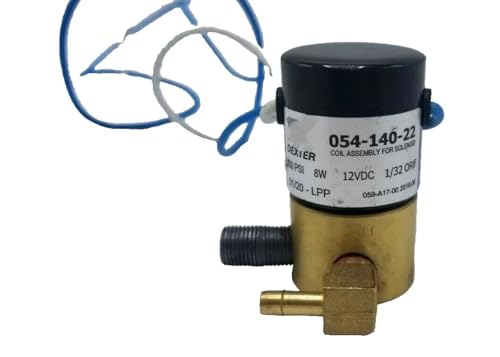
This reversing solenoid is designed for Dexter Trailer Buddy 054-140-22 systems and supports independent wiring via a 5-flat plug on the trailer and tow vehicle. It is ideal for installations where separate wiring control is preferred or required. Best for users who want flexible wiring options and direct integration with a 5-flat harness. Limitation: ensure the 12V supply and back-up light circuit are properly wired to avoid unintended lockouts.
Tie Down Engineering 81103 Marine Reverse Lock Out Solenoid

Tie Down Engineering’s 81103 marine reverse lockout solenoid is a solid marine accessory designed to suit typical boat trailer applications. It is positioned as a reliable auto accessory that enhances safety by preventing accidental brake engagement. Best for boat trailers that rely on Tie Down components and similar actuator systems. Caution: verify mounting space and actuator interface before purchase to ensure a clean fit.
Buying Guide: Key Purchase Considerations
What actuator type do you have? Reverse lockout solenoids must match the actuator brand and model (Dexter, Titan, Dico, UFP, etc.). Verify thread sizes and electrical voltage to ensure proper fitting and operation.
Wiring and power needs: Most solenoids run on 12V DC. Consider how you will connect to your trailer’s back-up light circuit or 12V power source. Some options offer independent wiring for flexible installations.
Durability and environment: Marine trailers face exposure to saltwater, humidity, and vibration. Look for solid housings (iron or metal frames), corrosion resistance, and secure mounting options.
Space and compatibility: Check the physical size and mounting profile. A compact solenoid may be easier to fit in tight spaces but ensure it maintains reliable engagement under braking loads.
Maintenance and replacement: Some models are designed for easy replacement given standard connectors and fittings. Consider availability of spare parts or compatibility with existing actuators.
Frequently Asked Questions
- What is a reverse lockout solenoid used for? It prevents unintended engagement of trailer brakes when moving in reverse, enhancing control and safety.
- Which solenoid fits Dexter actuators? Solenoids listed as Dexter-compatible (such as 4748800 or 068-213-00) are designed for those actuators; verify exact model numbers before purchasing.
- Can I mix brands in a single trailer system? Mixing brands is possible but may require adapters or custom wiring. Ensure electrical specifications and thread sizes match.
- Is 12V DC power standard for these solenoids? Yes, most solenoids in this category operate at 12V DC; confirm voltage in the product details.
- Do these solenoids require professional installation? Some installations are straightforward for experienced DIYers; others may benefit from a professional to ensure correct wiring and braking safety.
- What maintenance is needed for reverse lockout solenoids? Regularly inspect wiring, connectors, and actuator interfaces for corrosion or wear; replace seals or fittings as needed to prevent leaks or failure.