If you need a quick fix for a cooling system leak, these sealers offer pour-and-go solutions that work with various antifreeze formulations. They’re best for drivers seeking a simple, non-flushing treatment to stop minor leaks in radiators, heater cores, and other cooling-system components. The top picks here target different needs—easy application, compatibility with common materials, and concentrated formulations for small or stubborn leaks. The buyer types most likely to benefit include DIYers handling minor leaks, owners of older vehicles, and those looking to postpone a costly repair.
| Product | Best For | Key Benefit |
|---|---|---|
| K-Seal ST5501 Multi-Purpose One Step Coolant Leak Repair | General, mixed antifreeze systems | Pour-and-go, no flushing required |
| Bar’s Leaks Cooling System Radiator Stop Leak | Plastic, aluminum, and metal radiators | Wide material compatibility |
| ACDelco GM Original Equipment Sealing Tabs | GM vehicles, small leaks | OEM-compatible tabs for targeted sealing |
| WELDIT WS-1P Radiator Stop Leak | Small, quick fixes, USA-made | Multiple vials for gradual dosing |
| Bar’s Leaks Liquid Copper Block Seal | Intake and radiator leaks | Copper-based sealant for metals |
K-Seal ST5501 Multi-Purpose One Step Coolant Leak Repair

Best for: General use in mixed antifreeze systems. This 8 oz, pour-and-go formula claims compatibility with all antifreeze types and requires no flushing. It’s designed to seal leaks in cooling systems without disassembly, helping address small cracks, gasket leaks, and hose seepage. Selection rationale: straightforward application and broad compatibility make it a versatile option for varied vehicle makes. Limitation: effectiveness can vary with leak size, and severe leaks may require professional service.
Bar’s Leaks Cooling System Radiator Stop Leak 16.9 oz.

Best for: Radiators, heater cores, and gaskets in plastic, aluminum, and metal systems. Bar’s Leaks is a longstanding option with broad material compatibility. Rationale: its formulation targets a wide range of cooling-system leaks and is a common first-choice for drivers seeking a repair-friendly seal. Caution: results depend on leak severity; large holes may require professional repair.
ACDelco GM Original Equipment Sealing Tabs

Best for: GM vehicles and minor leaks where OEM replacement parts are preferred. These tabs are designed as a targeted sealing solution that works with specific engine cooling system configurations. Rationale: OEM-origin parts can offer compatibility with GM vehicles, reducing guesswork on part replacements. Limitation: effectiveness is tied to correct placement and system compatibility; may not seal larger leaks.
WELDIT WS-1P Radiator Stop Leak Sealer

Best for: Quick, small-volume dosing on USA-made products. This kit includes multiple 20-gram vials, allowing gradual dosing and monitoring of results. Rationale: a modular approach helps tailor sealing strength to the leak size and reduces the risk of over-sealing. Caution: compatibility and long-term durability can vary by vehicle and leak type; use as directed.
Bar’s Leaks 1109 Liquid Copper Block Seal
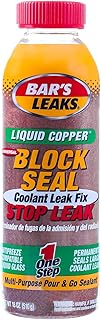
Best for: Intake and radiator leaks where a copper-based solution is suitable. The block-seal formula aims to form a robust seal on metal surfaces. Rationale: copper-based products can offer strong sealing potential on metal components. Limitation: copper-based products may not be ideal for all plastics or composite parts and can interact with certain coolants; test compatibility first.
Buying Guide
What type of leak do you have? Identify if the issue is a small crack, gasket seepage, or a loose connection. For minor leaks, a pour-and-go sealer is often sufficient; for larger or multiple leaks, professional repair may be necessary.
Is the vehicle’s cooling system compatible with stop-leak products? Some sealers are formulated for specific materials (plastics, aluminum, copper) or vehicle makes. Check manufacturer guidance and vehicle compatibility before use.
How much leakage is present? For slow drips, short-term sealants may suffice; larger leaks typically require mechanical repair or part replacement. Consider monitoring the system after treatment with a cooling-system pressure test.
What are potential side effects or limitations? Sealants can interact with hoses, radiator cores, and cooling fans. Overuse can cause clogging in passages or radiator channels. Follow dosing instructions and avoid multi-product stacking without guidance.
How should I apply and test after application? After adding a sealant, run the engine to operating temperature to circulate the product, then check for leaks. If the leak persists or worsens, seek professional assistance.
FAQ
- Will stop-leak products fix all leaks? Not always. They are designed for minor leaks and may not fix large holes or severely damaged components.
- Can I use stop-leak with any antifreeze? Most formulas claim compatibility with common antifreezes, but verify product guidance for your specific coolant type.
- Will stop-leak void my radiator warranty? Some warranties may have restrictions; consult vehicle and part warranties before use.
- Should I flush the system after using stop-leak? Many products require no flushing, but follow the product’s instructions and consider professional advice if issues persist.
- Can stop-leak cause damage if overused? Excessive dosing can lead to blockages or deposits; use only the recommended amount for the leak size.
- When to replace a failing radiator or gasket? If leaks are frequent or large, replacement is usually necessary rather than sealing.