If you’re repairing fiberglass car bodies at home, choose a kit that combines strong bonding, waterproof sealing, and easy handling. These five options are optimized for automotive fiberglass, offering durable results, straightforward application, and support across common DIY skill levels. Best for beginners, intermediate hobbyists, and professional-looking patches alike, each kit focuses on reliable adhesion, finish quality, and practical curing times. Below is a quick buyer’s snapshot to help you compare at a glance.
| Product | Best For | Key Benefit | Notes |
|---|---|---|---|
| 3M Bondo Fiberglass Resin Repair Kit 00420 | Beginners & Home Repairs | Waterproof, multi-surface bonding | 0.45 pint; quick, DIY fix |
| Evercoat Body Shop 105015 Pro-Grade Filler | Professional-like finish | Fast-drying, lightweight, easy sand | 13 fl oz; excellent adhesion |
| 3M Bondo Fiberglass Resin Repair Kit 00422 | Versatile patches | Waterproof, strong bond | 0.9 quart; larger volume |
| RAPTOR Fiberglass Repair Kit | All-around tough repairs | All-in-one kit; weatherproof | Includes matting and applicators |
| Evercoat Body Shop 105010 Pro-Grade Reinforced Filler | Durable, long-term repairs | Reinforcing fibers; versatile | 13 fl oz; strong for rust spots |
3M Bondo Fiberglass Resin Repair Kit 00420

Best for basic holes, scratches, and patches on fiberglass surfaces. This lightweight, easy-to-use kit includes resin, hardener, and basic tools for a ready-to-patch fix. It forms a waterproof seal suitable for automotive, boats, and other fiberglass projects. The formula supports bonding to concrete, wood, metal, and fiberglass, making it a versatile starter option. Use this kit when you want a straightforward, low-cost repair that dries quickly and sands smoothly. Caution: work in a well-ventilated area and follow curing instructions for best results.
Evercoat Body Shop 105015 Pro-Grade Body Filler Kit
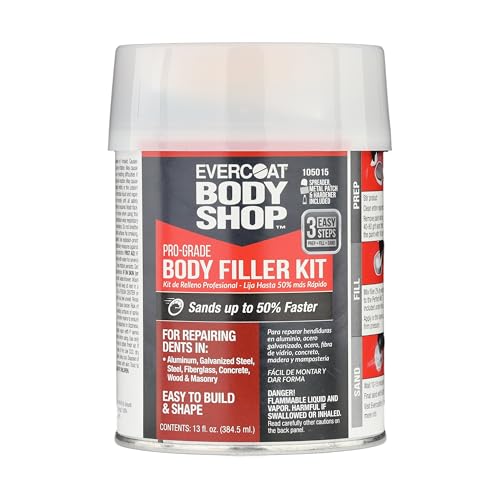
Best for professional-like results on dents in aluminum, fiberglass, and more. This pro-grade filler is designed for fast drying, easy shaping, and strong adhesion across multiple substrates. It’s particularly effective for deeper dents and areas requiring long-lasting performance. This kit is well-suited for serious DIYers or hobbyists aiming for a near-professional finish. Limitation: sanding may require more effort on very rough surfaces to achieve a flawless finish.
3M Bondo Fiberglass Resin Repair Kit 00422

Best for larger patches and heavier-duty repair tasks. This set expands on the 00420 with a larger volume, enabling more patches per project and suitability for longer or multiple repairs on boats or vehicles. It provides waterproof adhesion and versatility across surfaces such as concrete, wood, metal, and fiberglass. Limitations include longer cure times in cooler environments; ensure proper ventilation during use.
RAPTOR Fiberglass Repair Kit

Best for all-in-one repairs on holes, splits, and cracks across metal, wood, brick, and plastics. The kit includes fiberglass resin, hardener, applicators, mixing cups, sticks, and matting, delivering a complete package for compact repairs. It’s weatherproof once cured and suitable for indoor or outdoor use. Caution: read surface prep steps carefully to maximize adhesion on slick or glossy finishes.
Evercoat Body Shop 105010 Pro-Grade Reinforced Filler
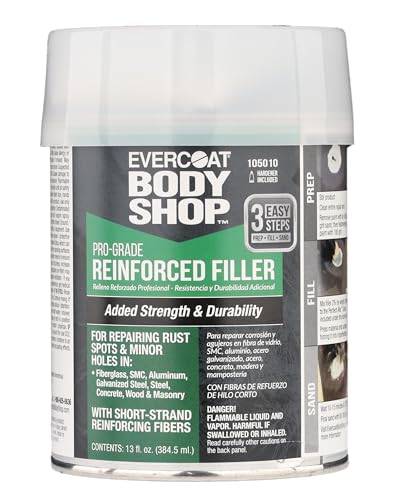
Best for durable, long-term repairs in fiberglass, steel, and aluminum. The reinforced filler uses short fibers for added strength, making it ideal for rust spots, minor holes, and bond lines. It’s designed for easy mixing and contouring, producing a smooth finish ready for sanding. A potential limitation is that it may require longer curing times in cooler temperatures, so plan repairs accordingly.
Buying Guide
What should I look for in a fiberglass car body repair kit?
Key factors include adhesive strength, waterproof sealing, surface compatibility, cure time, and finish quality. Look for kits that explicitly mention fiberglass compatibility, ease of sanding, and moisture resistance. Consider the size of the project to choose between small, medium, or large-volume kits.
What surfaces can these kits repair?
These kits typically work on fiberglass, automotive metal, wood, masonry, and some plastics. If your project involves rust-prone metal, choose a kit with reinforced fillers or rust-preventive properties.
How important is cure time?
Cure time affects project scheduling. Shorter cure times allow faster completion but may require stricter temperature and humidity control. Longer cures can improve strength for heavier repairs but delay results.
Are all-in-one kits better than separate components?
All-in-one kits are convenient for beginners and small repairs, offering resin, hardener, cloth, and tools in a single package. Separate components can benefit advanced users who want to tailor resin hardness, cloth weight, or curing pace for larger or specialized repairs.
How should I prepare the surface?
Clean the area, remove loose material, and roughen glossy surfaces with sandpaper. For metal, remove rust and apply a suitable primer after repair if needed. Proper surface prep improves adhesion and finish quality.
What safety steps are essential?
Work in a well-ventilated area, wear gloves and eye protection, and follow product-specific safety data. Avoid skin contact with resin and hardener, and dispose of waste according to local regulations.
Which kit is best for beginners?
Starter-friendly options are those labeled as easy-to-use or beginner kits, such as the 3M Bondo 00420 or similar all-in-one packages. They provide straightforward mixing instructions and cure-ready surfaces suitable for common automotive cosmetic repairs.
FAQ
- Q: Can I use fiberglass repair products on a car body only? A: They’re designed for automotive use but can also repair boats, trailers, and similar fiberglass structures.
- Q: Do these kits require special tools? A: Most kits include basic tools; additional items like sandpaper or paint may be needed to finish the repair.
- Q: Will repairs be waterproof? A: Many kits claim waterproof seals when fully cured. Check product details for applicability to outdoor exposure.
- Q: How long does a typical repair take? A: Surface prep and curing can span several hours to a day, depending on temperature and humidity.
- Q: Is sanding required after curing? A: Yes, most repairs require sanding for a smooth, paint-ready finish.
- Q: Can these be used on aluminum surfaces? A: Some fillers are formulated for aluminum; verify compatibility before use.