Answering the search for motor oils with the highest zinc content, this guide highlights five options that emphasize zinc-based protection for engines demanding maximum anti-wear performance. These picks are best for classic cars, racing builds, and engines needing robust film strength to guard pistons and bearings under high stress. Each product is evaluated for zinc level focus, film strength, and suitability for track or street use. The list helps buyers compare formulation goals and choose the oil that matches their engine type and maintenance plans.
| Product | Best For | Zinc Focus | Notes |
|---|---|---|---|
| Lucas Oil 10679 Hot Rod & Classic Car SAE 10W-30 | Hot rods and classic engines | High zinc/Mo/P | Thick additive film for protection |
| Castrol GTX Classic 20W-50 | Classic engines under heavy use | High zinc/phosphorus | Tough oil film, low foaming |
| Valvoline VR1 Racing 20W-50 | Racing and performance builds | 2X zinc with ZDDP | Extreme anti-wear protection |
| Valvoline VR1 Racing 10W-30 | Racing and mixed-use tracks | High zinc/ZDDP | Strong film in varied temps |
| Lucas Oil 10631 Racing Engine Break-In Oil 30 | Engine break-in and initial race prep | Zinc-rich | Supports ring seal and initial protection |
Lucas Oil 10679 Hot Rod & Classic Car 10W-30 Motor Oil

This oil is designed for high zinc content, with a base of paraffinic oils and an additive package featuring elevated zinc, molybdenum, and phosphorus. It forms a tougher, thicker film for maximum engine protection. Best for classic car engines and hot rod builds that run at higher temperatures or under demanding conditions. Limitations include that it is formulated for older or specialty engines; verify compatibility with your engine’s approved oil spec.
Best for: Classic cars and hot rods needing a strong zinc-rich film to guard against wear in high-stress operation.
Castrol GTX Classic 20W-50 Conventional Motor Oil
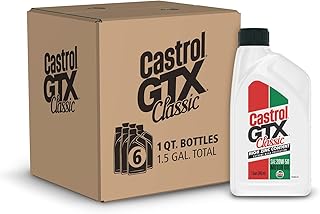
This Castrol formula emphasizes high zinc and phosphorus to support extreme wear protection. It maintains a tough, thick oil film even under severe conditions and features minimal foaming and good resistance to thermal degradation. Choose this for classic engines that see heavy use, but be mindful of its thicker viscosity in cold starts for some modern daily drivers.
Best for: Classic engines that experience heavy use and warmth, where a strong protective film is key.
Valvoline VR1 Racing Synthetic SAE 20W-50

VR1 Racing with high ZDDP combines phosphorus with twice as much zinc for superior film strength and anti-wear protection on pistons, cams, and bearings. This product is compatible with gasoline and partial alcohol fuels in track and street service. It includes anti-foaming agents and thermal breakdown resistance to guard high-compression engines from stress. It’s well-suited for racing or performance engines that require robust protection; note that synthetic formulations are generally more temperature-stable but can be less forgiving on older engines if not matched correctly.
Best for: High-stress racing or performance builds needing maximum zinc and film strength.
Valvoline VR1 Racing SAE 10W-30

This racing oil uses high levels of ZDDP with phosphorus and 1.7X more zinc, delivering strong film strength and anti-wear protection on critical engine parts. It’s designed for both track and street service, with anti-foaming and resistance to thermal breakdown. Choose this if your engine runs on a mix of fuels or if you need reliable protection during hot-weather or high-RPM operation. A limitation is that some engines designed for conventional oils may require a different viscosity or zinc balance.
Best for: Sport and track-ready engines that require robust zinc protection and reliable wear resistance.
Lucas Oil 10631 Racing Engine Break-In Oil
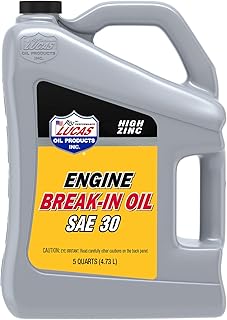
This 5-quart oil is designed to support quicker, more efficient ring seal during engine break-in for flat tappet and roller cam applications. It provides protection and performance as engines transition to race-ready oil lines. Best for initial break-in and pre-race prep. The product is not intended as a long-term street oil; use as directed for break-in phases only and follow manufacturer guidance for subsequent oil changes.
Best for: Engines in the break-in phase or prior to race-ready switching, to optimize ring sealing and initial protection.
Buying Guide: How To Choose High-Zinc Oil
What level of zinc does your engine need? Older or performance engines often benefit from higher ZDDP content and zinc to improve wear protection. Consider the engine’s operating temperature, RPM, and fuel type when selecting oil. For many classic cars and race-prep builds, a zinc-rich conventional or synthetic racing oil provides better film strength than standard street oils.
What should you look for in a high-zinc oil?
- Zinc and phosphorus balance: ZDDP levels and a protective phosphorus share.
- Viscosity suitable for climate and engine type: 10W-30, 20W-50, etc.
- Compatibility with fuels used: gasoline-only vs. fuel blends that include ethanol or alcohols.
- Film strength and anti-foaming performance to prevent wear under high RPM.
Best uses by engine type
- Classic and hot rod engines: Higher zinc content supports flat-tappet lifters and camshafts.
- Racing and performance builds: Maximum film strength to protect pistons and bearings under load.
- Break-in phases: Specific break-in oils help establish a seal before switching to racing lines.
Practical comparison tips
- Avoid excessive zinc in engines requiring low-ZDDP formulations, unless recommended by the engine builder.
- Choose the correct viscosity for your seasonal temperatures and driving style.
- Follow oil-change intervals appropriate for racing or hot-weather operations.
FAQ
- Q: Do all high-zinc oils work the same for classic engines? A: No, zinc balance, viscosity, and base oil type differ; match to engine design and usage.
- Q: Is zinc content more important than viscosity? A: Both matter; proper viscosity ensures the zinc-based film forms correctly under load.
- Q: Can I use racing oil in daily driving? A: It’s possible, but consider fuel efficiency, cold-start behavior, and engine design compatibility.
- Q: When should I switch from break-in oil to racing oil? A: Follow the engine builder’s guidelines for break-in duration and transition timing.
- Q: Are there engines that require no zinc additives? A: Some modern engines with specific warranty or material designs may require different formulations; consult the engine manufacturer.
- Q: Does higher zinc content damage catalytic converters? A: Zinc content mainly affects wear protection; follow manufacturer recommendations to ensure compatibility with emissions systems.