If you’re upgrading a lawn mower with a side or horizontal shaft, choosing the right engine is essential for durability and performance. This guide highlights five strong options, from compact 173cc units to larger 500cc INTEK engines, to help you match power, fuel efficiency, and maintenance needs. The buyer profiles note who each engine is best for, plus practical considerations to avoid common issues.
| Product | Best For | Key Benefit |
|---|---|---|
| Aceup Energy Gas Engine Vertical Shaft, 173cc | Small to mid-size mowers; budget-conscious buyers | Compact 4-stroke, easy starting |
| maXpeedingrods 212cc Engine | Versatile hobby projects; multiple tool applications | Strong power, wide use cases |
| Briggs & Stratton 44S977-0032-G1 | Durable long-run mowers; demanding jobs | OHV cooler operation, durable components |
| Aceup Energy 173cc Vertical Shaft | Replacement for smaller mowers; simple installs | Primer-assisted starts |
| Briggs and Stratton INTEK 17.5 HP | Large mowers; high-powered needs | High horsepower and robust design |
Aceup Energy 173cc Vertical Shaft Gas Engine

Best for compact, easy-start lawn mower projects where fit and weight matter. This 4-stroke OHV engine runs around 2500–2800 RPM and delivers up to 4.4 HP at 3600 RPM, with a 0.9-gallon fuel tank for short to mid-length mowing sessions. The shaft is 7/8″ diameter with a 3/8″-24 UNF end, and the unit includes a primer for cold starts. Suitable for riders who want a straightforward replacement with minimal modifications. A note: limited fuel capacity means more frequent refueling on large lawns.
maXpeedingrods 212cc Gas Engine
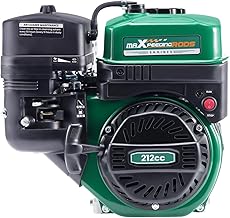
Best for flexible, multi-application use where higher torque supports various attachments like go-karts, compressors, and lawn equipment. This 212cc 4-stroke OHV engine delivers 7 HP with a 3/4″ shaft diameter and 3/16″ keyway, plus a 3.6-liter fuel tank and 0.6-liter oil capacity. It emphasizes fuel efficiency and robust power output, making it ideal for homeowners with more demanding yard tasks or those who want a universal engine for different tools. Caution: engine power may require appropriate mounting and linkage adjustments on some mowers.
Briggs & Stratton 44S977-0032-G1 25 GHP Vertical Shaft Engine

Best for long-lasting lawn mower replacements where cooler operation and longevity are priorities. This OHV design includes a dura-bore cast iron cylinder sleeve for extended life, full-pressure lubrication, and an integrated PTO bearing. It’s well-suited for buyers seeking dependable operation under frequent, heavy mowing conditions. Limitation: the design focuses on durability over compact size, so it’s best for larger decks or reinforced mounts where space allows.
Aceup Energy 4.4HP 173cc Vertical Shaft Engine

Best for replacement in smaller mowers needing a quick, primer-assisted start. This engine mirrors the 173cc vertical shaft concept with a 4-stroke OHV design and a primer system to facilitate cold starts. It’s a good fit for homeowners who want a simple drop-in option without major modifications, but like the other Aceup options, fuel capacity is modest and cycles may require frequent refills on larger lawns.
Briggs & Stratton INTEK 17.5 HP Vertical Engine

Best for high-demand mowing and larger equipment, this INTEK engine delivers substantial horsepower with a rugged build. It’s designed to handle larger decks and tougher grass conditions, providing robust performance and durability. Consider this option if your mower requires serious power and you’re upgrading to a heavier cutting workload. A potential limitation is that the larger engine may require a stronger mounting frame and spacing considerations on smaller mower designs.
Buying Guide: Key Considerations
- Engine size and horsepower: Match the engine displacement and HP to your mower’s deck width and cutting load. Higher horsepower is beneficial for heavy growth or larger decks but requires more fuel and space.
- Vertical vs. horizontal shaft: A vertical shaft is typical for standard push mowers; a horizontal shaft may suit certain deck configurations and attachments. Ensure compatibility with mounting patterns and drive components.
- Starting system: Primer or easy-start features can improve cold-start reliability. Consider how often you start the mower and climate conditions in your area.
- Fuel capacity and efficiency: Larger tanks reduce refueling frequency but add weight and size. Balance tank capacity with expected mowing duration per session.
- Durability and maintenance: Look for engines with durable cylinder sleeves and reliable lubrication. OHV designs often deliver cooler operation and longer valve life.
- Compatibility and installation: Check shaft diameter, end threading, keyway size, and mounting pattern to ensure a smooth swap or retrofit.
FAQ
- What is the advantage of an OHV engine for lawn mowers?
OHV engines are generally more fuel-efficient and offer cooler operation with improved torque and longer valve life compared to older designs.
- How do I choose between a 173cc and a 212cc engine?
Choose 173cc for smaller decks and lighter mowing tasks; choose 212cc for heavier mowing conditions, taller grass, and more varied applications.
- Is a vertical shaft engine required for most mowers?
Most standard lawn mowers use vertical shafts, but verify your mower’s shaft type and mounting before purchasing.
- What maintenance should I perform after installing a new engine?
Follow the manufacturer’s break-in, lubrication, and fuel recommendations; check oil levels and air filters regularly.
- Are primer-assisted starts necessary in warm climates?
Primers help cold starts; in warm climates, hot restarts may not require priming, but consult the engine’s start procedure for best results.