Stop flats before they derail your ride. This guide highlights top stop-flat tire liners designed to shield inner tubes from thorns, nails, glass, and road debris. Suitable for road, mountain, and commuter bikes, these liners help riders who want longer tire life and fewer roadside repairs. The featured products are chosen for compatibility across common wheel sizes, ease of application, and proven puncture protection. Best for daily commuters, casual riders, and enthusiasts seeking reliable flat-tire defense.
| Product | Wheel Sizes | Protection Type | Best For |
|---|---|---|---|
| Julai Bike Tire Liners | 20″–29″ (one size fits most) | 1 mm polyurethane liner, puncture protection | Year-round commuting, mixed-terrain riders |
| Stop Flats2 Road Bicycle Tire Liner | Most standard 20″–29″ bikes | Two-layer protection, thorn and debris resistant | Road cyclists seeking heavy-duty protection |
| Bike Tire Liner (2 Liners) | 2300 mm length, fits multiple widths | 1 mm liner; barrier between tube and tire | Mountain and gravel riders needing strong defense |
| Corki Cycles Tire Liners (2-Pack) | 12″–29″ plus 700c variants | TPU, self-adhesive; 23 mm width | Road and narrow-titling tires; racers and urban riders |
| CNCLOL Bike Tire Liner | 16″–29″ and 700c; fits 1.75″–2.4″ tires | 1.2 mm TPU, self-adhesive; anti-puncture | Fat-tire-adjacent bikes and versatile daily riders |
Julai Bike Tire Liners

One-size-fits-many: these liners are designed to fit bikes using 12″ to 29″ tires, with a single pair included for two tires. The liner is 1 mm thick and constructed from high-quality polyurethane to minimize weight while maximizing wear resistance. Best for riders who want a simple setup that covers a broad range of wheel sizes without carrying multiple liners. Caution: some installers report fit varies with ultra-narrow or unusually wide tires; confirm compatibility before purchase.
Stop Flats2 Road Bicycle Tire Liner

America’s #1 Tire Liner claims two-layer protection to guard against thorny debris and road hazards. This liner is marketed for road cyclists who demand robust puncture defense on paved surfaces and light off-road use. Best for riders who prioritize maximum protection over weight and want a proven two-layer design. Limitation: some users may find the installation slightly stiffer on certain tire-tube configurations; ensure proper seating during fitment.
Bike Tire Liner (Two Liners)

Two liners provide a broad shield between tube and tire. Designed for mountain bikes, it uses a 1 mm thick liner with easy installation via high tensile strength. Best for riders who want dependable puncture protection without complex modulation. Caution: Data notes a slightly larger profile; consider impact on tire clearance in tight frames.
Corki Cycles Self-Adhesive Tire Liners

Self-adhesive 23 mm liners fit a wide range of tires from 16″ to 29″ and 700c. They’re designed for road, mountain, and racing tires with narrow widths, offering TPU durability and a secure adhesive backing. Best for riders who prefer easy, mess-free installation and a clean inner-tire surface. Limitation: adhesive may require careful mounting to avoid air pockets; align properly before full seating.
CNCLOL Bike Tire Liner
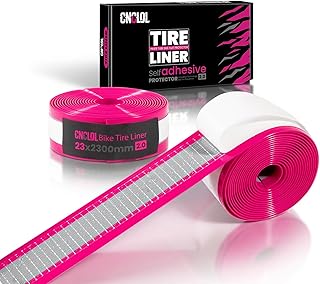
Self-adhesive liner with 1.2 mm thickness provides a sturdy barrier against thorns, glass, nails, and debris. It fits multiple wheel sizes from 16″ to 29″ and 700c, including wider tires from 1.75″ to 2.4″. Best for riders needing broader wheel compatibility, including some fat-tire-adjacent setups. Caution: described thickness slightly higher at 1.2 mm; ensure compatibility with your tire clearance and rim type.
Buying Guide
What should I look for in a tire liner?
Thickness, compatibility, and adhesion matter. Most liners range from about 1.0 mm to 1.2 mm. Choose a liner that covers your typical tire width and wheel size. Self-adhesive designs simplify installation, especially for first-time users.
Which liner is best for road vs. mountain bikes?
Road-focused liners typically favor slimmer profiles (narrower widths) and lighter weight. Mountain and gravel riders often benefit from slightly wider liners and robust adhesion to resist debris on rough surfaces.
How important is ease of installation?
Easy installation reduces the risk of misalignment that can cause tire seating issues. Self-adhesive options are popular for DIY setups and quick replacements.
What trade-offs should I expect?
Higher protection sometimes adds weight and may affect tire clearance or seating. Choose a liner that balances protection with fit for your specific wheel and brake setup.
Maintenance and inspection tips
Inspect liners during tire changes for any signs of wear or peeling. Replacing liners when they show damage maintains puncture protection efficacy and prevents unexpected flats.
Who should consider these liners?
Daily commuters, trail riders, and road cyclists who want fewer flats, longer tire life, and simpler repairs will find liners beneficial. They’re especially useful for riders frequently traveling through debris-prone areas or urban environments with glass and nails.
Summary of top picks
For broad compatibility and strong protection, consider Corki Cycles or CNCLOL liners. Those seeking a straightforward install with broad wheel size support may prefer Julai or Stop Flats2. For road-specific riders with narrow tires, Corki Cycles offers a tidy balance of thickness and adhesive hold. The Stop Flats2 option is favored for aggressive debris-prone routes and two-layer protection.
FAQ
Q: Do tire liners require special tools?
A: No special tools are required; most liners simply peel and adhere to the inner surface of the tire or bead area depending on the design.
Q: Will a liner fix a punctured tire?
A: No, liners prevent punctures by blocking sharp objects but do not repair a tire once a puncture occurs.
Q: Can liners be used with tubeless setups?
A: Liners described here are intended for inner tubes; tubeless systems use different protection methods and sealants.
Q: Are liners compatible with all rims?
A: Most liners fit common road and mountain bike rims; check the liner’s width and length against your tire and rim specs before purchase.