When sealing diesel fuel threads, choosing a reliable thread sealant is essential for preventing leaks and corrosion. This guide highlights five proven products that work well with diesel systems, including metal and certain plastic fittings. It targets buyers who need a durable, temperature- and chemical-resistant seal. The top picks span cream, paste, and gel-style sealants, offering options for high-temperature environments and ethanol-blended fuels.
| Product | Type | Best For |
|---|---|---|
| Permatex 80632 | Cream, PTFE | General diesel fittings, moderate temps |
| Permatex 59214 | High Temperature Sealant | High-heat diesel applications |
| Permatex 59235 | High Temperature Sealant | High-heat diesel inline connections |
| Gasoila Soft-Set | Non-Hardening Paste | Metal & plastic, versatile temps |
| Gasoila Ethanol E10 / E85 | Non-Hardening Paste | Diesel systems with ethanol blends |
Permatex 80632 Thread Sealant With PTFE
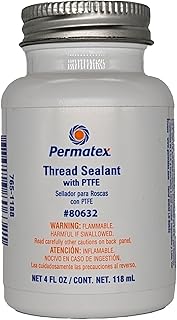
Best for: General diesel fittings where moderate temperature resistance and ease of use are priorities. This sealant combines PTFE’s lubricating properties with a robust thread seal. It forms a flexible bond that resists vibration and seepage in standard diesel line connections. The cream formulation is easy to apply and wipe away before curing to reduce mess. Caution: Follow application guidelines to avoid excess sealant, which can cause misalignment or obstruct threads.
Permatex 59214 High Temperature Thread Sealant
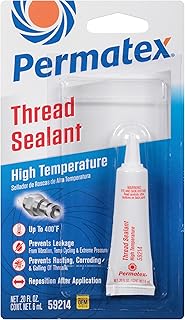
Best for: Diesel applications exposed to higher temperatures, where heat stability matters. This sealant is designed to tolerate elevated temperatures without losing its sealing ability. It’s suitable for metal pipe threads and other fittings that experience heat cycling. Limitation: It’s a higher-temperature formulation, which may be unnecessary for low-temperature diesel lines, potentially adding stiffness to small-diameter threads.
Permatex 59235 High Temperature Thread Sealant

Best for: High-heat diesel fittings and areas where vibration is common. This product offers strong resistance to heat and chemicals, helping prevent leaks in demanding environments. Choose this if your diesel system faces sustained temperature spikes. Caution: Ensure compatibility with the specific fuel lines and fittings, and avoid using on plastic threads if not rated for the material.
Gasoila Soft-Set Pipe Thread Sealant

Best for: Metal and plastic diesel fittings needing a non-hardening, drip-resistant seal. The soft-set paste remains flexible after curing, making it suitable for threaded connections subject to vibration. Limitation: It is a non-hardening paste, so it may require more careful application to prevent seepage through fine threads if not applied evenly.
Gasoila Thread Sealant For Ethanol E10 & E85

Best for: Diesel systems using ethanol blends or ethanol-compatible fuel lines. This opaque dark green paste is non-hardening and designed for oils and fuels, suitable for both metal and some plastic threads. Caution: Verify fuel compatibility with all components in the system, particularly if mixing with other sealants.
Buying Guide: Thread Sealants For Diesel Fuel
Key factors to consider when selecting a thread sealant for diesel fuel:
- Temperature tolerance: Diesel environments can experience heat. Choose high-temperature formulas for hot engines or heat-exposed connections.
- Material compatibility: Confirm performance with metal threads and any plastic components in the system.
- Ease of application: Creams and non-hardening pastes reduce mess and are easier to apply evenly on threads.
- Sealing mechanism: PTFE-based sealants lubricate threads and fill gaps, while pastes may offer thicker coatings for larger gaps.
- Chemical resistance: Ensure the sealant withstands diesel fuel and ethanol blends (where applicable).
- Removability: If future disassembly is likely, consider sealants designed for easier removal without thread damage.
FAQ
- What is the difference between PTFE sealants and high-temperature sealants for diesel?
PTFE provides lubrication and helps seal minor gaps, while high-temperature sealants focus on heat resistance and long-term stability in hot systems. - Can I use ethanol-rated sealants with regular diesel lines?
Yes, in blends like E10 or E85, but verify compatibility with all components and fittings in your fuel system. - Should I apply sealant to both sides of a threaded joint?
Apply to the male threads only in most cases, aligning with the product’s instruction to prevent excess material in the seal area. - Is a non-hardening paste better for vibration-prone connections?
Non-hardening pastes can remain flexible and accommodate movement, reducing leak risk from vibration. - When should I avoid using a sealant?
If fittings are designed to self-seal with a gasket or are designed for specific thread sealants, follow manufacturer guidance. - Do any of these sealants require curing time?
Some formulations cure on installation; others remain usable immediately after application. Check product instructions.