Choosing the right engine oil for vintage and classic cars is essential for protection, performance, and longevity. This guide highlights five well-suited options that blend traditional guarding with modern additives. Each product serves a different vintage-vehicle niche—from hot-rod and pre-1950 classics to veteran engines and high-mileage classics. Readers will learn who each oil is best for, plus practical cautions to avoid common oil-fit issues.
Below is a quick summary of the recommended products, focusing on engine type and application clarity. Use this at-a-glance to compare choices quickly.
| Product | Best For | Key Advantage |
|---|---|---|
| Lucas Oil 10679 Hot Rod & Classic Car SAE 10W-30 | Hot rods and classic cars requiring zinc-rich protection | High zinc, molybdenum, and phosphorus for tough film protection |
| Castrol GTX Classic 20W-50 | High-heat vintage engines needing thick film under stress | Extreme wear protection with durable oil film |
| Castrol Classic XL30 SAE 30 | Pre-1950 engines and classic gearboxes | Low-detergent monograde with high zinc for classics |
| Vintage Millerol 30 Non-detergent SAE 30 | Non-detergent needs for certain collectors’ engines | Non-dispersant, SB-grade oil for specific era engines |
| STP High Mileage Oil Treatment + Stop Leak | High-mileage cars with aging seals | Stops leaks and reduces wear with ZDDP additive |
Lucas Oil 10679 Hot Rod & Classic Car Oil Review

Lucas Oil 10679 uses premium paraffinic base oils and a fortified additive package with high zinc, molybdenum, and phosphorus. This combination aims to form a tougher, thicker protective film for classic engines, particularly hot rods and other vintage vehicles that see spirited driving. Best for older builds that benefit from robust anti-wear protection and film strength under high temperature conditions. A possible limitation is the need to confirm compatibility with any manufacturer-specific additive recommendations for certain very early engines.
Castrol GTX Classic 20W-50 Conventional Motor Oil

Castrol GTX Classic 20W-50 is designed for classic engines operating under demanding conditions. Its zinc and phosphorus chemistry supports wear protection and helps maintain a robust oil film even when engines are pushed. Best for vintage cars that experience higher ambient temperatures or more aggressive driving patterns. It’s a solid choice for engines that demand strong film stability, though some users may prefer a more traditional monograde for certain pre-war or specialty engines.
Castrol Classic XL30 SAE 30 Motor Oil

Castrol Classic XL30 is a low-detergent, monograde mineral oil designed for pre-1950s veterans and vintage engines. The high zinc content supports classic gearbox protection and helps guards against wear in manual transmissions commonly used in early vehicles. Choose this if your restoration includes pre-war drive trains that benefit from limited detergent action. A limitation is reduced detergency, which may require careful emission-control considerations in certain engines.
Vintage Millerol 30 Non-detergent SAE 30

Vintage Millerol 30 is a non-detergent, monograde oil suitable for certain classic engines that require non-dispersant lubrication. It is a straightforward option for older, simpler engines that rely on mineral base oils without added detergents. Best for owners following period-correct specifications. The absence of detergents means potential buildup management may be needed over time in some engines.
STP High Mileage Oil Treatment + Stop Leak
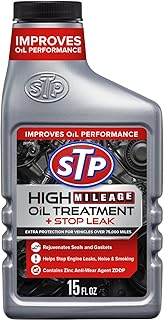
STP High Mileage Oil Treatment + Stop Leak is designed for vehicles with over 75,000 miles. It adds a high-viscosity cushion to reduce wear, includes ZDDP anti-wear additives, and helps seals and gaskets with a stop-leak function. This option is best for older, higher-mileage engines experiencing minor leaks or increased oil consumption. It should be used per oil-change intervals, but note that some engines may exhibit slight changes in oil thickness or consumption when treated.
Buying Guide: Key Considerations For Vintage Engine Oils
What engine type and era are you restoring?
Older engines vary in lubrication needs. Pre-1950s vehicles often benefit from low-detergent or mineral oils with high zinc. Post-war cars may tolerate multigrade formulations that provide protective film under higher temperatures.
Should you prioritize zinc (ZDDP) levels?
Many classic oils include high levels of zinc, molybdenum, and phosphorus for wear protection. If you have a gear-driven or flat-tappet engine, higher ZDDP can be beneficial. Some modern oils reduce zinc; match your choice to your engine’s requirements and restoration guidelines.
Detergents vs. non-detergent oils
Non-detergent oils are suitable for certain historic engines that rely on a simple oil film. Detergent oils help keep engines clean but can alter sludge dynamics in some vintage setups. Know your engine’s lubrication philosophy before choosing.
Film strength and temperature performance
Thicker oil films help protect moving parts under heavy use or high heat. However, too thick an oil can cause cold-start issues or drag. Select a grade appropriate for operating temperatures and climate.
Compatibility with gearboxes and additives
Some vintage cars use manual gearboxes with specific lubrication needs. Ensure the oil selected is appropriate for both engine and gearbox protection when applicable, or adhere to the manufacturer’s guidance for period-correct lubrication.
Maintenance implications
Oil type influences maintenance intervals and leak management. Oil treatments can help high-mileage engines, but always follow oil-change schedules and monitor seals for any changes in performance or leaks.
FAQ
- Is high zinc oil always better for classic engines? Not always. It depends on engine design and era. Some vintage engines benefit from higher anti-wear protection, while others may require non-detergent or monograde formulas.
- Can I mix these oils with modern engines? These products are targeted at classic or vintage designs. Mixing with modern engine oils is not advised for most restorations unless directed by an expert or restoration guideline.
- What is the advantage of a non-detergent oil? Non-detergent oils can suit certain historic engines that depend on minimal cleaning agents to preserve specific sludge or varnish characteristics.
- Should I use an oil treatment with my vintage engine? For high-mileage or leaky engines, oil treatments can help with seals and wear protection. Use as directed and ensure compatibility with your oil type.
- How often should I change vintage engine oil? Change intervals depend on usage, climate, and engine condition. Follow restoration guidelines or consult a vintage-car service professional for interval recommendations.
- Are these oils suitable for gearboxes? Some oils may offer gearbox compatibility, but confirm whether a specific product is intended for both engine and gearbox lubrication before use.