Looking for a reliable weld-on fuel filler neck to complete a custom fuel system? This guide highlights five top options designed for easy welding, compatibility with common pipe sizes, and solid venting or cap features. Ideal buyers include hot-rodders, dune buggy builders, drag racers, and anyone upgrading or fabricating a custom fuel system. Below you’ll find concise comparisons, clear best-use notes, and a quick buying table to help you choose.
| Product | Best For | Key Benefit |
|---|---|---|
| DNA MOTORING 45-Degree Fuel Cell Filler Neck | Custom tanks needing 45-degree routing | Raised neck with steel base for durability |
| Speedway Motors Steel Gas and Oil Tank Filler Neck | Universal weld-on for tanks | Direct weld-on design with twist-on vented cap |
| PQY 17-2530 Remote Fuel Tank Filler Neck | External filler mounting | Bracket included for outside-car mounting |
| YIGUCS OD 2″/50.8mm Aluminium Alloy Fuel Cap Weld On Filler Neck | Lightweight aluminum option | Corrosion resistance and compatibility with 2″ cap |
| INGCOOLING Weld On Fuel Tank Cap and Neck | Solid aluminum weld-on neck with cap | High-strength aluminum alloy, stable weld-on fit |
DNA MOTORING 45-Degree Fuel Cell Filler Neck

The DNA MOTORING filler neck offers a 1.5″ ID neck diameter with a 45-degree bend, making it ideal for tight engine bays or angled tank inlets. Best for builders needing a raised filler position and a steel base for durability. The aluminum cap reduces weight while maintaining a robust seal. This option suits performance cars and modified tanks that require precise routing and a strong mounting base.
Who it’s best for: Fabricators prioritizing a stronger base and a compact, angled fit. Caution: Ensure the 1.5″ ID matches your hose or cap connection to avoid clearance issues.
Allstar Performance ALL36161 Fill Plug Kit with Weld-in Steel Bung
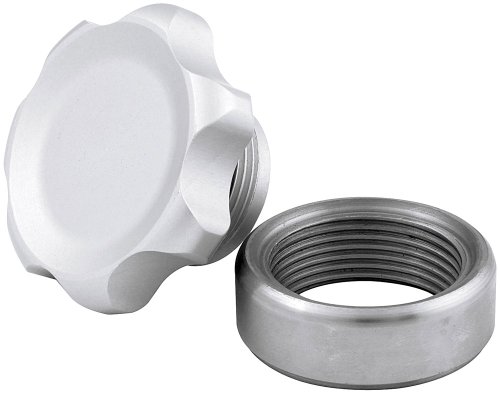
This kit focuses on fill plug applications with a weld-in steel bung. It’s best for builders who want a secure bung approach during a customization project or for retrofits where a dedicated fill inlet is fabricated. It’s a compact choice for small or specialty fuel setups and for vehicles where a plug-and-wung approach is preferred. Limitations include the need for precise fitment to your tank’s geometry.
YIGUCS OD 2″/50.8mm Aluminium Alloy Fuel Cap Weld On Filler Neck

This aluminum neck is designed to connect with a 2″ filler cap and provides corrosion resistance and durability. It’s suited for builders seeking a lighter weight option without sacrificing strength. Best for light- to mid-weight tanks where aluminum offers advantage in weight reduction. Caution: Confirm compatibility with the specific cap and threaded neck interfaces in your system.
Fuel Weld In Vented, 2-Inch Aluminum Bung

This 2-inch aluminum filler neck and cap are crafted for a weld-on installation with venting. It’s a solid pick for users who need a straightforward, robust welding solution with a vented cap. Best for performance builds that require reliable venting and a durable aluminum construction. Limitation: A precise 2″ inner diameter interface is required for perfect fit.
PQY 17-2530 Remote Fuel Tank Filler Neck

This remote filler neck is straight and designed for mounting outside the vehicle with a bracket included. It’s ideal for dune buggies, hot rods, and custom builds where the filler must be placed externally. Best for external filler configurations; choose this if you need easy access for refueling and simple hose connections. Caution: Ensure the bracket mounting position fits your vehicle’s exterior packaging.
Speedway Motors Steel Gas and Oil Tank Filler Neck

This weld-on steel neck is designed for universal tank applications, compatible with both fuel and oil tanks. It includes a vented twist-on cap for pressure relief. Best for builders seeking a universal, robust steel option with standard venting. Limitation: May require additional gasket or cap components for a leak-free seal in specific tank configurations.
INGCOOLING Weld On Fuel Tank Cap and Neck

This all-aluminum neck and cap combination is designed for durable weld-on installations. It’s best for builders prioritizing a corrosion-resistant, high-strength option with straightforward installation. Consider compatibility with your chosen cap type and thread interface to ensure a proper seal. Caution: Aluminum necks may require careful torque during welding to avoid warping.
Buying Guide: Key Considerations For Weld-On Fuel Filler Necks
- Material choice: Aluminum options reduce weight; steel necks offer rugged durability. Match material to your application and corrosive environment.
- Connection size: Common diameters include 1.5″ and 2″. Verify your filler hose, cap, or tank neck interfaces to prevent fit issues.
- Mounting geometry: 45-degree bends or straight designs affect routing in tight engine bays. Choose based on available space and tank orientation.
- Vent and cap design: Vented caps help relieve pressure; ensure your system’s venting aligns with your tank design and regulatory requirements.
- External vs. internal mounting: Remote or external fillers offer convenient refueling but require exterior mounting brackets and hose routing considerations.
- Welding compatibility: Confirm your chosen neck’s bung or insert design is compatible with your tank material (steel vs. aluminum) and welding method.
Frequently Asked Questions
- What is a weld-on fuel filler neck?
Answer: It is a neck piece welded directly to a fuel tank or tank shell to create a sealed refueling inlet. - Which material is better for high-performance builds—aluminum or steel?
Answer: Aluminum lowers weight and resists corrosion, while steel offers maximum strength for rugged tanks; the choice depends on application and environment. - Do I need a vented cap with a weld-on filler neck?
Answer: Venting caps help relieve internal tank pressure; verify if your system requires venting to prevent siphoning or pressure buildup. - How do I know the right neck diameter for my tank?
Answer: Measure the internal diameter of your tank opening or match the hose/connectors’ outer diameter to ensure a proper seal. - Can I install a weld-on filler neck myself?
Answer: Yes, if you have welding capability and follow proper safety practices; ensure a leak-free seal and correct alignment with the tank. - What maintenance is needed for weld-on necks?
Answer: Inspect for corrosion, verify seals, and replace any worn caps or gaskets as part of routine fuel-system maintenance.