Answer: For car use, choose compact, automotive-rated extinguishers with a reliable dry chemical formula. This guide compares five practical options, highlighting who each is best for and why. The focus is on ease of use, mounting compatibility, and performance in common vehicle fire scenarios. Ideal buyers include daily commuters, families with multiple vehicles, DIY enthusiasts, and small business fleets seeking reliable, ready-to-grab safety tools.
Summary of selected products
| Product | Best For | Size / Type | Notes |
|---|---|---|---|
| VICTORY Stainless Steel Fire Extinguisher 2.5lb | General car and home use; sleek chrome look | 2.5 lb ABC Dry Chemical | UL Listed; compact and stylish |
| Kidde Auto 10 Fire Extinguisher | Vehicles with higher fire risk; larger cabin spaces | 2.9 lb Dry Chemical (10-B:C) | Motor vehicle specific; versatile for small fires |
| MaxOut 5lb ABC Fire Extinguisher | Vehicles, boats, and outdoor gear; longer life | 5.0 lb Dry Chemical | UL Listed; includes mounting bracket |
| Kidde Auto 5 Fire Extinguisher | Smaller cars or tight spaces | 2 lb Dry Chemical (5-B:C) | Compact automotive extinguisher |
| Ougist Class K Fire Extinguisher | Kitchen or food-truck environments; grease fires | 1-A:K, 34 Fl oz Wet Chemical | Specialized for cooking oil fires; not for metal/ electrical |
VICTORY Stainless Steel Fire Extinguisher 2.5lb

Best for: Commuters seeking a stylish, unobtrusive option for car or home. The 2.5 lb ABC dry chemical formulation covers common electrical, fabric, and vehicle-fluid fires. Its stainless steel appearance blends with modern interiors, making it a practical desk-to-car solution. Selected for its UL listing and compact footprint. Limitation: Smaller capacity means more frequent checks if used heavily; ensure accessibility in an organized car kit.
Kidde Auto 10 Fire Extinguisher for Cars and Trucks
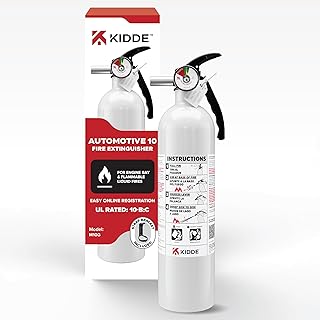
Best for: Vehicles with higher fire risk or larger cabins where a bigger extinguisher reduces the need for frequent replacement. The 10-B:C rating indicates capability across common vehicle fires, including electrical and small liquid fires. This model suits family cars and fleets that require more protection in a single unit. Caution: Larger size may be harder to reach in tight spots; consider placement planning in your glove compartment or under-seat area.
MaxOut 5lb ABC Fire Extinguisher

Best for: Vehicle, marine, and home use where a larger capacity is desired without stepping up to industrial sizes. The 5.0 lb dry chemical formulation offers broad coverage for electrical, liquid, and combustible fires. Selected for its mounting bracket inclusion and UL listing, which supports easy car installation. Limitation: Heavier than smaller units; ensure mounting and reach are appropriate for your vehicle layout.
Kidde Auto 5 Fire Extinguisher for Cars and Trucks

Best for: Smaller vehicles or where space is at a premium. The 2 lb dry chemical unit offers the essential automotive protection in a compact form. Suitable for quick grab-and-go use in tight dashboards or under-seat compartments. Better for: users who want a lightweight option without sacrificing basic fire suppression capabilities. Caution: Lower capacity means more frequent checks and potential replacement after use.
Ougist Class K Fire Extinguisher

Best for: Kitchen or food-truck environments where grease fires are a primary risk. Class K wet chemical extinguishers are designed to saponify fats and oils for safer cleaning and reduced flare-ups. Selected for its quick-pull access and ease of use in busy kitchens. Limitation: Not suitable for general vehicle fires or electrical fires; use in kitchen-safe areas only.
Buying Guide
- What size is appropriate for a car? Consider a 2–5 lb extinguisher for easy handling and storage. Heavier units may offer more capacity but are harder to maneuver in a small vehicle cabin.
- What extinguishing agent should I choose? Dry chemical ABC extinguishers cover electrical, liquids, and solids; Class K is specialized for cooking oils. For most cars, ABC is a solid all-around choice.
- Where should I mount it? Place it in an accessible location within reach of the driver or passenger seat, ensuring it’s secured and not in a way that blocks controls or emergency exits.
- How many extinguishers do I need? One properly placed unit per vehicle typically suffices for personal use; larger fleets may require additional units in strategic spots.
- What about maintenance? Check the pressure gauge monthly and inspect for corrosion or damage. Replace after any use or if the unit shows signs of wear.
- Is aesthetic important? Stainless or chrome finishes can blend with interiors, but functionality should be the priority. Ensure visibility does not impede safety or legality.
Frequently Asked Questions
- Q: Do car extinguishers require annual inspections? A: Many units are UL-listed and should be visually inspected regularly; follow manufacturer guidelines for service intervals.
- Q: Can I install an extinguisher myself? A: Yes, with proper mounting brackets and secure positioning to avoid interference with seat belts or airbags.
- Q: Which extinguisher is best for a family vehicle? A: A compact ABC dry chemical extinguisher (2–5 lb) balances ease of use with broad fire coverage.
- Q: Are there legal requirements for extinguishers in cars? A: Requirements vary by state; check local traffic safety regulations for vehicle safety gear.
- Q: How long do extinguishers last? A: Most have a 5–12 year rated service life; verify the expiration date on the label and replace as needed.
- Q: Should I buy multiple extinguishers? A: If you have a larger vehicle fleet or multi-vehicle home, additional units may improve response time in a fire.