If you’re painting brake calipers, you want a finish that endures heat, resists chips, and keeps its gloss. This guide highlights five top black caliper paints that perform in harsh automotive environments. Each option suits different DIY levels and durability needs, helping you pick the right product for your project. The top picks are best for hobbyists, professional restorers, and owners who want a long-lasting, showroom-worthy black finish.
| Product | Best For | Key Benefit |
|---|---|---|
| VHT Caliper Paint, Satin, Black | Entry-level DIYers | Heat resistance up to 900°F; fast-drying |
| Dupli-Color Caliper Aerosol, Gloss, Black | Spray-on convenience | Durable enamel; chip and chemical resistant |
| G2 High Temperature Brake Caliper Paint Kit | Professional-grade results | Heat resistance up to 980°F; ultra-durable epoxy |
| SENVEN Black Caliper Paint (12 oz) | High-temperature durability | Extreme durability; high-gloss finish |
| SENVEN Black Caliper Paint (1.5 oz) | Touch-up small areas | Excellent heat resistance; precise application |
VHT Caliper Paint, Satin, Black

This satin finish is best for buyers seeking a balanced, non-glossy look with strong heat resistance. Best for DIYers who want an easier-to-care-for surface that still looks refined. It’s especially suitable for those prioritizing a durable, chemical- and brake dust-resistant coating that dries quickly.
Why selected: The formulation includes ceramic resins, offering heat resistance up to 900°F and protection against chipping and chemicals. It provides a durable, smooth finish without an overly shiny appearance.
Caution: Satin finishes can show imperfections more readily on uneven surfaces; follow surface prep instructions closely for best results.
Dupli-Color Caliper Aerosol Paint, Gloss, Black

This gloss black option is ideal for quick, uniform application with minimal masking. It’s better suited for buyers who want a bold, high-contrast appearance that’s easy to wipe clean and maintain. The durable enamel finish helps resist cracking and chipping.
Why selected: The enamel coating emphasizes chemical and chip resistance, helping it endure brake dust and road debris while maintaining a sleek gloss finish. It’s a strong all-around choice for visible calipers.
Caution: Spray coatings can require careful masking to avoid over-spray on neighboring components.
G2 High Temperature Brake Caliper Paint Kit
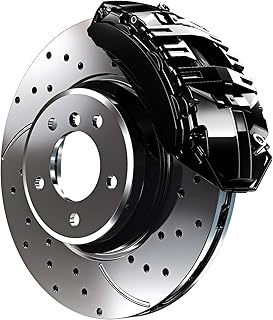
Best for: professionals and ambitious DIYers seeking top-tier durability and a high-gloss look. This kit is designed to endure higher heat and resist wear over time. It dries hard and maintains color without fading or flaking.
Why selected: The epoxy paint system withstands up to 980°F and provides strong chemical and physical protection against fluids, salt, and debris. The high-gloss finish offers a polished, professional appearance that lasts.
Caution: This is a brush-on system; precise application skill improves results, especially in tight caliper areas.
SENVEN Black Caliper Paint (12 fl. oz)

Best for buyers wanting a robust, high-temperature epoxy system with a glossy finish. This kit provides durable protection against brake fluids and environmental factors, suited for maintenance or full caliper repaint projects.
Why selected: With heat resistance up to 980°F, it offers superior wear resistance and a protective layer that remains vibrant under stress. The brush-on format can yield smoother finishes for some hands-on users.
Caution: Larger volume may be more than needed for small projects; ensure proper masking and ventilation during use.
SENVEN Black Caliper Paint (1.5 oz)

Best for touch-ups and small repairs on black calipers. The compact size allows precise control for corners and edges that are prone to chips. Ideal for ongoing maintenance between full repaint cycles.
Why selected: The epoxy system delivers heat and wear resistance up to 980°F, with a high-gloss finish that matches larger cans. The brush-on method minimizes waste and improves accuracy.
Caution: Smaller tubes can run out quickly on larger caliper assemblies; plan accordingly for the project size.
Buying Guide: Key Considerations For Caliper Paint
What finish do you want? Gloss finishes are easier to wipe clean and show a bold look, while satin offers a subtler, maintenance-friendly appearance. Consider how the finish will complement your vehicle’s style and the level of cleaning you perform.
How hot will your brakes get? Select a product with heat resistance aligned to your driving conditions. For high-performance two-wheelers or heavy-use vehicles, opt for epoxy or ceramic-based formulas rated above 900°F.
Brush-on vs. spray: Brush-on kits (like G2 and SENVEN) give precise control and better coverage in tight spaces but require steady hands. Spray cans are faster for larger areas but demand careful masking to avoid overspray.
Durability under brake dust and chemicals: Look for chemical resistance and protection against brake dust, road salt, and solvents. A tougher formula reduces the need for frequent repainting.
Ease of maintenance: Consider whether you want a surface that’s easy to wipe down or one that requires occasional polishing to maintain gloss.
Application level and skill: Some kits are forgiving for beginners, while others expect more precise handling. If you’re new to caliper painting, a brush-on epoxy with clear prep steps is a safer choice.
FAQ: Quick Answers For Caliper Painting
- Which finish lasts longer on calipers, gloss or satin? Gloss finishes typically appear more durable and easier to wipe, while satin hides minor imperfections better and can require less frequent polishing.
- Is spray paint better for calipers than brush-on paint? Spray offers quick coverage, but brush-on epoxy systems often deliver tougher, longer-lasting protection with less risk of runs in tight areas.
- Can I just repaint calipers without removing them? It’s possible on some vehicles, but removing calipers and masking surrounding components reduces risk of overspray and ensures even coverage.
- What temperature range matters most for caliper paint? Choose a product rated for at least 900°F to 980°F to withstand typical braking heat and avoid bubble or fade.
- Do I need a clear coat after caliper paint? A clear coat can add extra UV protection and sheen retention, but many epoxy or ceramic paints don’t require it for basic durability.
- How long should I let the paint cure before driving? Follow the product’s cure times; most require at least 24 hours before driving in normal conditions, longer for high-heat use.