Looking for the best tilt sensor or vibration alarm to protect your vehicle? This guide highlights five reliable options, each best for a different need—from everyday cars to RVs and trucks. Ideal buyers include daily drivers seeking low-false-alarm sensors, weekend travelers needing strong audible deterrents, and fleet owners requiring easy remote access and clear visibility.
Summary comparison of chosen products:
| Product | Best For | Key Benefit | Limitations |
|---|---|---|---|
| 108dB Car Alarm System (LNKERCO) | Daily drivers needing strong dual alerts | 108dB alarm with red light and anti-theft modes | Manual volume levels may vary by vehicle |
| Upgraded 115dB Car Alarm System (ELECTOP) | Night/parking lot thieves deterrence | 115dB alarm with LED strobe and AI accuracy | May require wiring for optimal performance |
| Ring Car Tracker and Alarm | Owners seeking location tracking and alerts | Real-time alerts and no monthly fees | Requires Ring ecosystem for best use |
| Shock Tilt Sensor FT-Shock-II | Professional installs and integration | Dual stage shock + tilt sensing | Requires professional installation |
| Electop 120dB Alarm System | High-visibility deterrence | 120dB siren + ring-shaped strobe | May be more complex to set up |
Note: All products are chosen for clear feature sets and transferable benefits. The best pick depends on your vehicle type, parking environment, and preference for audible alerts versus location tracking.
108dB Car Alarm System With Red Light

Best for: daily drivers who want strong, adjustable audible alerts with a visible deterrent. The 108dB alarm combines a three-dimensional vibration sensor with AI-enhanced detection to minimize false alarms. It also offers a red warning light to deter thieves at a glance and a simulated dummy light as a further notice when arming.
Why selected: This device emphasizes a dual alarm mode—audible and visual—making it suitable for neighborhoods, campus lots, and high-traffic areas where attention matters. The three-level volume allows tailoring to parking conditions, reducing nuisance alerts while maintaining security.
Limitation: Some users may prefer integrated remote features beyond arming and disarming; check compatibility with existing remotes if upgrading a current system.
Upgraded 115dB Car Alarm System

Best for: drivers who park in outdoor lots or quiet streets and want a clear, attention-grabbing deterrent at night. This model combines a 115dB alarm with a bright LED strobe and AI-enhanced detection to differentiate between routine bumps and actual threats.
Why selected: The 4-key remote simplifies operation for seniors, busy commuters, or frequent parkers. The full alarm and strobe engage when a real threat is detected, providing a robust, visible warning to bystanders and thieves alike.
Limitation: Higher sensitivity means more careful placement is needed to avoid nuisance alarms in windy or vibrating environments.
Ring Sensors: Car Tracker and Alarm
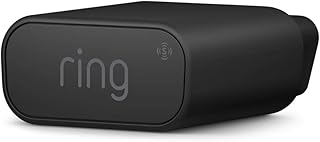
Best for: vehicle owners who want real-time location tracking alongside impact and disturbance alerts. The Ring system uses the Ring app to show vehicle position on a map with periodic updates and does not require monthly service fees for basic tracking.
Why selected: Real-time location awareness complements movement-triggered alerts, enabling quick actions if the vehicle is moved or tampered with while parked.
Limitation: Location accuracy depends on network conditions and Ring app setup; no ongoing fees does not guarantee absolute coverage in all areas.
Shock Tilt Sensor FT-Shock-II

Best for: professional installers or enthusiasts integrating with existing alarms or remote starts. This dual-stage sensor detects both shocks and tilt, adding nuance to the security profile of a vehicle.
Why selected: The combination of tilt and shock sensing helps identify movement patterns that indicate forced entry or towing, providing a broader detection envelope for secure vehicles.
Limitation: Requires professional installation to ensure compatibility and reliable wiring with the host alarm system.
Electop 120dB Car Alarm System

Best for: owners seeking maximum deterrence with a bright, eye-catching display. The system features a dual-alert setup with a 120dB siren and a high-intensity red strobe for maximum visibility.
Why selected: The upgraded ring-shaped strobe design offers 360-degree illumination, increasing the chance that nearby people notice intrusion attempts, potentially deterring thieves more effectively than single-point lights.
Limitation: More powerful alerts require careful placement to avoid false alarms from high-wind environments or nearby disturbances that mimic tampering.
Buying Guide: Key Considerations For Tilt Sensor Car Alarms
- Alarm intensity vs. nuisance alarms: Higher dB levels deter better but can cause false alarms in busy areas. Look for AI-based detection to minimize false positives.
- Visual deterrence: Red LED strobes and flashing lights increase visibility. Consider placement that maximizes coverage without blinding nearby drivers.
- Remote operation: If you need easy arming and disarming, prioritize models with intuitive remotes or app integration. Check remote range and ease of use.
- Tracking integration: For added security, choose systems that offer real-time location updates or work with a separate loss-prevention ecosystem.
- Installation: Some systems require professional installation, particularly those with dual sensors or remote-start compatibility. Evaluate your DIY capability.
- Compatibility: Ensure the alarm can integrate with your vehicle’s existing electrical system, remote starts, or aftermarket accessories.
- Environment suitability: Outdoor parking, urban streets, and rural driveways each benefit from different combinations of audible alerts and visibility.
Frequently Asked Questions
- What is a tilt sensor in a car alarm?
A tilt sensor detects changes in the vehicle’s angle or orientation, providing security against towing or lifting attempts in addition to traditional vibration detection.
- Do car alarms require professional installation?
Some models are plug-and-play, while others, especially those with remote starts or dual-sensor setups, may require professional installation for optimal performance.
- How loud should a car alarm be?
Most effective alarms range from 108dB to 120dB. Higher volume increases deterrence but may annoy neighbors; balance with the environment and local rules.
- Is there a monthly fee for car-tracking alarms?
Some systems offer no monthly fees for basic tracking, but advanced features may require subscriptions or linked ecosystems.
- Can I use multiple alarms on one vehicle?
Yes, but compatibility with the vehicle’s electrical system and potential interference should be considered. Professional advice is recommended for complex setups.
- What should I consider when choosing between LED strobe and siren alone?
LED strobes improve visibility in daylight and at distance, while sirens provide immediate deterrence. For high-risk areas, a combination is often most effective.